REVIEW · ZANZIBAR CITY
Village Tour With Witch Doctor Visit
Book on Viator →Operated by Zanzibar Local Experience · Bookable on Viator
A village visit beats another beach day. You’ll see day-to-day Zanzibar life in Jambiani, meet real community helpers, and learn hands-on skills like making rope from coconut husks. I especially like the women’s handicraft group stop and the visit to a local witch doctor who works with natural remedies. One thing to consider: this is a working community tour, so it’s not a staged show, and the vibe is more practical than polished.
You start early and spend about 6 hours in an air-conditioned vehicle with stops across the village. You’ll get lunch included with no extra charge, plus bottled water to keep you comfortable. The possible drawback is simple: you’ll be walking and moving between places, so wear shoes you’re fine getting dusty or wet.
In This Review
- Key things you should know before you go
- Why this Jambiani village tour feels different from typical Zanzibar trips
- A private format that helps your day run smoothly
- Jambiani stop: women’s handicrafts, seaweed harvesting, school, and hospital
- Women’s handicraft collective: skill, work, and local creativity
- Seaweed farming/harvesting: practical coastal work
- School and hospital visits: a reality check that gives perspective
- Rope from coconut husk fibers: the hands-on skill stop
- What to watch for during the demonstration
- Visiting the witch doctor: natural medicine, questions, and respectful curiosity
- Why this stop ranks highly for many visitors
- Lunch and water: small inclusions that change how the day feels
- Why the included lunch matters
- AC transport helps you focus
- Meet-the-people energy: guides you can actually talk to
- How to get better value from a guide
- Price and value: is $96 worth it?
- Who the price makes most sense for
- Logistics that affect your experience (without making it complicated)
- Tips to make the day smoother and more respectful
- Wear for movement
- Bring a question list
- Be mindful during school and hospital visits
- Should you book this tour?
- FAQ
- What’s included in the tour price?
- How long is the Village Tour With Witch Doctor Visit?
- Is it a private tour or a group tour?
- What time does the tour start?
- Where does the tour take place?
- Can I cancel for a full refund?
- Is the tour suitable for most travelers and are service animals allowed?
Key things you should know before you go

- Jambiani village focus: You’re not just driving past sights; you’re visiting homes and community spaces tied to daily work.
- Hands-on coconut rope-making: A local lady shows the process using coconut husk fibers.
- Community stops beyond crafts: You’ll see a local school and a hospital, not just market-type activities.
- Natural medicine visit: You can ask questions during a working healer session using traditional remedies.
- Included comfort items: Lunch and bottled water are part of the day, and transport is air-conditioned.
Why this Jambiani village tour feels different from typical Zanzibar trips
Zanzibar City is easy to base yourself in, but village life is where you start understanding what people actually do when tourists aren’t around. This tour is built around that idea: you’ll visit several parts of the community in one morning, with time to ask questions as you move.
I like that it’s not only about pretty crafts. You also see seaweed harvesting/farming, then you connect that work to everyday life by visiting local spaces like a school and hospital. It makes the day feel grounded and practical, not like a checklist of landmarks.
You can also read our reviews of more tours and experiences in Zanzibar City.



A private format that helps your day run smoothly
This is a private tour for only your group, which usually means less waiting around and more flexibility when your guide explains something that catches your attention. You’ll have a local guide with you the whole time, and the itinerary is organized around meaningful stops rather than quick photo stops.
Jambiani stop: women’s handicrafts, seaweed harvesting, school, and hospital

Your day runs through Jambiani, and the first cluster of visits is where you’ll get the clearest sense of daily rhythm.
Women’s handicraft collective: skill, work, and local creativity
You’ll visit a women’s handicraft group as part of the village experience. This is usually where you see both the product and the effort behind it. Instead of only looking at finished items, you get context on how the work fits into life at home.
What you’ll want to bring to this stop is a patient attitude. Crafts work slowly, and the point here isn’t to speed through—it’s to understand the process and why the group’s work matters.
Seaweed farming/harvesting: practical coastal work
Next comes seaweed harvesting/farming. It’s one of those Zanzibar topics that’s often mentioned in passing, but here you’ll actually see it as a real job tied to local routines. Even if you don’t know anything going in, your guide’s explanations make it easier to connect what you’re seeing with why it’s important to livelihoods.
If you’re the type who likes learning how places sustain themselves, this segment is a strong payoff.


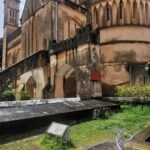
School and hospital visits: a reality check that gives perspective
After the craft and seaweed work, you’ll visit a local school and a hospital. These stops can be emotionally heavier than a beach or market visit, but they add real perspective. A tour like this helps you notice what people rely on and how community institutions function in daily life.
One consideration: these are active community spaces. Keep your questions respectful, keep your movements calm, and remember this isn’t a sightseeing museum.
Rope from coconut husk fibers: the hands-on skill stop
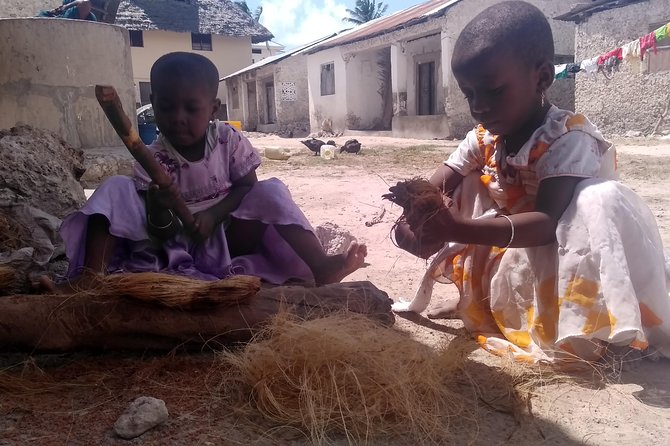
Later in the morning, your guide takes you to a lady who demonstrates how rope is made from coconut husk fibers. This is the kind of stop you’ll remember because it’s tangible and specific.
Instead of just explaining the idea, you’ll watch the process and see how natural materials get turned into something useful. It also helps you connect the coastal environment to everyday tools—Jambiani’s “raw material” is right there, and the skill is in transforming it.
What to watch for during the demonstration
Pay attention to three things:
- how the husk fibers are handled and prepared
- how the materials are worked into rope form
- how much patience and hand skill it takes
If you enjoy learning crafts, this portion is one of the most satisfying parts of the day.
Visiting the witch doctor: natural medicine, questions, and respectful curiosity
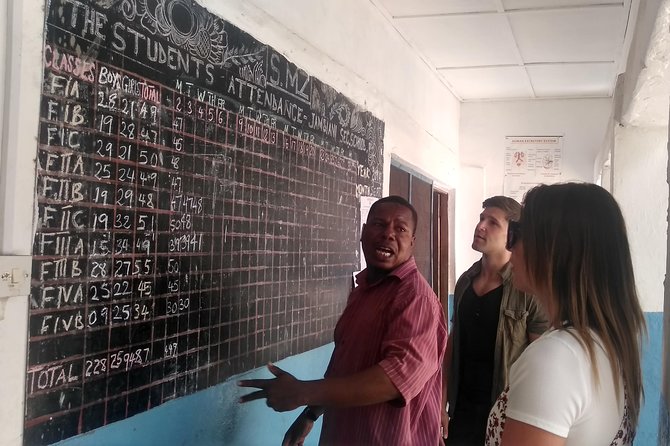
The tour includes a visit to a local traditional healer, often described as a witch doctor in the tour framing. The key point: he is versed in natural medicine and he’s still working and helping people.
This stop can be fascinating, but treat it as a conversation, not a performance. Your guide helps you understand the context, and you’ll likely have the chance to ask questions. The focus is on traditional remedy knowledge, not medical tourism.
Why this stop ranks highly for many visitors
Many people rate this segment as a standout because it feels real and current. The healer isn’t just a story used for tourism—he’s described as actively helping people. That makes the interaction more grounded than a purely cultural “show.”
One practical thought: if you’re sensitive about health topics or you don’t like discussions involving illness and remedies, you might want to pace your questions and keep expectations realistic.
Lunch and water: small inclusions that change how the day feels
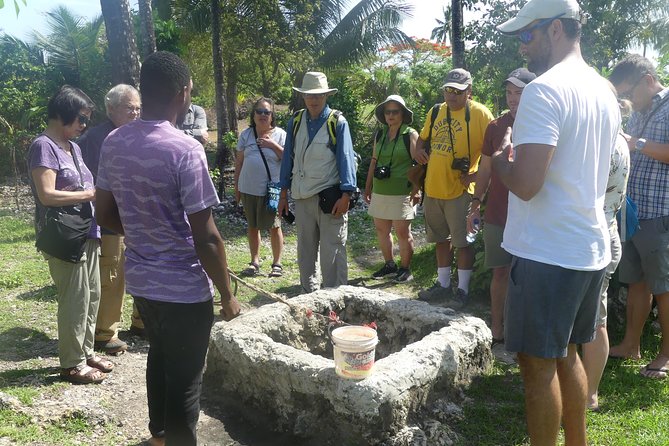
A village day can either be exhausting or enjoyable depending on how it’s managed. Here, lunch is served at no extra charge, and bottled water is provided for hydration.
Why the included lunch matters
When lunch is included, it removes a major stress point. You don’t have to hunt for food, negotiate prices, or guess whether you’ll find something you can eat. In a tour that runs about six hours, that’s a big deal.
Also, if you care about authenticity, you may find that the meal style feels more like what people actually eat than the “tourist plate” you might expect.
AC transport helps you focus
The tour includes travel in an air-conditioned vehicle. That sounds like a comfort detail, but it changes your energy for the day. You’ll likely have some time riding between areas, and air-conditioned transport makes the whole schedule easier to handle.
Meet-the-people energy: guides you can actually talk to
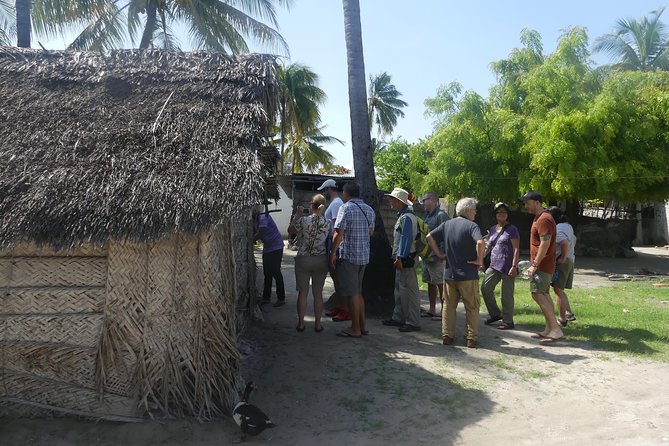
The people running the experience are as important as the stops. Your guide is local and understands how to connect the dots between what you’re seeing and what it means.
Guides named in the experience include Abdul, and there’s also mention of conductors/drivers such as Zahran and Abdulkarm in people’s accounts of the day. One reviewer noted that Abdul lives in the village, which can make explanations feel less like scripted answers and more like real community knowledge.
How to get better value from a guide
Use your time well:
- ask what a specific craft or job is used for
- ask what a school or hospital visit looks like from a local perspective
- ask what people want visitors to understand
A good guide doesn’t just show you; they help you read what you’re seeing.
Price and value: is $96 worth it?

At $96 per person for a tour around six hours, the value depends on what you want out of Zanzibar.
Here’s what you’re getting in plain terms:
- Private tour for your group
- Air-conditioned vehicle transport
- Women’s handicrafts visit
- Seaweed harvesting/farming visit
- Coconut husk rope-making demonstration
- Visits to a local school and hospital
- Witch doctor visit focused on natural medicine
- Lunch included at no extra charge
- Bottled water included
- Admission ticket is free
When you line up all those elements, the price starts to make sense as a full-day community access package rather than a single-site activity. It’s not the cheapest option, but it’s built to justify the cost through included food, transport comfort, and multiple meaningful stops.
Who the price makes most sense for
This tour is strongest if you:
- want authentic community access
- like learning skills and daily work
- prefer guided context over wandering
- don’t want to manage food and logistics while moving around
If you’re only looking for a short photo stop or you hate walking between sites, you may find better value elsewhere.
Logistics that affect your experience (without making it complicated)
You’ll start at 8:00 am, which helps you get into the village while the day is still fresh. The tour runs about 6 hours total. You’ll be in an air-conditioned vehicle, so long transfer time isn’t as uncomfortable as it could be.
Pickup is offered, and the experience uses a mobile ticket. If you’re staying in or near Zanzibar City, it’s designed to be straightforward to link with your morning plans.
One detail that matters: this is a private tour, so your schedule is tied to your group. It’s usually easier than group tours, but it also means you should be ready at the start time.
Tips to make the day smoother and more respectful
This kind of tour goes best when you come with a few good habits.
Wear for movement
Choose comfortable shoes. You’ll likely walk between village stops and around demonstration areas. It’s a working setting, not a carpeted attraction.
Bring a question list
Your guide can explain things clearly, but you’ll get more out of the day if you ask things that match your interests:
- How does the handicraft group organize work?
- What role does seaweed farming play locally?
- How does rope-making fit into daily needs?
- What is natural medicine used for, and how is knowledge passed along?
Be mindful during school and hospital visits
These stops are part of daily community life. Keep your voice level, follow your guide’s cues, and take photos only if it’s clearly appropriate where you are.
Should you book this tour?
I’d book this tour if you want a Zanzibar experience that feels like it belongs to the people who live there. The mix of women’s crafts, seaweed work, school and hospital visits, coconut rope-making, and the natural healer makes it more than a simple cultural stop—it’s a full day of understanding daily life through multiple angles.
Skip it if you want a relaxed, minimal-effort day or if you strongly prefer “sit and view” tourism. This is a hands-on, community-forward schedule, and it asks you to be present.
If you’re on the fence, use this rule: if you’re excited to learn how people live and work—book it. If you’re mostly there for beaches and scenery, consider a different option.
FAQ
What’s included in the tour price?
The price includes lunch, free bottled water, air-conditioned transport, and the visits during the tour (including an admission ticket that’s listed as free).
How long is the Village Tour With Witch Doctor Visit?
The duration is listed as about 6 hours.
Is it a private tour or a group tour?
It’s a private tour/activity. Only your group participates.
What time does the tour start?
The start time is 8:00 am.
Where does the tour take place?
The tour focuses on Jambiani (near Zanzibar City, Tanzania) and includes multiple stops within the village area.
Can I cancel for a full refund?
Yes, free cancellation is offered. You can cancel up to 24 hours in advance for a full refund.
Is the tour suitable for most travelers and are service animals allowed?
Service animals are allowed, and the information provided says most travelers can participate.