REVIEW · ZANZIBAR
Stone Town Tour
Book on Viator →Operated by Nouman Tour Guide · Bookable on Viator
Stone Town feels like a living history lesson. This private walk in Zanzibar hits the Old Fort and the Anglican Cathedral/slave-trade site with included entry, while your guide helps you read what you’re looking at instead of just following a crowd.
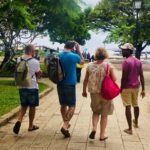
What I like most is the combo of good structure and personal attention. It’s private, so even if you’re solo you’re not dodging strangers in tight lanes, and you can take breaks for photos and questions without feeling rushed.
One thing to consider: this is a warm-weather walking route. If you’re caught in a very hot day, you may find the experience a bit less energetic, so plan for shade stops and go at your pace.
In This Review
- Key things I’d plan around
- Stone Town in 2–3 Hours: what this private walk covers
- Price and what $25 includes (and what doesn’t)
- Meeting point and pickup: the practical way to start
- Your guide matters: pace, safety, and real explanations
- Stop-by-stop: Old Fort to Anglican Cathedral
- Stop 1: Old Fort (Ngome Kongwe)
- Stop 2: Anglican Cathedral and the slave-trade site
- Freddie Mercury Museum: see the house, then choose your ticket
- Darajani Bazaar and the market feel you can’t copy
- Stop 4: Darajani Bazaar
- House of Wonders (Beit-el-Ajaib) and the story behind the name
- Stop 5: House of Wonders (Beit-el-Ajaib)
- Forodhani, Zanzibar Doors, and Stone Town panorama
- Stop 6: Forodhani, Zanzibar Doors, and views
- Weather, heat, and how to get the most out of the walk
- Who should book this Stone Town tour (and who might want something else)
- Should you book the Stone Town Tour?
- FAQ
- How long is the Stone Town Tour?
- How much does the Stone Town Tour cost?
- Is this a private tour?
- What is included in the price?
- Is the Freddie Mercury Museum ticket included?
- Where does the tour start and end?
Key things I’d plan around
- Old Fort included: entry is part of the tour, not an extra ticket you have to hunt down.
- Anglican Cathedral + slave-trade context: you’ll spend real time at the site and talk through what happened there.
- Freddie Mercury Museum is extra: you’ll see the area and can go inside, but the ticket isn’t included.
- Darajani Bazaar stop: you get a look at everyday Zanzibar commerce—spice, fish, fruit, meat.
- House of Wonders (Beit-el-Ajaib): a major stop tied to the Sultan’s era and the story behind the name.
- Forodhani + Zanzibar Doors + panorama: the finish gives you classic Stone Town visuals and a viewpoint.
Stone Town in 2–3 Hours: what this private walk covers

This is a short, focused half-day tour built for people who want Stone Town highlights without spending the whole day stuck in planning mode. Expect about 2 to 3 hours of walking, mostly in and around the old-town core, with hotel pickup and drop-off to reduce hassle.
Your day follows a clear route: you start with the Old Fort (Ngome Kongwe), then move through major landmark stops tied to Zanzibar’s maritime and cultural past. Later you’ll hit the busy market area and finish with waterfront atmosphere and viewpoints that make the whole layout click.
Because it’s private, the flow is flexible. Your guide can slow down where you want more time—shops, photos, or specific questions—then keep things moving so you still see the big sights.
You can also read our reviews of more tours and experiences in Zanzibar.



Price and what $25 includes (and what doesn’t)

At $25 per person, the value is in what you don’t have to add later. The tour includes bottled water, plus entrance fees for the Old Fort and the slave-trade site tied to the Anglican Cathedral.
That matters because those are the two places where ticketing and timing can otherwise slow you down. When entry is included, you can move through them with less waiting and fewer logistics headaches.
The main “watch this” is the Freddie Mercury Museum stop. You’ll be able to see the house area and visit inside if you want, but the admission ticket isn’t included. If you care about the museum itself, plan a little extra budget for that on top of the $25.
Also note what’s not included: taxi costs and personal expenses. If your hotel pickup is convenient, you may not need extra transport during the tour, but you’ll still want to cover your own meals afterward.
Meeting point and pickup: the practical way to start
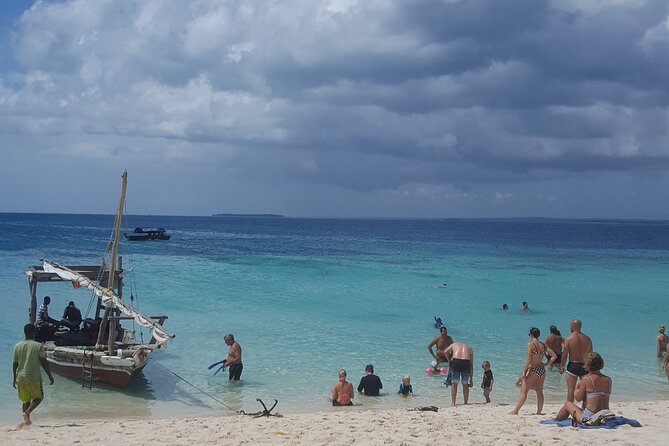
You’ll meet at the Cape Town Fish Market Restaurant near Forodhani in Stone Town, and the tour ends back at the same meeting spot. That location is handy because it puts you near the action you’ll be seeing later—waterfront views, the old-town core, and the market atmosphere.
If your hotel is in Zanzibar’s Stone Town area, pickup and drop-off is meant to save you from figuring out who to call and where to stand with a confusing street layout. You also get a mobile ticket, which is useful when you’re on the move and don’t want to manage paperwork.
The route is close to public transportation, but in practice you’ll mainly rely on your guide and the tour timing.
Your guide matters: pace, safety, and real explanations

This is where the tour earns its strong reputation. The guide is a key part of the experience, not an afterthought. In past experiences, people have praised guides like Nouman for being friendly, patient, and very willing to go at an easy pace—even when it’s hot.
For a solo traveler, that “I feel safe walking with someone who knows the streets” feeling is huge. Stone Town lanes can feel confusing fast, and having a guide who can steer you around the most direct walking lines saves both time and mental energy.
You’ll also notice that the best guidance here isn’t just trivia. Guides tend to connect the landmark to what it meant in real life—who used it, what the buildings were for, and how the story shapes what you see today.
If you like taking photos, plan on having the time to do it. Several guests mentioned being allowed to pause, ask questions, and get pictures without being pushed along like a checklist.
Stop-by-stop: Old Fort to Anglican Cathedral






Stop 1: Old Fort (Ngome Kongwe)
You start at the Old Fort (Ngome Kongwe) with included entry. The attraction here is twofold: the fort itself and the way it helps you understand Stone Town’s strategic position.
Your guide provides detailed context about how the fort building developed and what you’re looking at as you move through the site. There’s also an eye-level sense of the surroundings—described as a great view—so you can connect the architecture to the landscape.
Practical note: this is one of the stops where you’ll want your attention. When the explanation clicks, the rest of Stone Town starts to feel like it’s connected instead of separate attractions.
Stop 2: Anglican Cathedral and the slave-trade site
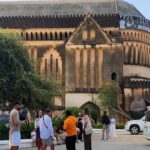
Next up is the oldest Anglican church building area linked to the slave market. This stop is set up for reflection and context. Your guide explains what happened at this historic site and helps you understand the realities of African slavery and how that system shaped Zanzibar.
This is the stop that can hit hardest. Some visitors describe it as overwhelmingly sad. If that kind of history affects you deeply, give yourself a moment to slow down, ask questions if you want, and don’t feel pressured to rush through.
The upside is that you don’t get a one-minute photo stop. You’ll spend time here and receive context tied directly to what the site represents.
Freddie Mercury Museum: see the house, then choose your ticket

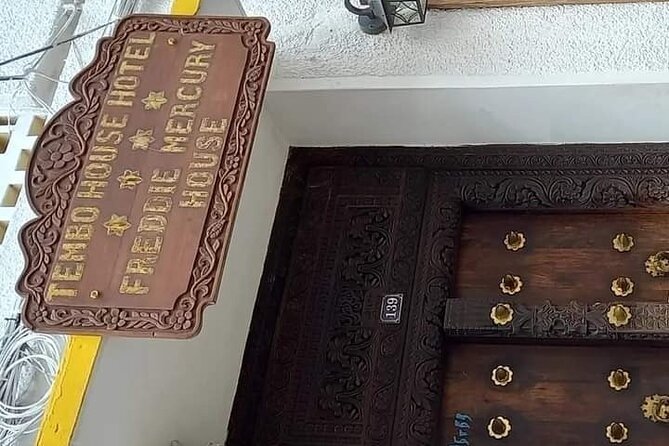
After the heavier history, you’ll get a more pop-culture moment with the Freddie Mercury Museum stop. The tour takes you by Freddy Mercury’s house, where he was born, and your guide shares background so the visit isn’t just a quick glance.
You’ll also have the chance to go inside the museum. The catch: admission isn’t included, so you’ll pay that ticket separately if you want the full visit.
This stop works especially well if you’re the type who likes your travel stories with a mix—global music history next to local Stone Town street life. If you’re not a fan of the museum, you can treat this as a quick landmark moment and focus your time on the markets and forts later in the route.
Darajani Bazaar and the market feel you can’t copy

Stop 4: Darajani Bazaar
You’ll head into Darajani Bazaar, one of the older market areas in Stone Town. Here the tour shifts from landmark architecture to daily life—what people sell and how the streets function.
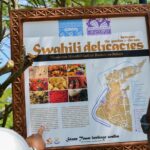
Your guide walks you through the market and gives you the story behind it. You’ll see items like spice, fish, fruits, and meat, which helps you understand why Zanzibar became such an important trade hub over time.
This stop is valuable because it brings you out of “tourist Stone Town” mode and into “people live here” mode. Even if you don’t shop, it helps you learn how the city’s economy shows up in everyday sight and smell.
If you do want to buy things, keep your pace slow. Markets can move fast, and you don’t want to feel rushed. A good guide makes it easier to ask questions and figure out what’s worth your money.
House of Wonders (Beit-el-Ajaib) and the story behind the name
Stop 5: House of Wonders (Beit-el-Ajaib)
The House of Wonders (Beit-el-Ajaib) is a major highlight. Your guide takes you to the building and explains its role as a Sultan’s house, plus why it became known as the House of Wonders.
This is one of those stops where explanation changes the whole experience. Instead of just seeing an old structure, you understand what it likely represented politically and socially in its time.
The building also helps you connect earlier stops to what came later: Zanzibar’s power wasn’t only about trade routes and forts—it also shaped how rulers built spaces to project status.
Forodhani, Zanzibar Doors, and Stone Town panorama
Stop 6: Forodhani, Zanzibar Doors, and views
The final part is designed to make Stone Town feel visual. You’ll head toward Forodhani Gardens, an area known for its night-time market atmosphere, then continue through central old-town streets.
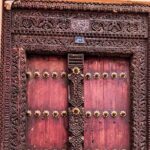
Your guide points out classic features like Zanzibar Doors—ornate doors that are a signature of Stone Town’s architecture. These are the kinds of details you can easily miss if you’re walking without guidance, because they’re tucked into everyday building fronts rather than standing alone as monuments.
From there, you finish with a Stone Town panorama—a viewpoint that gives you the big-picture layout. This ending is smart because it turns a scattered walk into a connected mental map.
It also gives you photos you’ll actually use later when you’re trying to remember what everything looked like.
Weather, heat, and how to get the most out of the walk
Stone Town rewards people who adjust their pace to the day. If you’re traveling during hotter conditions, expect more pauses and more time spent in shaded pockets.
The good news: the tour is short, and your guide can usually match your rhythm. If you’re uncomfortable, speak up early. If you want to spend more time on photos or a specific shop, ask and keep it easy for everyone.
Bring basic common sense travel gear even if it isn’t listed: sun protection and comfortable shoes help on cobbled and uneven streets. The tour doesn’t ask for extreme fitness, but “moderate physical fitness” is a hint that you’ll be walking through old-town streets for a sustained stretch.
And because the experience needs good weather, you should watch forecast conditions before you commit to the day.
Who should book this Stone Town tour (and who might want something else)
This is a great pick if you want:
- a first-time introduction to Stone Town
- a private guide to help with navigation and street sense
- included entry for Old Fort and the Anglican cathedral/slave-trade site
- a route that mixes landmarks with a real market stop like Darajani Bazaar
It may be less ideal if:
- you’re mainly chasing one specific interest (for example only architecture, or only the Freddie Mercury Museum)
- you hate walking in heat and don’t want the outdoors time
- you want a longer, slower photo day with deeper stops and more time per site
Should you book the Stone Town Tour?
I’d book it if you value structure and context more than racing through photos. The big reasons are the included entry for the Old Fort and the Anglican cathedral/slave-trade site, plus the private guide setup that helps you feel oriented and safe in Stone Town’s tighter lanes.
You should only hesitate if Freddie Mercury Museum is your top priority and you don’t want any extra ticketing cost. In that case, either budget for the admission or consider a different tour format.
If you’re flexible on timing and okay with a short, guided walking route, this is an efficient way to see the essentials and leave you with a map in your head, not just a camera roll.
FAQ
How long is the Stone Town Tour?
The tour lasts about 2 to 3 hours.
How much does the Stone Town Tour cost?
It costs $25.00 per person.
Is this a private tour?
Yes. It’s private, so only your group participates.
What is included in the price?
The tour includes bottled water and entrance fees for the Old Fort and the slave market site. It also includes entry for the slave market/Anglican cathedral stop as listed.
Is the Freddie Mercury Museum ticket included?
No. The museum admission ticket is not included.
Where does the tour start and end?
It starts at Cape Town Fish Market Restaurant near Forodhani and ends back at the same meeting point.