REVIEW · ZANZIBAR CITY
Spice farm,Stone town and Jozani forest tour with lunch
Book on GetYourGuide →Operated by Mtende Tours & Safaris · Bookable on GetYourGuide
Spices under your feet in Zanzibar. This day tour strings together three classic sights—a spice farm shamba, Jozani Forest, and Stone Town—so you get both the flavors and the postcard scenes in one go. The spice section is hands-on: you’ll walk through an organic-style farm and learn how common Zanzibar plants grow, then sample them with your own nose and tongue.
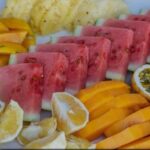
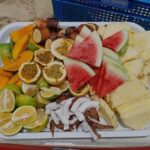
I especially like the mix of learning plus real sensory time. You get a guide who explains what you’re seeing, and you’ll be smelling and tasting spices, herbs, and tropical fruit such as clove, lemongrass, nutmeg, cinnamon, turmeric, vanilla, coconuts, papaya, chili, black pepper, jackfruit, cardamom, cassava, and oranges. I also like that the day includes lunch with local spice food pilau, not some random snack stop.
One thing to plan around: it’s a walking tour in open air, so check the weather and wear comfortable clothes you can move in. If it’s hot or rainy, that walk is the part most likely to feel long—so dress for the day, not for your Instagram outfit.
In This Review
- Key highlights worth knowing
- Walking the Zanzibar Shamba: spices, fruits, and how it’s grown
- Smell-and-taste moments: what you’ll sample on the farm
- Lunch with local pilau flavors: what’s included and why it helps
- Jozani Forest and red colobus: the wildlife stop that earns its spot
- Stone Town heritage centre: context after the spice and forest
- Price and value: is $85 actually fair for this full day?
- How to plan it well: cash, clothes, and the rules you must follow
- Who this tour suits best (and who should rethink it)
- Should you book this spice farm, Jozani, and Stone Town tour?
- FAQ
- What’s included in the $85 per person price?
- Is lunch included?
- Do I need cash for the tour?
- Is transfer included?
- Are tips included?
- What languages are offered?
- What should I bring and wear?
- Who should avoid booking this tour?
Key highlights worth knowing

- Spice farm shamba walking tour with a focus on how plants are cultivated all year-round
- Smell-and-taste stops for cloves, vanilla, cinnamon, turmeric, and more
- Cash-only spice stall at the end of the farm section
- Jozani Forest red colobus viewing as a dedicated wildlife stop
- Stone Town heritage centre added for context beyond the beach
- Guides in English, French, or German depending on your group
Walking the Zanzibar Shamba: spices, fruits, and how it’s grown

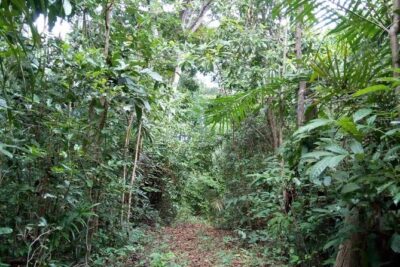
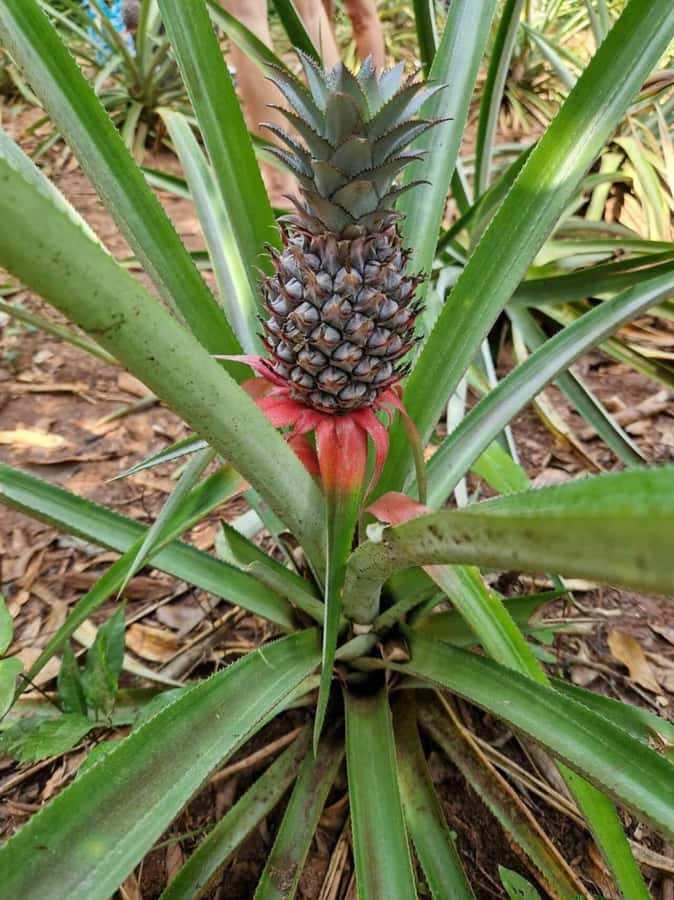
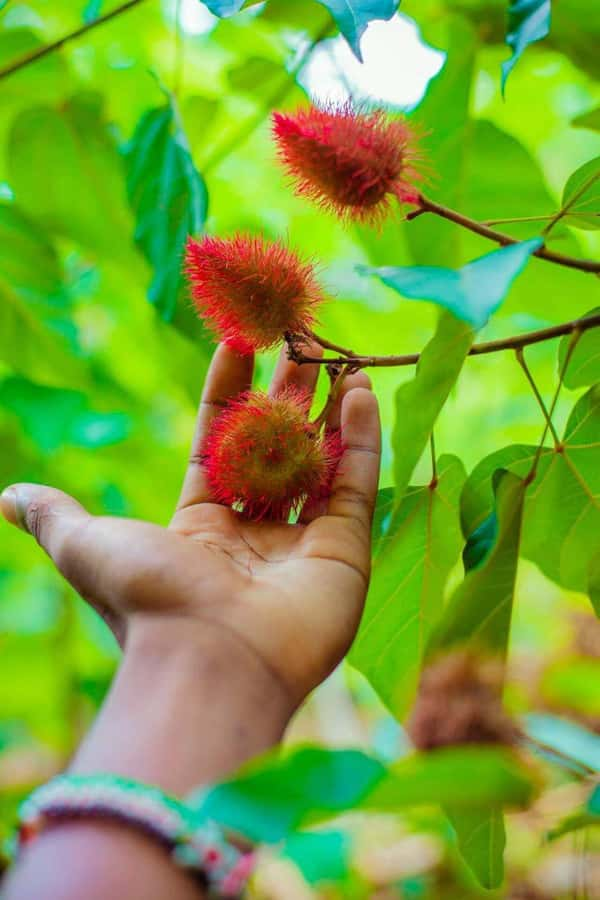
The core of this experience is the Zanzibar walking spice tour on a spice farm (shamba). This matters because it turns Zanzibar’s famous spice reputation into something you can actually connect to a living plant. Instead of only hearing about clove and nutmeg, you’ll see where they come from—trees, shrubs, herbs, and crops growing in the field.
A walking shamba tour is also a slower way to look at the island. You’re not stuck staring at one display. You move along paths as your guide points out plants and explains how they’re cultivated. You get to build a mental map of common Zanzibar crops and how they fit together as a working farm.
The farm section is also where the “tour” becomes practical. You’ll likely leave with a better idea of what you’re buying later—what’s a spice, what’s an herb, what’s used fresh versus dried, and which flavors pair well together. That’s especially useful in Stone Town, where spice products are easy to find in shops.
A few more Zanzibar City tours and experiences worth a look


Smell-and-taste moments: what you’ll sample on the farm

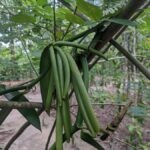
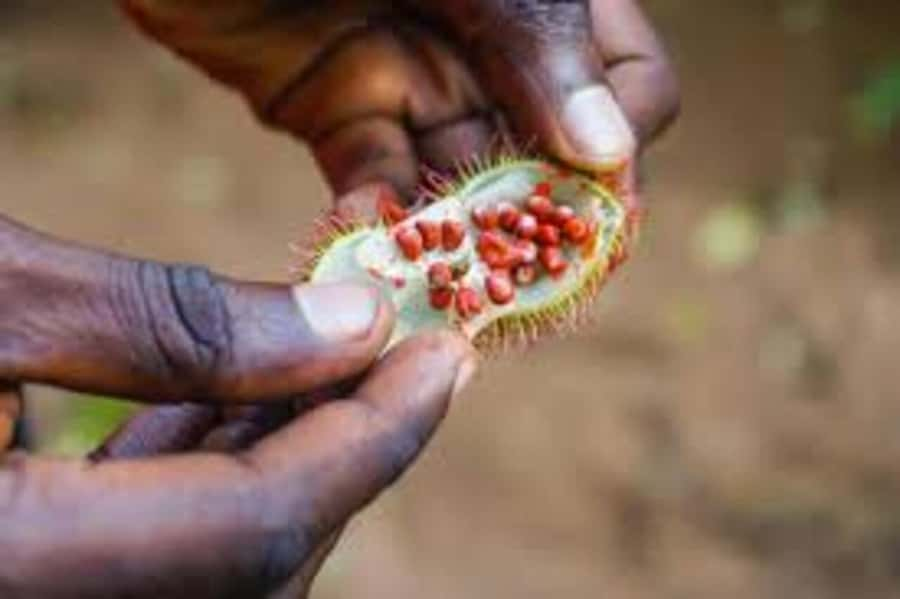
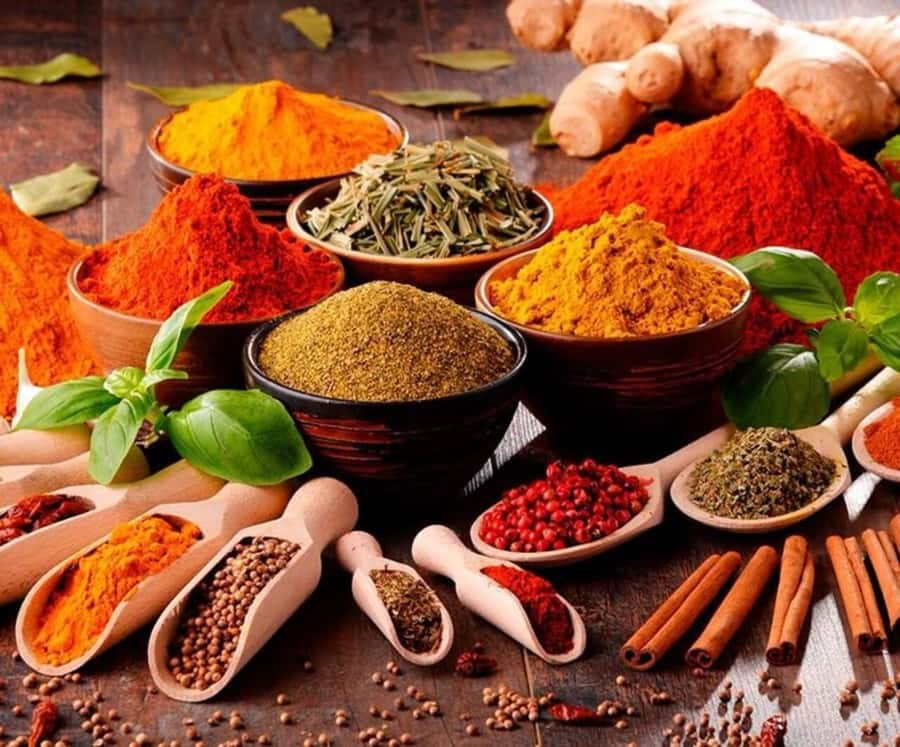
This tour is designed around sensory learning. You’re not just watching; you’re using your senses. On the farm, you’ll smell and taste a set of well-known Zanzibar plants, including clove, lemongrass, nutmeg, cinnamon, turmeric, vanilla, coconuts, papaya, chili, black pepper, jackfruit, cardamom, cassava, and oranges.
A few practical tips to get the most out of this part:
- If you’re sensitive to strong flavors, take it slow at the first tasting. Spices like chili and black pepper can hit hard in small bites.
- Pay attention to how flavors smell before you taste. Many guides teach you that scent is a big part of recognizing a spice.
- If you’re planning to buy spices after, try to remember what each sample smelled like so you can compare later at the stall.
One detail I really like: the tour ends at a spice stall where you can buy fresh packaged spices. The catch is simple—purchases are cash only. So bring cash you’re comfortable spending, not just enough for the tour itself.
Lunch with local pilau flavors: what’s included and why it helps

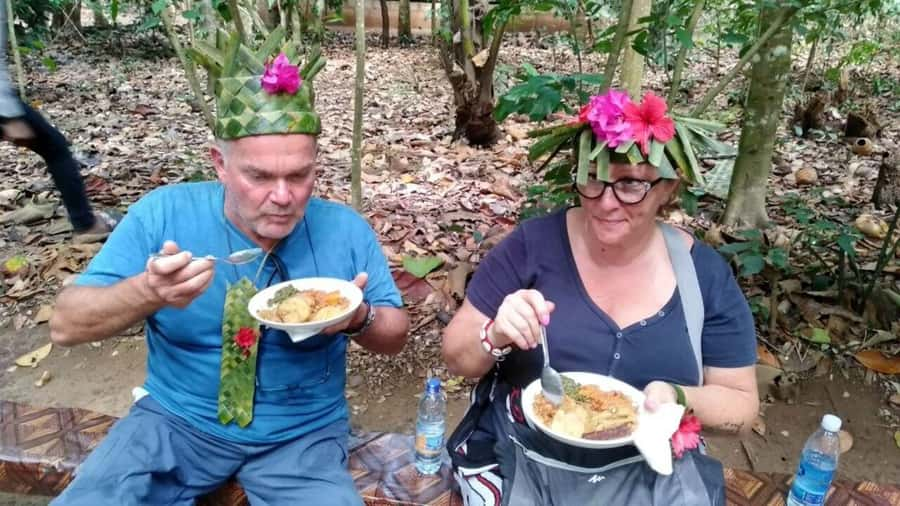
After the farm walk, you’ll have lunch included: local spice food pilau. Even if you don’t think of lunch as a “highlight,” it plays a key role on a day like this. The tour stacks multiple locations—farm, Jozani, and Stone Town—so having a proper included meal helps you avoid the usual trap: spending time searching for food or settling for something you don’t actually want.
The pilau also fits the theme of the day. Since you’re learning about spices in the morning, lunch gives you a chance to connect those flavors to a dish. You’re not just collecting information—you’re using it in real life.
If you’re the type who likes to keep the day moving, this included lunch is a plus because you don’t have to negotiate a restaurant stop on the fly. Just plan to eat at a normal pace and then be ready to continue, especially if you want a good look at the forest and the Stone Town centre without rushing.
Jozani Forest and red colobus: the wildlife stop that earns its spot
Jozani Forest is where the tour shifts from food to nature. Here, the focus is on seeing red colobus monkeys, Zanzibar’s famous primates. This isn’t a casual extra; it’s the reason this stop matters.
Why I think it’s a smart pairing with the spice farm: both parts teach you how Zanzibar works. The shamba is about cultivated plants—what people grow and manage. Jozani is about the wild side—how animals live in a protected environment. Together, you get a fuller picture of the island rather than a checklist of famous names.
In terms of your experience, you’ll want to bring your camera and be ready for a walk through the forest paths. The best approach is patience. With monkeys, you can’t force the moment, so you’ll enjoy it more if you let the forest set the pace instead of trying to rush for photos.
Also, keep in mind that Jozani is a contrast to Stone Town later. If you’re used to crowded street sightseeing, this forest stop is a welcome change—cooler air, more sounds of birds and insects, and a different rhythm to your day.
Stone Town heritage centre: context after the spice and forest
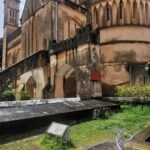
After Jozani, you’ll finish with a stop at the Stone Town heritage centre. Stone Town is where Zanzibar’s story gets layered—traders, architecture, and the old-world influence that shaped the city.
This heritage stop is valuable because it gives your earlier experiences context. You’ve already learned about Zanzibar’s spices as a farm product. Now you connect those spices to the bigger reason Zanzibar became so important in the first place: trade and the movement of people and goods. Even if you only spend a short time here, you’ll likely feel your day makes more sense when you can place it into a citywide story.
Practically, this is also a good closing act. The forest is active; Stone Town is more about observation. It’s easier to slow down after walking in the morning, and you can take in details at your own speed.
A few more Zanzibar City tours and experiences worth a look






Price and value: is $85 actually fair for this full day?
At $85 per person, this tour is priced like a solid day outing rather than a budget add-on. The value comes from what’s included and what’s not.
Included in the price:
- entry fee
- tour guide
- government tax
- lunch (local spice food pilau)
That’s a lot of the “hard costs” handled up front, especially the entry fee and guide time. You’re also getting three major components in one package: spice farm walking tour, Jozani Forest, and a Stone Town heritage centre stop, plus lunch.
Not included:
- transfer
This is the one place you should do a quick decision check. If you’re staying far from the start point, you may want to request transportation. The tour data says you can request transfers and the operator can offer it for a cheap price. In feedback tied to this operator style, guides and drivers such as Mohamed and Eddy have helped with smooth pickup timing and drop-off to your accommodation door. So the experience may feel closer to a full-service day than the “transfer not included” line suggests—just confirm before you go.
Tip note: tips for farm workers are already included in the tour price, so you don’t have to stress about it during that part. If you want to tip extra, it’s optional.
How to plan it well: cash, clothes, and the rules you must follow
For a day that mixes walking, wildlife, and a heritage site, small prep choices make the difference between a smooth day and a mildly annoying one.
Bring:
- Camera
- comfortable clothes
- cash (important for the cash-only spice stall)
Not allowed:
- weapons or sharp objects
- alcohol and drugs
- flashlight
And there are two common-sense “know before you go” items in the details you should take seriously:
- check weather conditions
- check your health condition
That’s not formal worry; it’s simple realism. If you’re managing mobility, stamina, or any health limitation, the farm walk and forest path will be the parts to think about. Comfortable shoes and breathable layers are the smart move.
Also keep in mind the tour languages: English, French, and German. If you’re picky about communication, you’ll likely feel more comfortable with a guide who matches your language.
Who this tour suits best (and who should rethink it)
This is a strong fit if you like food and you enjoy learning through senses, not just through facts. The spice farm part is where it shines—especially if you want to understand Zanzibar spices beyond souvenir shopping.
It also suits first-time visitors to Zanzibar who want variety without planning separate outings for each stop. You get the farm, the forest wildlife, and Stone Town context in one day.
It’s not a fit for everyone:
- it’s not suitable for babies under 1 year
- it’s not suitable for people over 95 years
If you’re in that age range, ask directly about comfort level and how long the walking segments are. The tour data doesn’t provide specific timing details, so a quick question to the provider is the safest way to judge.
Should you book this spice farm, Jozani, and Stone Town tour?

If you want a one-day Zanzibar experience that’s more than beaches and more than one museum stop, this is a good booking choice. The spice farm walking tour with tastings plus Jozani Forest red colobus plus a Stone Town heritage centre stop is a smart blend of hands-on learning, wildlife, and city context.
I’d book it if:
- you’re curious about spices and want to smell and taste your way through Zanzibar crops
- you want a guided day that bundles multiple destinations
- you’ll appreciate an included lunch so you don’t lose time chasing food
I’d hesitate if:
- you dislike walking in heat or rain and don’t want to adjust your day for weather
- you want zero spending beyond the tour price, since the farm section ends with a cash-only spice stall
Bottom line: if you pack cash and wear comfortable clothes, this tour gives you a lot of Zanzibar in one day for the price.
FAQ
What’s included in the $85 per person price?
The price includes entry fees, a tour guide, government tax, and lunch (local spice food pilau).
Is lunch included?
Yes. Lunch is included and it’s local spice food pilau.
Do I need cash for the tour?
You should bring cash. The spice stall at the end of the farm section accepts cash only.
Is transfer included?
Transfer is not included in the price, but you can request transportation and the provider can offer it for a cheap price.
Are tips included?
Tips for farm workers are already included in the tour price. Tipping is optional.
What languages are offered?
The tour languages are English, French, and German.
What should I bring and wear?
Bring a camera, comfortable clothes, and cash. Plan for the weather since you’ll be walking outdoors.
Who should avoid booking this tour?
The tour is not suitable for babies under 1 year and not suitable for people over 95 years.