REVIEW · ZANZIBAR CITY
Spice Farm Bike Tour: Pedal Through Aromatic Adventures
Book on GetYourGuide →Operated by Happy Bikes Zanzibar · Bookable on GetYourGuide
Spice scents start the moment you ride out. This Spice Farm Bike Tour mixes street-life cycling with hands-on spice tasting and a nature stop in the Masingini Forest. I like that it’s built around real local rhythms, not just photo stops.
What I’d put at the top is the spice-farm visit: you’ll get to touch, smell, and taste the plants, then walk the grounds with a guide who explains how spices grow and get used. The second big win for me is the return ride through the forest, where you can look up for red colobus monkeys and see birds and other wildlife.
The main consideration is the cycling itself. It’s about 14 km each way, with hills in the heat, uneven gravel and off-road sections, and at least some time on busier roads, so you need solid bike comfort and sure footing.
In This Review
- Key Highlights You’ll Actually Feel
- From Stone Town Streets to Spice-Scented Roads
- The Spice Farm Walk: Smell, Touch, and Taste (For Real)
- Swahili Lunch on the Farm: A Solid Meal, Not a Placeholder
- Herbal Products and Village Connections
- The Masingini Forest Ride: Red Colobus Monkeys in the Trees
- How Hard Is This Ride, Really? Hills, Uneven Ground, and Timing
- Price and Value: $60 with Meals, Bike, and Forest Entry
- Pickup, Meeting Points, and Where the Day Ends
- What to Pack So You Don’t Hate the Day
- Who This Tour Fits Best (and Who Should Skip It)
- Should You Book the Spice Farm Bike Tour?
- FAQ
- How long is the Spice Farm Bike Tour?
- Where does the tour meet, and how does pickup work?
- What’s included in the $60 price?
- Is a helmet included?
- How far do you ride?
- Is the ride suitable for beginners or anyone who can’t ride well?
- What should I bring for the tour?
Key Highlights You’ll Actually Feel
- Spice tastings that go beyond looking: fruits, spices, and guided explanations you can use at home
- A real Swahili lunch at the farm, not a generic tourist plate
- Masingini Forest return with a chance to spot red colobus monkeys up in the canopy
- Street-and-neighborhood riding that shows daily Zanzibar life on the move
- Guides like Issa and Adam who tend to keep things friendly, funny, and informative
- Optional help if you need it: there’s a minibus option partway, depending on your comfort level
From Stone Town Streets to Spice-Scented Roads
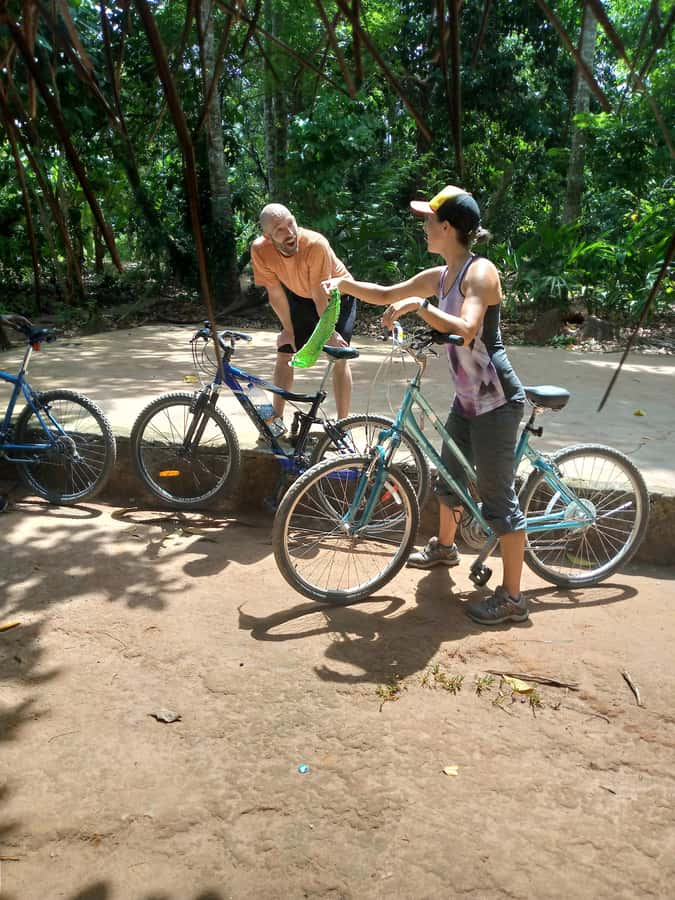
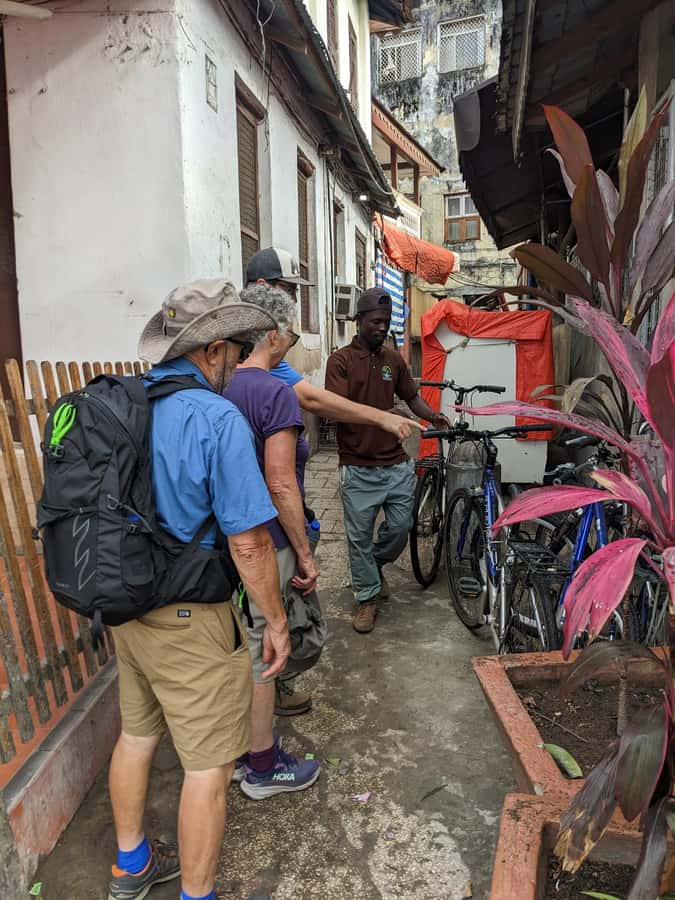
This tour starts with a bike pickup and a ride that gradually shifts from town streets into quieter village roads. If you’re staying in Stone Town, you’ll likely begin right from the city area and roll out with your local guide as the scenery changes under your wheels. The total ride is about 14 km going out and 14 km back to Stone Town, which means you’re earning every view.
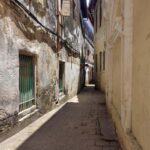
You’ll pedal through main streets and neighborhoods first, which is where the experience feels most “Zanzibar real.” You’ll pass everyday scenes—shops, homes, and street art that makes the walls look like a message from the island itself. It’s also a good way to see the geography without sitting in a vehicle.
One practical note: the tour runs in shower or shine. So plan for heat, sun, and sudden wet weather without expecting a reroute that magically avoids it. Bring the kind of clothing that dries fast and doesn’t make you miserable when the afternoon humidity kicks in.
You can also read our reviews of more tours and experiences in Zanzibar City.


The Spice Farm Walk: Smell, Touch, and Taste (For Real)
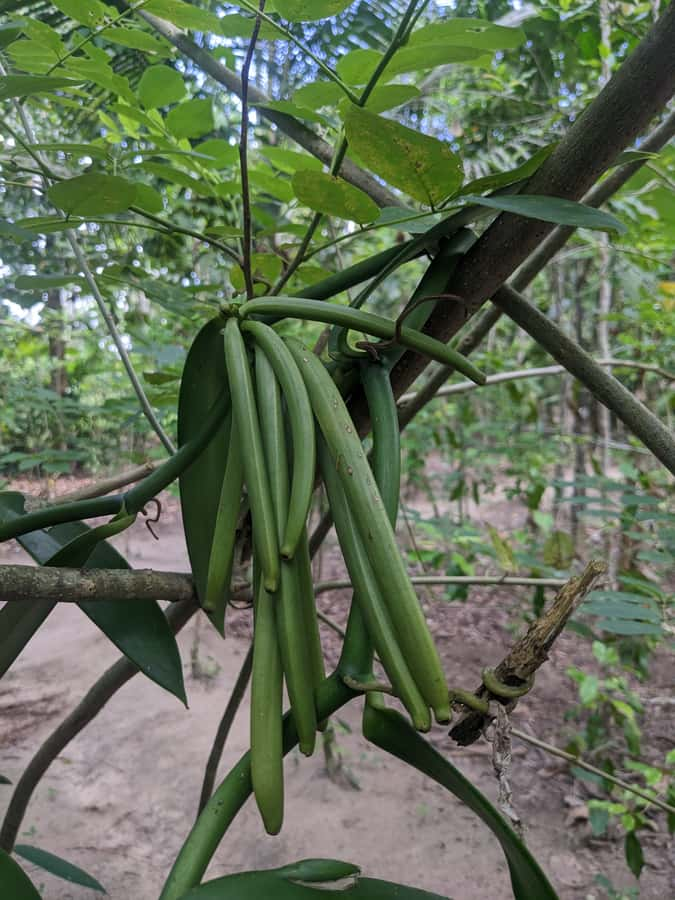
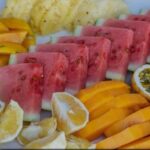
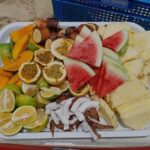
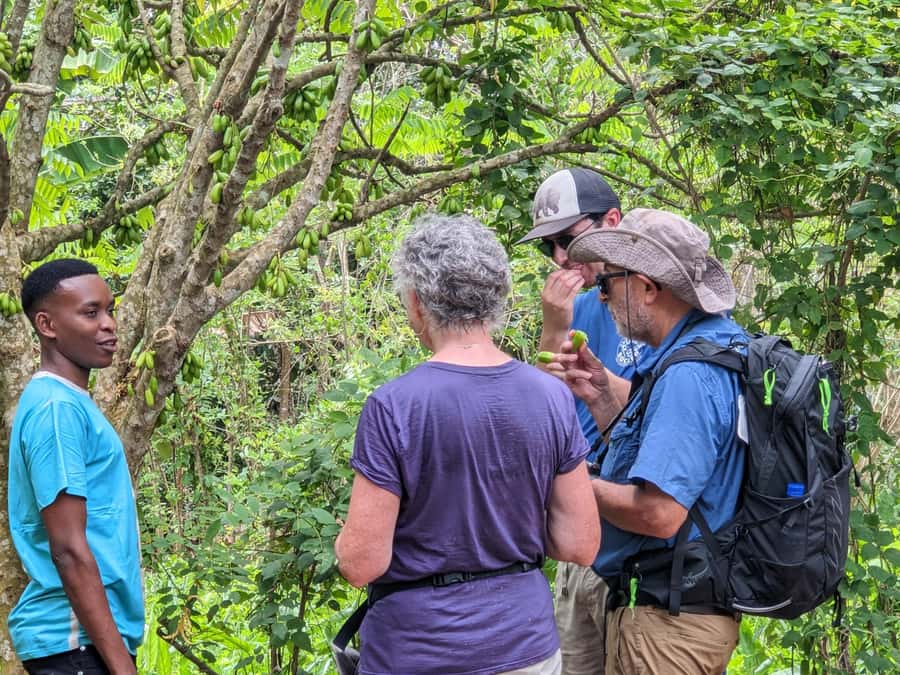
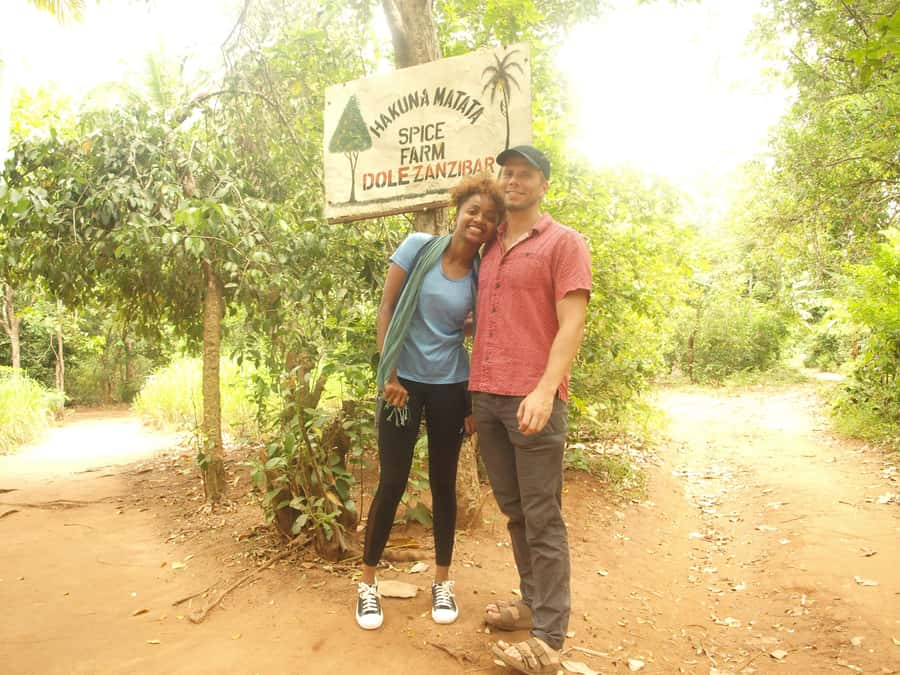
The heart of the day is a spice farm visit in a quiet village setting. After you park your bike, you’ll start with tropical fruits and then take part in a guided walk around the farm that lasts about an hour. This is where the tour earns its name.
You’re not just looking at plants from a distance. You’ll get time to touch, smell, and taste spices, plus learn how different spices are grown and why they’re used the way they are in Zanzibar food and products. The guide’s explanations matter here because they turn the farm from a pretty place into a useful lesson.
It’s also a chance to see how plant life connects to everyday culture. Some guides on similar farm days also point out how spices feed into soaps, oils, and perfumes, and you can expect the farm talk to connect flavor with fragrance and local making. If you like learning by doing, this stop hits.
Swahili Lunch on the Farm: A Solid Meal, Not a Placeholder
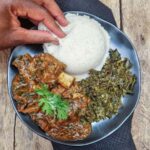
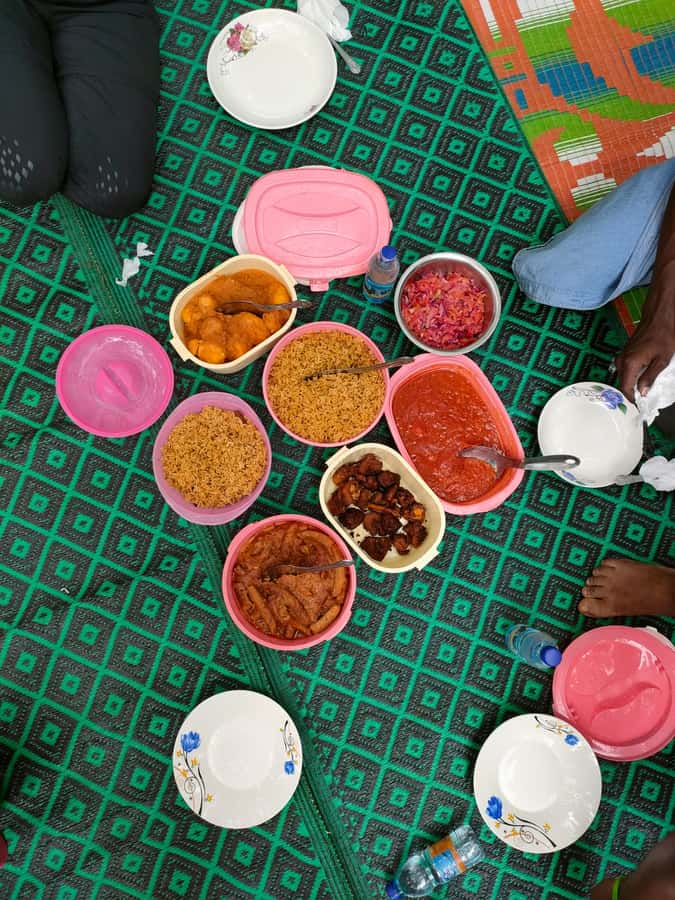
After the farm walk, you’ll sit down for Swahili lunch. A farm lunch is often where the tour either feels respectful or feels rushed, and this one is built around a proper local meal you eat as part of the day instead of between photo ops.
You also get water during the tour, and coconut water is included too. That matters, because cycling in Zanzibar heat can turn “one more hill” into a survival test. Having that drink support makes the ride feel more like an activity and less like a chore.
If you’re paying attention, you’ll notice how the lunch ties back to the farm visit. Even when the menu details vary, the spices you tasted earlier tend to show up again in flavor. It’s a nice loop that helps you remember what you learned instead of letting it float away with the afternoon breeze.
Herbal Products and Village Connections
After lunch, you’ll have time to meet villagers and browse herbal products made locally, with options available for purchase. Your tour includes tastings and meals, but natural product buying is not included, so it’s smart to bring cash if you want souvenirs that are actually Zanzibar-made.
This portion is worth it even if you don’t buy anything, because it gives you a calmer window from the bike ride. Instead of rushing to the next stop, you get to ask questions, hear local stories, and understand how plants and daily life connect on the island.
One detail that can add fun here is the way some guides bring energy. In past runs, the group has also experienced a coconut tree moment where a local coconut climber sang the Hakuna Matata song. Even if that exact moment depends on timing, it signals that the farm visit may include playful local flair.
The Masingini Forest Ride: Red Colobus Monkeys in the Trees
On the way back, you cycle through the Masingini Forest, which is where the day shifts from villages and roads to shade and wildlife. The forest route is one of the most memorable parts because it feels like a reset. You go from heat and traffic energy to a cooler, greener atmosphere.
Keep your eyes up. The tour includes the chance to encounter red colobus monkeys, with the classic scenario being monkeys moving around in the canopy. You may also spot birds and other wildlife along the way, depending on the day’s activity level.
This is also an easier place for photos because the light under trees can be softer than in open sun. Still, don’t get so photo-focused that you forget the biking needs. The forest ride is part of the cycling plan, not a sightseeing detour where you can stop everywhere.
A few more Zanzibar City tours and experiences worth a look



How Hard Is This Ride, Really? Hills, Uneven Ground, and Timing
Here’s the part you need to take seriously: this isn’t a relaxed cruise. The ride covers about 14 km each way, and the route includes gravel roads plus off-road sections. The ground isn’t flat, and the tour notes that the main way is uneven and not horizontally level.
Some people find this fun and energizing. Others find it sweaty and demanding, especially if you’re not used to hills. Even if you’re an average cyclist, the heat can make every climb feel longer than it looks on a map.
There’s also the reality of cycling near traffic. You pedal along main streets at the start, and that can mean busy roads and roundabouts. The best approach is to ride defensively: keep your line steady, don’t assume drivers see you in time, and communicate with your guide if you need adjustments.
If you’re not sure you can handle all the cycling distance, there’s an option that can reduce strain. The tour can include a minibus half way from Stone Town, meaning you might not have to bike every single segment if conditions or your comfort level don’t match the plan.
Price and Value: $60 with Meals, Bike, and Forest Entry
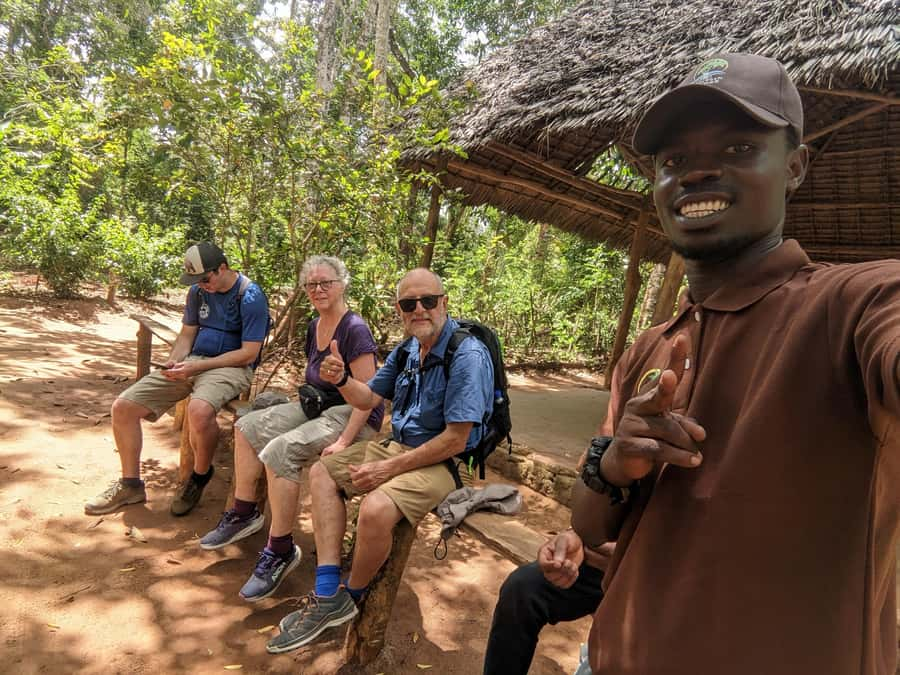
At $60 per person for a 6-hour day, the value comes from what’s bundled. You get bicycle rental, a local guide, and the big on-the-ground pieces: a farm visit with fruit tastings, Swahili lunch, and drinks including coconut water. You also get pickup and drop-off, plus entry tickets for Dole and Masingini Forest areas.
What that means for you: you’re not paying for a “tour package” that leaves you hunting down your own bike, paying separately for meals, and then wondering about park access. Here, the major costs are handled, so you can focus on actually doing the ride and stops.
What’s not included is buying any natural products at the farm, and helmet rental is not included. If you have your own helmet, bring it. If not, ask your guide or operator ahead of time what they recommend, since safety is always your responsibility.
Pickup, Meeting Points, and Where the Day Ends
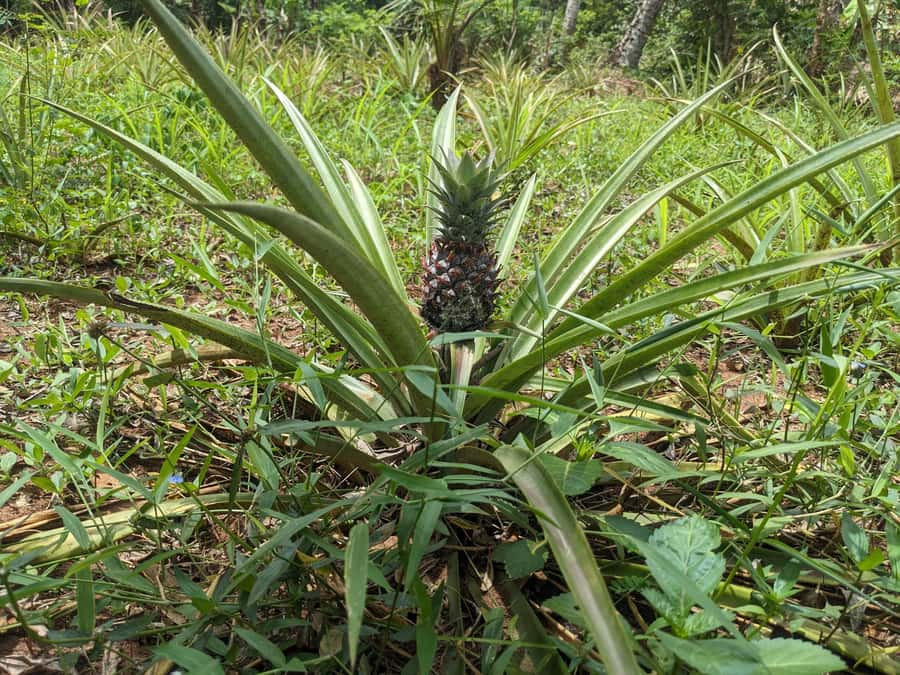
Pickup is designed to be easy, but it’s still worth planning ahead. You’ll wait in the hotel lobby about 5 minutes before your scheduled pickup time, and the guide will be holding a map of the city.
You can also meet the guide in front of the Lukmaan Restaurant on Mkunazini Street if you prefer a fixed point. The tour also offers optional pickup from North and East hotels, and the end location can be anywhere you recommend, based on the tour plan.
This flexibility is useful when you want to return to Stone Town smoothly instead of forcing a single drop-off spot. Just keep in mind that the day is structured around the cycling loop, so where you end still depends on how the return timing works.
What to Pack So You Don’t Hate the Day
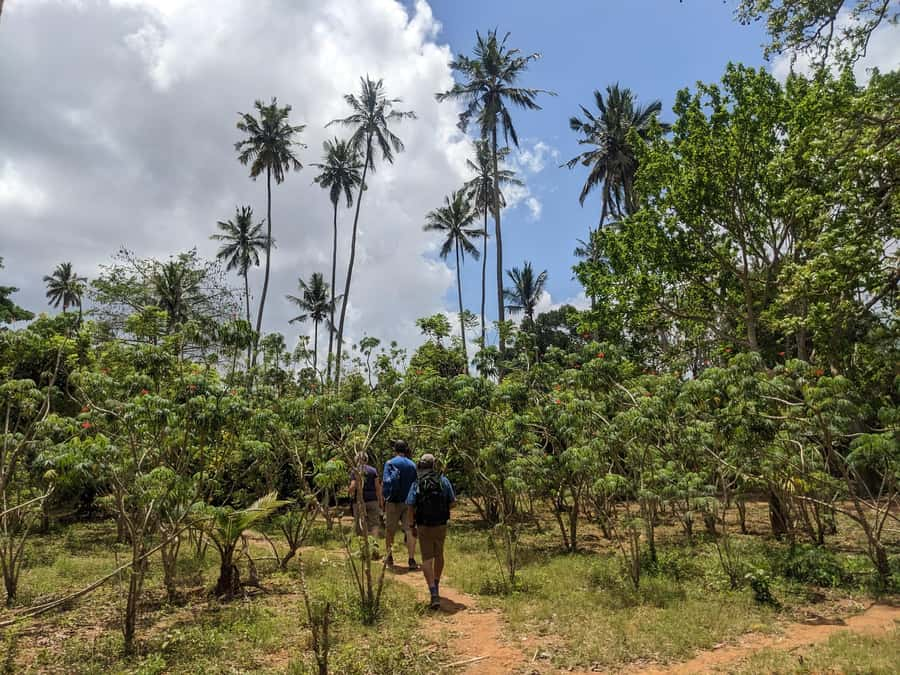
Because the tour mixes road biking, uneven terrain, sun, and a forest stop, packing matters. Wear sports shoes that grip well. Sandals and smooth soles won’t give you the confidence you want, especially if the gravel gets loose or wet.
Bring outdoor basics: sunscreen, sunglasses, and a hat. Also bring outdoor clothing and comfortable clothes that you don’t mind getting a bit dusty, since parts of the route are off-road.
You’ll also want cash for any purchases. The farm offers herbal products made locally, and that’s the kind of souvenir that feels more meaningful than a mass-produced item from a shop.
Finally, check what’s not allowed. Avoid high-heeled shoes and short skirts. Pets and alcohol/drugs are not allowed, and the tour notes restrictions like no skates and no loose or ripped clothing. It’s not about being fussy; it’s about keeping the bike ride safe and the day smooth.
Who This Tour Fits Best (and Who Should Skip It)
This tour is best for people who enjoy active travel and can handle uneven surfaces. It’s not suitable for children under 9, wheelchair users, pregnant women, or anyone who can’t ride a bike. If you’re comfortable with a mountain bike and can manage climbs in heat, you’ll likely enjoy the day.
I’d also steer it toward travelers who want a more authentic Zanzibar feeling. The street and neighborhood sections give you everyday scenes without turning the day into a lecture. And the farm and forest stops add structure, so you’re not only “riding to ride.”
If you’re someone who wants a totally gentle, flat ride with minimal road traffic, this won’t be the best fit. The best way to make it work is to be honest about your biking comfort and take the minibus option if you need it.
Should You Book the Spice Farm Bike Tour?
Book it if you want a real Zanzibar day that mixes cycling, spice learning, and wildlife chances in one loop. The strengths are clear: a guided farm walk with spice tastings, a solid Swahili lunch, and a scenic return through Masingini Forest where you can look for red colobus monkeys.
Skip or rethink it if you want an easy ride. The distance is meaningful, the terrain isn’t flat, and some road segments can be busy. If you choose to go anyway, prepare like it’s a workout: bring proper shoes, plan for hills, and consider the minibus partway if you’re not confident.
My practical bottom line: this tour is great value when you’re comfortable biking and you want flavor plus scenery. If you’re chasing an effortless stroll with guaranteed wildlife and zero stress, you’ll probably be happier picking a gentler option.
FAQ
How long is the Spice Farm Bike Tour?
The tour lasts about 6 hours.
Where does the tour meet, and how does pickup work?
You wait in your hotel lobby about 5 minutes before pickup time. Your guide will be holding a map. If you prefer a meeting point, you can meet the guide in front of Lukmaan Restaurant on Mkunazini Street.
What’s included in the $60 price?
The price includes a local guide, bicycle rental, lunch (Swahili cuisine), tropical fruits, water, coconut water, pickup and drop-off, and entry tickets to Dole and Masingini Forest.
Is a helmet included?
No, a helmet is not included.
How far do you ride?
It’s about 14 km to go and 14 km back to Stone Town, for roughly 28 km total.
Is the ride suitable for beginners or anyone who can’t ride well?
It’s not suitable for people who can’t ride a bike. The route includes gravel and off-road sections and is not flat, so you should be comfortable riding on uneven ground.
What should I bring for the tour?
Bring a camera, sports shoes, cash, outdoor clothing, sunscreen, comfortable clothes, sunglasses, and a hat.