REVIEW · ZANZIBAR
Jozani Forest Tour
Book on Viator →Operated by Paradise Tours & Safaris · Bookable on Viator
Monkeys meet mangroves in a few calm hours. This short Zanzibar nature outing pairs a mangrove boardwalk with a forest trek in Joani Forest Reserve, so you get wildlife, plants, and tidal-life in one go.
I like that the tour focuses on the stars: the Zanzibar red colobus sightings, plus clear guidance on how to spot wildlife without wasting time. I also like the plant education, including the medicinal properties of eucalyptus, mahogany, and other forest species.
One consideration: timing can matter. A few reviews note late pickups that can mean you reach the park after other tour buses, so plan with a little cushion if you’re photo-obsessed.
In This Review
- Key things I’d zero in on before you go
- Joani Forest Reserve: monkeys, mangroves, and a real guide experience
- What you’ll do on the forest walk (and why it’s worth it)
- Heads-up for the forest section
- Mangrove boardwalk time: crabs, tropical fish, and tide drama
- Timing inside the park
- Learning on the fly: eucalyptus, mahogany, and medicinal plants
- The itinerary, broken into real expectations
- Stop 1: Jozani Chwaka Bay National Park (main event)
- Pickup, transport, and the Forodhani meeting point
- Price and value: is $48 a good deal?
- What the guide quality can change (and why Seif comes up)
- Weather, clothing, and small practical tips
- Who this tour suits best
- Should you book the Joani Forest Tour?
- FAQ
- Where is the Jozani Forest tour located?
- How long does the tour take?
- How much does it cost?
- Is hotel pickup included?
- Where do I meet the tour?
- What’s included in the price?
- What isn’t included?
- Is this tour private?
- What’s the cancellation window?
Key things I’d zero in on before you go
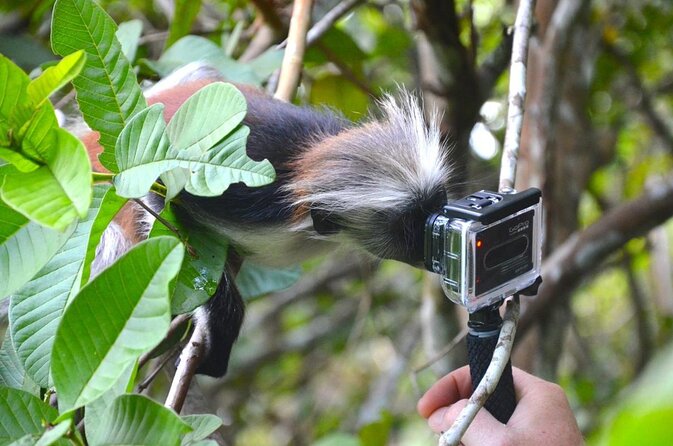
- Red colobus spotting with a guide who can pick them out faster than you’ll manage on your own
- Mangrove boardwalk viewing that puts you above the swamp, with crabs and tidal action along the way
- Medicinal plant talk (eucalyptus, mahogany, and more) that turns a walk into something useful
- Private feel for your group while still benefiting from a group-discount setup
- Multiple departure times (morning and afternoon), which helps you match your Zanzibar schedule
Joani Forest Reserve: monkeys, mangroves, and a real guide experience
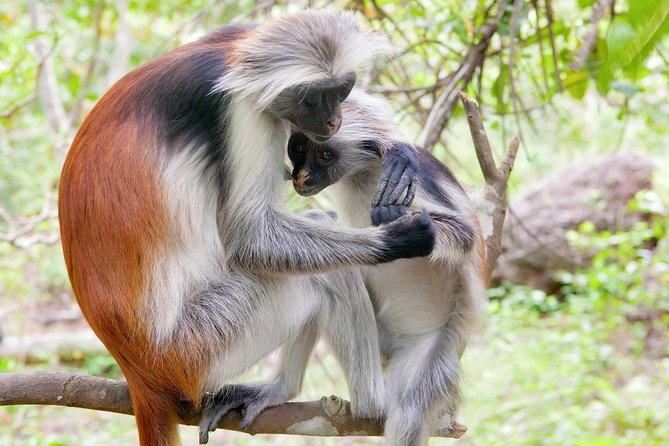
This is the kind of Zanzibar outing that works even if you’re not a hardcore birder. You’re in Joani Chwaka Bay National Park, and the experience is built around two different habitats: forest and mangrove swamp. That means your chances of seeing wildlife aren’t pinned to just one kind of scenery.
The best part is the pacing. In a few hours you can do a proper walk, hit the boardwalk over the mangroves, and still get back to Zanzibar without feeling like your day disappears. If you like nature but don’t want a long hike in heat and humidity, this is a smart fit.
You can also read our reviews of more tours and experiences in Zanzibar.

What you’ll do on the forest walk (and why it’s worth it)
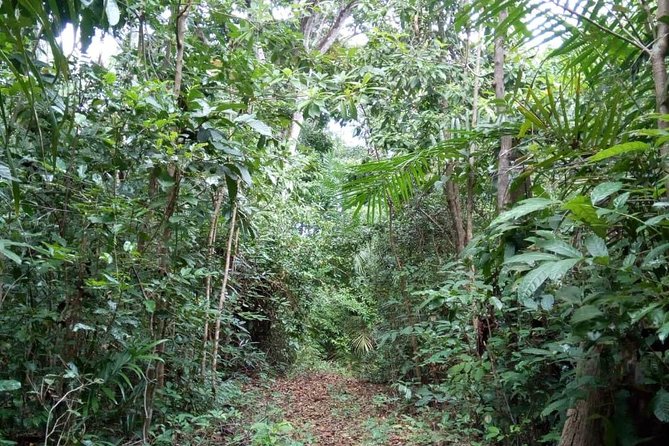
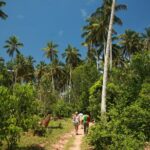
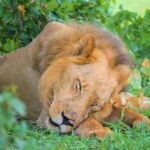
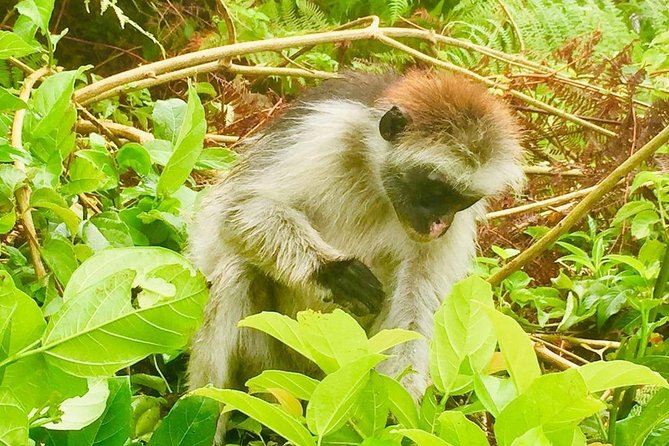
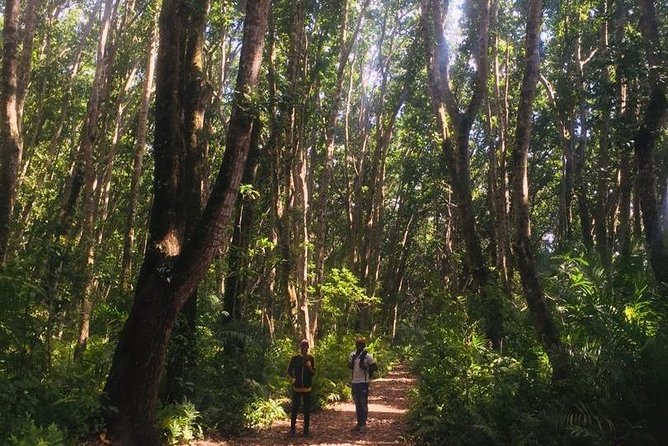
Your time starts with joining a guide inside Jozani Chwaka Bay National Park. From there, you walk through the Joani Forest Reserve looking specifically for the rare Zanzibar red colobus monkey. These monkeys are a big reason people book the tour, and the guidance matters because they can blend into the canopy.
This is also where the guide’s job becomes more than “point and smile.” A good guide helps you track movement and sound, then shows you where to look without you having to guess. One theme in the feedback I’m using to shape this review is that guides with sharp eyes can spot red colobus activity faster, and that directly improves your photos.
A nice bonus: the tour doesn’t treat the forest as background. You’ll learn how Zanzibar wildlife developed in isolation from the mainland, and you’ll hear what role the forest plants play in keeping birds and other animals alive here. Even if you’re not a science person, the message is simple: this forest isn’t just trees—it’s a working system.
Heads-up for the forest section
Rain can change how pleasant the walk feels. In wet conditions, paths can get slippery and visibility may drop. That said, your best wildlife opportunities often still show up—you just have to dress for it and accept that photos might be a bit less crisp than in dry weather.
Mangrove boardwalk time: crabs, tropical fish, and tide drama
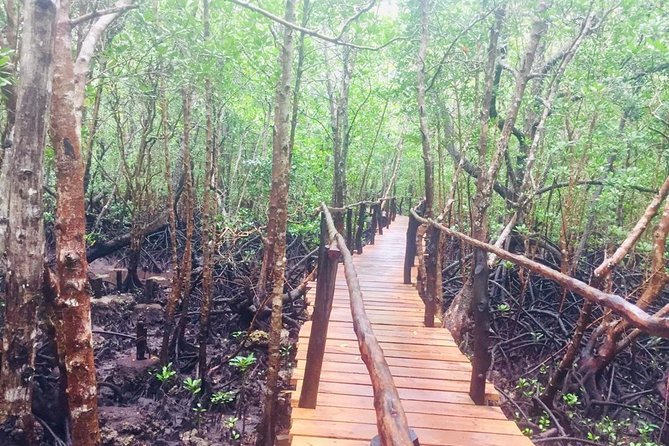
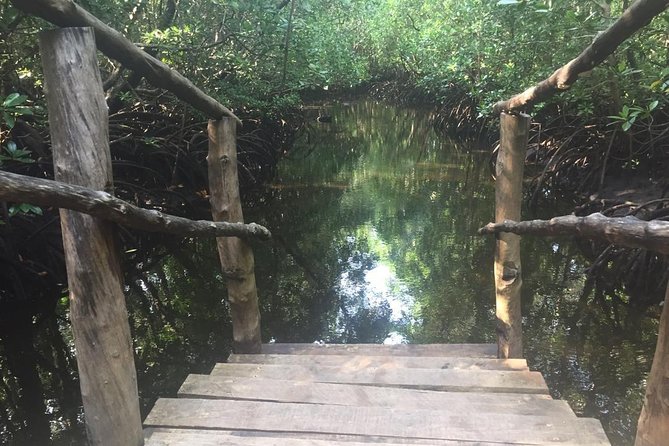
After the forest trek, you switch to the mangrove boardwalk, which runs above the swamp. This part is genuinely visual because the mangroves are alive in a way that’s hard to recreate elsewhere: roots, mud, tiny movements, and tide-linked activity.
Here’s what to expect as you walk:
- You’ll watch agile crabs scuttling across the mud
- You’ll look for the tropical fish in and around mangrove roots
- You’ll keep an eye out for birds and reptiles that use this habitat
The value of the boardwalk is that it gives you a viewpoint that feels safe and stable while still letting you see the action below. You’re not just walking through a pretty wet area—you’re observing a real food-and-habitat network.
Timing inside the park
The boardwalk and forest sections are not meant to drag. If you’re arriving late and buses have already set the pace, you may feel rushed through the most popular spots. That’s the main practical drawback I’d take seriously, because mangrove boardwalk viewing can be photo-heavy.



Learning on the fly: eucalyptus, mahogany, and medicinal plants
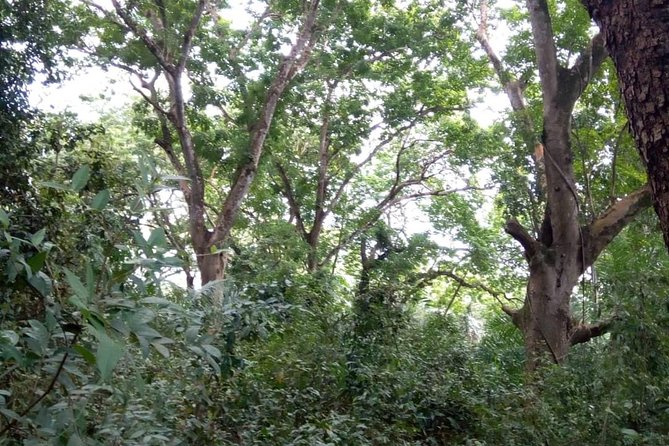
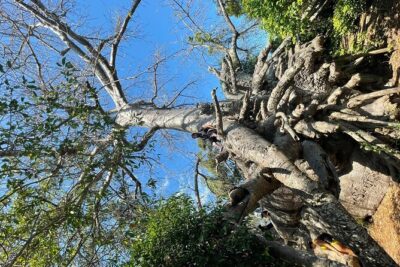
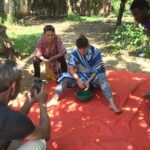
One of the most memorable parts of this tour is the plant education. Instead of only naming trees, the guide explains medicinal properties of eucalyptus, mahogany, and other plants you pass during the walk.
Why this matters for you: it turns a nature tour into an “I’ll remember this” experience. You’ll start noticing that different trees aren’t just different shades. They provide shade, habitat, and—according to local knowledge—uses people historically associate with them.
If you’re the type who likes your travel to feel practical, this is a strong payoff. It gives context for what you’re seeing rather than forcing you to guess.
The itinerary, broken into real expectations
This outing is listed as about 4 to 5 hours total, with around 3 hours inside the park area and admission included. Departures are available both morning and afternoon, and the tour includes pickup and drop-off at Zanzibar hotels via a comfortable vehicle.
Stop 1: Jozani Chwaka Bay National Park (main event)
This is your full “do the work, see the wildlife” block:
- You walk the forest reserve and look for red colobus monkeys
- You join with your guide for nature interpretation during the trek
- You move onto the mangrove boardwalk above the swamp
- You learn how Zanzibar’s wildlife evolved in isolation
- You listen for and spot birds, reptiles, and plant activity
- You observe crabs and tropical fish around mangrove roots
Drawback to consider at this stop: if the group arrives after major tour bus waves, your best viewing time might be slightly disrupted. It’s not a deal-breaker, but it can affect how long you spend waiting for monkey movement.
Pickup, transport, and the Forodhani meeting point
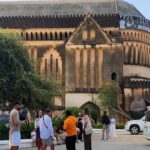
Meeting point is Forodhani, Zanzibar, Tanzania, and the tour ends back at the same place. Pickup is offered, and the vehicle setup is designed for comfort.
One key detail: transportation is noted as included only from Stone Town. So if you’re outside Stone Town, you should confirm what pickup coverage looks like for your exact hotel area. Don’t assume the van comes to every corner without checking.
Also look for timing habits. One review notes a late driver around 20 minutes, which can matter if you’re trying to arrive early and avoid the biggest bus crowd. If your schedule is tight, build in a buffer rather than hoping for perfect punctuality.
Price and value: is $48 a good deal?
At $48 per person, the tour isn’t a bargain, but it also doesn’t feel inflated for what you get—especially because entrance fee is included and admission is part of the park experience. The real value is not just in the ticket. It’s in the guided spotting and the plant/mangrove interpretation that helps you see more than you would on a self-guided walk.
It’s also listed with:
- group discounts
- mobile ticket
- a private tour setup where only your group participates
That private-feel element matters if you’re traveling as a small group and want quieter wildlife time. For couples, friends, or families, you can often get a more flexible rhythm than you’d have on a crowded group day.
If you’re solo and prefer to avoid waiting around with strangers, this setup can still be a win—just confirm whether “private” means truly exclusive or simply that your booking won’t mix with unrelated groups.
What the guide quality can change (and why Seif comes up)
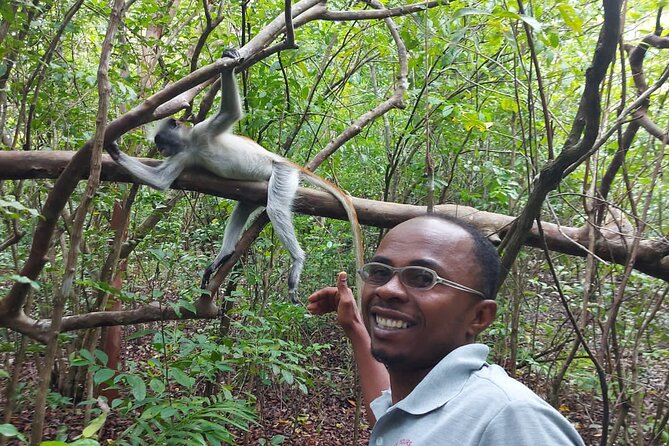
Guide performance is a big deal on monkey-focused tours. The best guides know how to scan canopy movement, read bird alarms, and guide you to the right spots without wasting your energy.
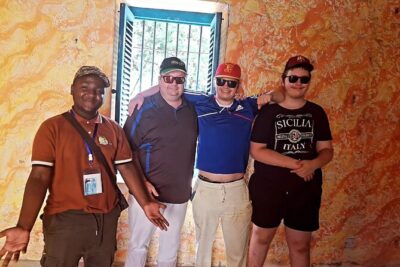
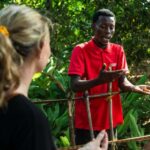
A standout name you’ll see connected with strong results is Seif. Feedback highlights that when a guest asks to see red colobus monkeys, Seif can show many and spot them better than people can on their own. Another recurring praise point: help with getting good photos—especially by moving you into the right viewing angles without turning the experience into a mad scramble.
There’s also mention of guides being prepared in botany and fauna, in English and Italian, and staying patient. That combination is rare: it’s both practical for spotting wildlife and clear enough to make plant info stick.
Weather, clothing, and small practical tips
This is a tropical walk through both forest and mangrove swamp edges. Even when it’s not raining, humidity can wear you down. Wear shoes with grip and bring a light rain layer just in case.
If you care about photos:
- plan to keep your hands free so you can pause quickly when monkeys move
- expect quick moments—wildlife doesn’t sit still for long
- don’t block the boardwalk path; you’ll get better shots by positioning smartly
And if you’re traveling with kids or anyone with limited hiking comfort, the pace here is more about guided walking than long trekking. Still, the boardwalk and forest paths can be uneven, so sturdy footwear helps everyone.
Who this tour suits best
I’d point you toward the Joani Forest Tour if:
- you want short and focused nature time in Zanzibar
- you care about seeing the Zanzibar red colobus monkey
- you like learning about plants, not just wildlife spotting
- you prefer a guided approach that saves you from guessing where to look
It may not be your best choice if you want a deep, all-day adventure or if your priority is a relaxed beach-style schedule. Also, if punctuality is critical to your day plan, build in a little flexibility because a late pickup has happened.
Should you book the Joani Forest Tour?
Book it if you want one efficient Zanzibar nature outing with two habitats—forest and mangroves—and you value a guide who can help you actually see the wildlife. The combination of red colobus viewing, mangrove boardwalk action, and plant education gives you more than a simple checklist tour.
I’d think twice or at least plan carefully if you’re very time-sensitive or traveling during heavy rain. In those cases, a late arrival plus bus crowding can reduce your viewing comfort, even though the core experience is still strong.
FAQ
Where is the Jozani Forest tour located?
It takes place in Zanzibar, Tanzania, specifically in the Joani Chwaka Bay National Park area and the Joani Forest Reserve.
How long does the tour take?
The total duration is about 4 to 5 hours, with roughly 3 hours at the park (admission ticket included).
How much does it cost?
The price is $48.00 per person.
Is hotel pickup included?
Pickup is offered, with transportation included only from Stone Town. You’ll also have drop-off back at your Zanzibar hotel.
Where do I meet the tour?
The start meeting point is Forodhani, Zanzibar, Tanzania.
What’s included in the price?
Entrance fee is included, and transportation is included only from Stone Town.
What isn’t included?
Food and drink aren’t included, and you’ll also cover any personal expenses.
Is this tour private?
Yes. It’s listed as a private tour/activity where only your group participates.
What’s the cancellation window?
Free cancellation is available if you cancel at least 24 hours in advance for a full refund. Less than 24 hours before the start time is not refundable.