REVIEW · ZANZIBAR CITY
FROM NUNGWI: STONE TOWN, SPICE FARM TOUR AND PRISONAL ISLAND
Book on GetYourGuide →Operated by SHUMBIS TRAVEL AND TOUR · Bookable on GetYourGuide
Stone Town plus spices plus tortoises makes sense. This full-day route strings together UNESCO Stone Town and Prison Island with a guide who turns stoplights into stories. I like how the day mixes real places—Omani-era defenses, a palace museum, and the sad geography of the slave trade—with hands-on sensory learning outside the city.
My second favorite part is the spice farm section. You get to see plants up close, smell the oils, and taste the results, not just listen to a lecture.
One thing to keep in mind: it’s a packed day with plenty of driving and walking. If you prefer a slow pace, you may want to split your Zanzibar sightseeing into smaller chunks.
In This Review
- Key highlights to know before you go
- What This Full-Day Zanzibar Mix Really Delivers
- UNESCO Stone Town Highlights: Omani Fort and the City’s Trading Port Past
- Beit al-Ajaib and the Sultan’s Palace Museum: Power, Prestige, and Control
- The Slave Market Site and Anglican Cathedral: A Heavy Stop That Makes the City Make Sense
- Spice Farm Tour: Smell, Sample, and Learn Real Uses (Not Just Names)
- Changuu / Prison Island: Giant Aldabra Tortoises and a History of Detention and Quarantine
- Transportation, Guides, and the Small Details That Affect Your Day
- Price and Value: Is $108 Fair for This Much Ground?
- Who Should Book This Tour (and Who Might Prefer a Slower Day)
- Should You Book From Nungwi? A Quick Decision Guide
- FAQ
- How much does the tour cost?
- What stops are included in the day?
- What is the guide situation for the tour?
- Is transportation included?
- Are entry fees included?
- What does the spice farm experience include?
- What spices and fruits are mentioned?
- What will I see in Stone Town?
- What is Prison Island known for?
- Is snorkeling included?
Key highlights to know before you go
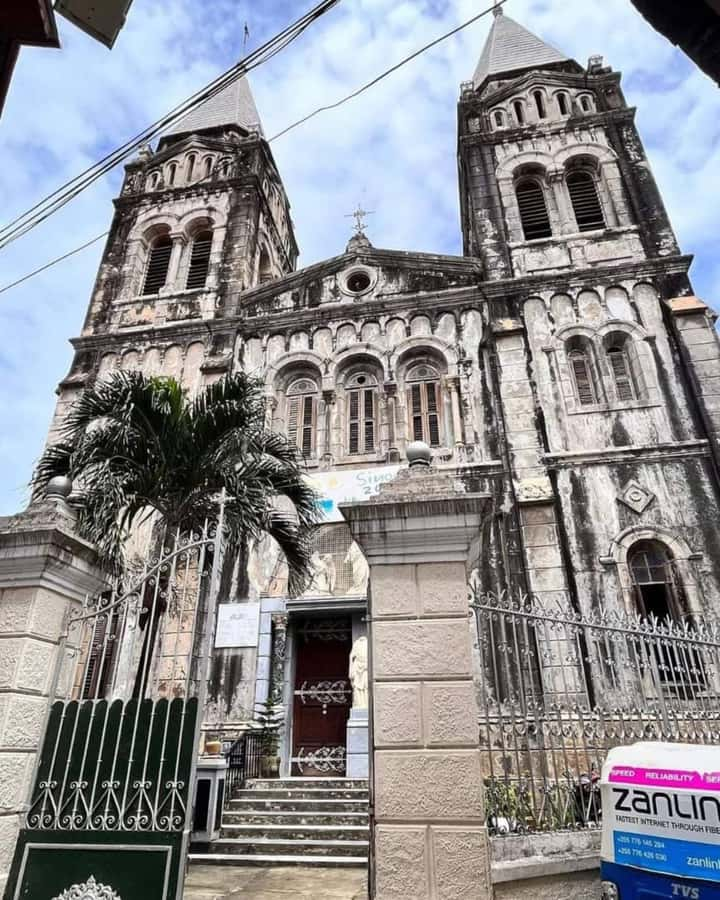
- Stone Town on foot: narrow alleys, old fortifications, and landmark buildings tied to Zanzibar’s trading past
- House of Wonders (Beit al-Ajaib): the sultan’s palace building known for being the first in East Africa with electricity and an elevator
- Slave Market site + Anglican Cathedral: a direct stop for the history connected to the trade in enslaved people
- Interactive spice farm: you’ll smell and sample spices and fruits, learning medicinal, culinary, and cosmetic uses
- Changuu / Prison Island: a short boat ride to meet giant Aldabra tortoises, including animals reportedly over 100 years old
What This Full-Day Zanzibar Mix Really Delivers

This tour works best if you want variety without hopping between independent bookings. You start in the Zanzibar capital area and then move outward—first into the city’s history, then into the agriculture that feeds Zanzibar’s economy and identity, and finally to an island that feels peaceful even though it once served detention and quarantine purposes.
I like that the day isn’t just “look, take a photo, move on.” Stone Town is explained in a way that connects buildings to who ruled, what trades mattered, and how Zanzibar’s position in the Indian Ocean shaped everything. Then the spice farm flips the script: you’re using your senses. Smell first, taste next, and you’ll remember more than you would from a dry description.
A few more Zanzibar City tours and experiences worth a look
UNESCO Stone Town Highlights: Omani Fort and the City’s Trading Port Past
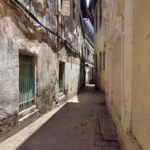
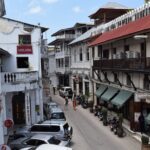
Stone Town is a UNESCO World Heritage Site for a reason. It’s not one big monument. It’s a maze—narrow streets, layered architecture, and building styles that reflect Arabic, Persian, Indian, and European influences. The guide makes it easier by pointing out what you’re looking at as you walk.
The tour includes a stop at a 17th-century fortress built by the Omanis to defend Zanzibar against a Portuguese invasion. Today, it functions more like a cultural hub, with shops and exhibitions. I like this kind of transition: you get the historical context, then you’re not stuck in a lecture—you’re in a lively area where the past still has foot traffic.
If you’re the type who gets lost in cities, this is a helpful day. Stone Town can feel like a puzzle box. With a guide, you don’t just wander—you build a mental map fast, one landmark at a time.
Practical tip: wear shoes that can handle walking on uneven, old-street surfaces. Stone Town streets are narrow and busy, so you’ll be standing and moving more than you might expect.
Beit al-Ajaib and the Sultan’s Palace Museum: Power, Prestige, and Control
Two of the most memorable Stone Town stops are tied to the sultan’s world. One is the House of Wonders (Beit al-Ajaib). This landmark is known as the sultan’s palace building, and it’s credited as being the first in East Africa to have electricity and an elevator. That detail matters. It turns a palace into a signal of ambition, modernization, and how Zanzibar positioned itself as a place worth investing in.
The other major stop is the Sultan’s Palace Museum. Here, you get a glimpse of royal life and learn about historical ties to Oman. I like museums in this kind of tour when they don’t feel like a detached classroom. In this case, it’s part of a street-level story. You’re seeing how power looked, where decisions were made, and how Zanzibar’s connections reached beyond the island.
You’ll also pass the kind of places that reveal how the city functioned as a trading hub—where people, goods, and ideas moved in circles across the Indian Ocean.
The Slave Market Site and Anglican Cathedral: A Heavy Stop That Makes the City Make Sense
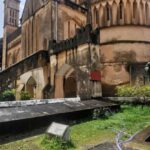
Not every tour balances beauty and truth well. This one includes a stop that does not soften the subject: the Slave Market & Anglican Cathedral area. You explore the site connected to the former slave market, and you visit the cathedral connected to that history.
This is the kind of stop I think is necessary if you want context, not just sightseeing. Zanzibar’s story isn’t only about trade in cloves and spices. It’s also about coercion and forced movement, and the tour gives you a location-based way to understand that. Even if you find it uncomfortable, it adds weight to everything else you’re seeing.
How to get the most out of it: keep your mind open, and don’t rush this stop. The point here is understanding, not checking a box.
Spice Farm Tour: Smell, Sample, and Learn Real Uses (Not Just Names)
After Stone Town’s streets, the day moves into the countryside for an interactive spice farm experience. This is where the tour feels most hands-on. Instead of only hearing about spices, you’ll see spice plants in their growing environment, and you’ll get to smell and taste.
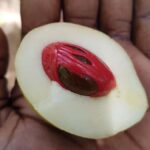
The farm guide walks you through cultivation and harvesting for common Zanzibar spices such as cloves, nutmeg, cinnamon, vanilla, and turmeric. You also learn why those crops mattered beyond flavor—spices were tied to medicinal use, and they also show up in cosmetic applications.
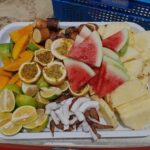
Then you get sampling time: fresh tropical fruits and locally made spice products. This is one of the best parts of the day because it turns memory into something physical. Once you’ve tasted what you just learned about, it’s harder to forget.
If you’re shopping-minded, this segment also helps you buy with confidence. You’ll know what you’re smelling and why it’s used.
Bring along: something small for a snack break, plus water. The spice farm part includes tasting, so you’ll likely want to stay hydrated while you’re walking between plants.



Changuu / Prison Island: Giant Aldabra Tortoises and a History of Detention and Quarantine
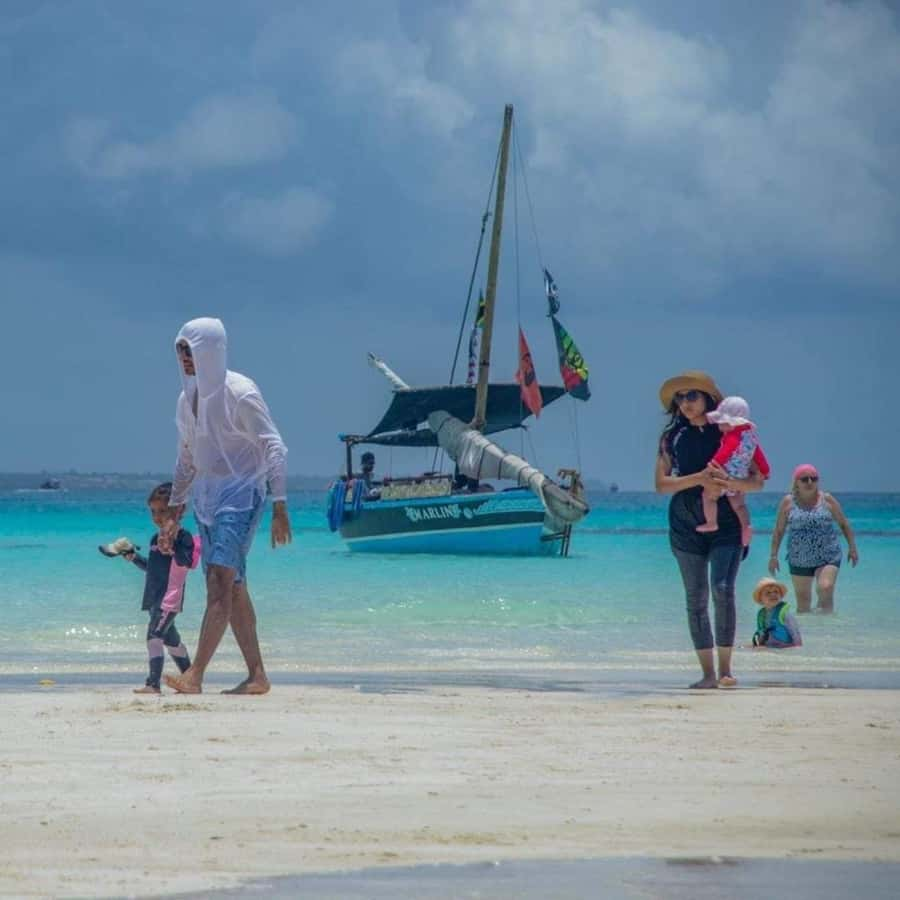
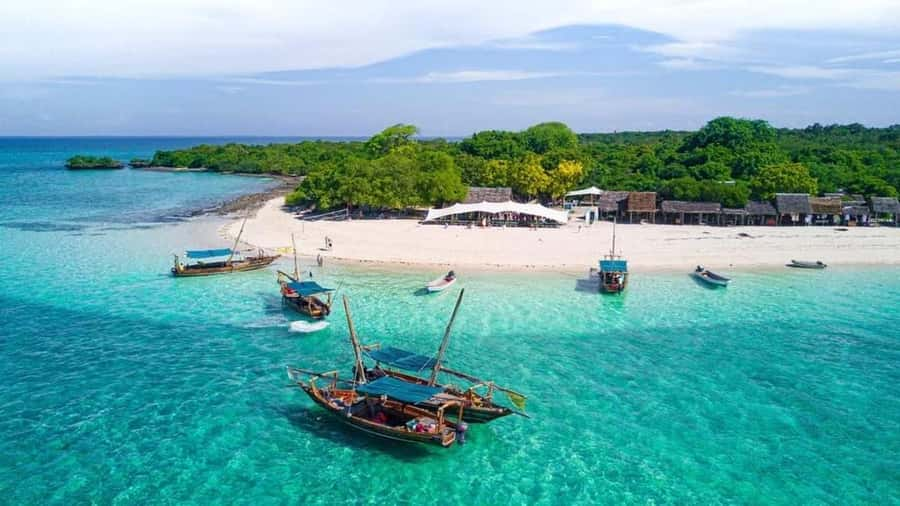
The final stop is Prison Island, also called Changuu Island. You reach it by boat from Stone Town. Even though it’s tied to a dark history, the vibe you’ll feel on the island today is calm—open space, still water views, and slow-moving wildlife.
The history is the twist. Changuu Island was first intended as a detention center for rebellious enslaved people. Later, it became a quarantine station. Today, it’s described as a peaceful retreat and home to a colony of giant Aldabra tortoises, with some reportedly over 100 years old.
Meeting tortoises in a relaxed island setting is a great way to close a day like this. You’ve gone from human history and city architecture to plants and then to living creatures. It gives the day a softer landing—without erasing the meaning of what came before.
Practical note: boat rides can feel a bit choppy depending on conditions. If you’re sensitive to motion, you may want to be prepared.
Transportation, Guides, and the Small Details That Affect Your Day
A tour succeeds or fails in the transitions. Here, the included transportation matters because you’re moving between three very different environments: Stone Town, the countryside spice farm, and Changuu Island.
You also get a professional, English-speaking guide, and the tour is available in other languages too: French, Italian, and German. That matters if you want the historical explanations to land properly rather than being partially lost.
One more thing I appreciate: the day is structured with multiple guides, one for Stone Town and one for the next segments. That can be a good sign. It usually means each area is handled by someone who knows what to point out and what questions people ask at that exact stop. A driver is also part of the experience, and at least one past guest noted a friendly, attentive pickup with a neat car arriving at the agreed time.
Price and Value: Is $108 Fair for This Much Ground?
At $108 per person, this is not a “cheap and cheerful” add-on. It’s priced like a full guided day with transport and entry fees included. The value depends on what you want.
If you prefer a guide-led day—someone to connect the dots between House of Wonders, the palace museum, and the slave market site—this kind of structured storytelling is often worth the cost. If you can only spare a single day in Zanzibar and you want both city history and an agricultural experience, you’re paying to avoid doing two or three separate activities on your own.
Where the pricing makes sense for many people:
- you’re getting professional guiding for multiple stops
- transportation is included across locations
- entry fees are included
- the tour covers three distinct experiences that are hard to stitch together efficiently
Where you might reconsider:
- if you already know Stone Town well and you only want one segment (like tortoises or the spice farm), you may be able to book those separately for less
- if you dislike full-day schedules, the “value” can feel like pressure
Who Should Book This Tour (and Who Might Prefer a Slower Day)
This tour is a good match if you:
- want Stone Town context, not just pictures of old buildings
- like learning through senses, especially during the spice farm section
- want to see Changuu Island’s tortoises without planning a day’s logistics
- appreciate a guided pace that helps you navigate narrow streets and packed city areas
You might prefer a slower option if you:
- hate long days or lots of transit
- want extra time in Stone Town on your own for shopping or lingering in cafes
- feel uncomfortable with heavy historical stops, since the Slave Market & Anglican Cathedral area is part of the route
The good news: even with a packed schedule, the tour’s variety gives you breaks in tone—history to nature, nature to wildlife.
Should You Book From Nungwi? A Quick Decision Guide
Book it if you want one day that hits the biggest Zanzibar themes: Stone Town landmarks, an interactive spice farm, and Prison Island’s Aldabra tortoises—all with guides and entry fees handled for you. The $108 price feels most reasonable when you value interpretation and convenience over self-planning.
Skip it or split it up if your ideal trip is slow, spacious, and lightly structured. In that case, the day’s breadth may feel like a checklist instead of a journey.
My bottom line: if you’re in Zanzibar for a short window and you want a guided, well-paced day that mixes culture with your senses, this one is a solid call.
FAQ
How much does the tour cost?
The price listed is $108 per person.
What stops are included in the day?
You’ll visit Stone Town, a spice farm, and Prison Island (Changuu Island).
What is the guide situation for the tour?
The tour includes a professional English-speaking guide, and the tour is also available in French, Italian, and German.
Is transportation included?
Yes. Transportation is included.
Are entry fees included?
Yes. Entry fees are included.
What does the spice farm experience include?
You’ll have an interactive spice farm experience where you can see, smell, and taste a variety of spices and fruits. You’ll also learn about uses of spices such as medicinal, culinary, and cosmetic.
What spices and fruits are mentioned?
The tour description specifically mentions cloves, nutmeg, cinnamon, vanilla, turmeric, and tropical fruits. It also includes sampling locally made spice products.
What will I see in Stone Town?
Key stops include a 17th-century Omani fortress, the House of Wonders (Beit al-Ajaib), the Sultan’s Palace Museum, and the Slave Market & Anglican Cathedral.
What is Prison Island known for?
Changuu Island is known for its giant Aldabra tortoises, and it also has a history as a detention center and later a quarantine station.
Is snorkeling included?
The provided details do not clearly mention snorkeling, so you should ask the provider before booking if snorkeling is important to you.