REVIEW · ZANZIBAR
Stone Town and Prison Island from Zanzibar
Book on Viator →Operated by Bookings Central Tours & Safari · Bookable on Viator
Prison Island and Stone Town in one trip. Prison Island (Changuu Private Island) delivers giant tortoises, a white-sand beach, and chances to snorkel while birds carry on in the forest. Then Stone Town turns into a guided story walk with a professional guide, where stops like the Portuguese fort area and Freddie Mercury birthplace help you connect the layers of Zanzibar fast, especially when guides bring the place to life like Mohamed.
I also like that the day is built around real “see it, then understand it” pacing: you visit the sites, and you get the why behind them instead of just a list of names. The possible downside is time pressure: you cover a lot of stops in about 5 hours, so the major highlights can feel like quick hits if you want long hangs at each location.
In This Review
- Key highlights to know before you go
- Stone Town Meets Changuu: What You Really Get for $85
- Getting There Without Stress: Pickup, Small Group, and Timing
- Prison Island (Changuu Private Island): Tortoises, Forest Birds, and Snorkel Odds
- Old Fort (Ngome Kongwe): How Portuguese and Omani Rivalries Still Show Up
- Forodhani Gardens and the Cathedral Stops: Where Stone Town Feels Alive
- Freddie Mercury Birthplace: A Pop-Culture Stop That Works for Real History
- Gizenga Street and the “Everyday Zanzibar” Details You Might Miss Alone
- Old Slave Market and Anglican Cathedral: A Hard Stop Done With Care
- Darajani Bazaar: Spices, Produce, and Street Market Energy
- What Makes the Tour Feel Special: Guides, Pace, and Human Moments
- Price and Logistics: Is It Good Value or Just a Bundle?
- Who This Tour Fits Best (and Who Might Want a Different Plan)
- Should You Book This Stone Town and Prison Island Tour?
- FAQ
- How long is the Stone Town and Prison Island tour?
- What is the price per person?
- What’s included in the tour price?
- What is not included?
- Is Prison Island admission included?
- Does the tour include Freddie Mercury’s house museum?
- What group size should I expect?
- What if weather is poor or I need to cancel?
Key highlights to know before you go
- Prison Island park fees included so you can focus on the tortoises and beach instead of tickets
- Hotel pickup and drop-off keeps you from wrestling with Zanzibar city traffic and timing
- UNESCO Stone Town walking route with Portuguese, Omani, and Christian landmarks in one loop
- Giant tortoises plus birds and snorkeling nearby at Changuu Private Island
- Freddie Mercury House on the route, but the museum ticket is not included
- Small group size (max 15), which usually helps the guide keep control and attention
Stone Town Meets Changuu: What You Really Get for $85
This is a value-heavy half-day because it bundles the hard parts: getting to Stone Town’s key areas, the boat to Changuu, and the Prison Island national park fees. At $85 per person, you’re paying for guided context, not just transportation, and for most people that’s the difference between seeing buildings and actually understanding what shaped them.
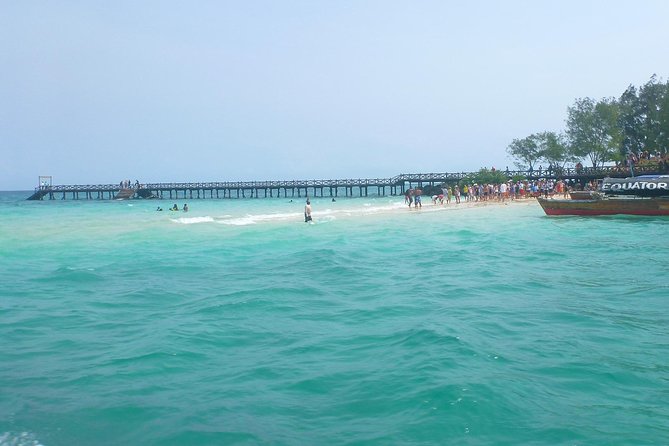
On the Prison Island side, the big draw is obvious: the famous giant tortoises. What’s less obvious (and more fun) is that Changuu is also a natural spot with a forest area and lots of birds, plus a beach where the scenery does the heavy lifting while you wait for your next stop.
The Stone Town portion is where the tour earns its keep. You’ll see famous names like Freddie Mercury’s birthplace and major churches, but the guide should also point out the smaller details that make the city feel lived-in: doorway clues, old market life, and the way different powers left their marks.
You can also read our reviews of more tours and experiences in Zanzibar.



Getting There Without Stress: Pickup, Small Group, and Timing
You get hotel pickup and drop-off, plus bottled water, which matters in Zanzibar heat. The tour runs about 5 hours, and that short window is why the stops are designed as quick visits rather than long museum-style sessions.
Group size is capped at 15, and there’s a minimum of 2 people per booking. That smaller cap often means you’re not stuck behind a crowd the whole time, but you should still plan on some walking—Stone Town is not a sit-and-stare kind of place.
A practical tip: if you can choose timing, aim for a morning start when possible. One review noted afternoon heat as a factor, and it matches what you’ll feel in Stone Town’s old streets.
Prison Island (Changuu Private Island): Tortoises, Forest Birds, and Snorkel Odds

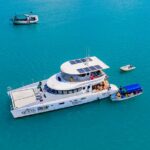
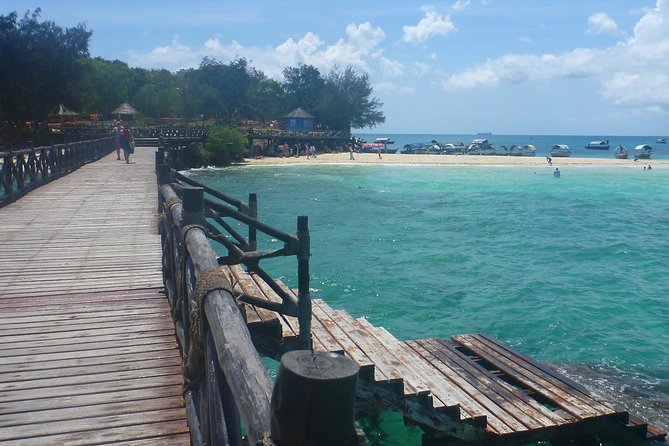
Prison Island starts with Changuu Private Island, reached by boat. The setting is part vacation, part history lesson: the island was used as a prison for enslaved people and later as a quarantine station for Zanzibar and the mainland. That mix can make the visit feel serious even while the beach and wildlife pull you toward awe.
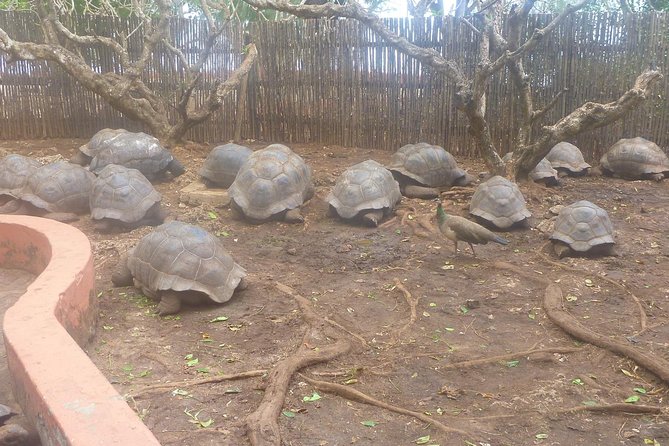
Once you’re there, the star attraction is the giant tortoise colony. This is the part you’ll remember in pictures: tortoises moving like they have time to spare, often with other birds around the island—one review even mentioned peacocks.
What else you should expect:
- A white-sand beach where you can reset after the boat ride
- A natural forest area with a variety of birds
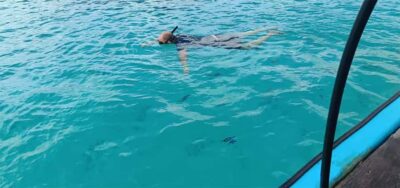
- Snorkeling near the island, depending on conditions
One important heads-up from real experience: some visitors were disappointed by plastic waste visible on the island. That doesn’t mean the tortoises aren’t worth seeing—it does mean you should go in with realistic expectations about how well the island’s environmental side is being kept in perfect shape.
Old Fort (Ngome Kongwe): How Portuguese and Omani Rivalries Still Show Up
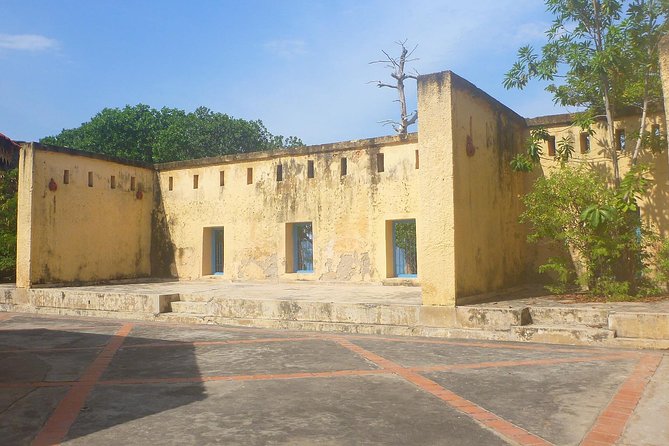
After Prison Island, you return to Stone Town for the Old Fort area, also known as Ngome Kongwe. The Portuguese Old Fort story here is a history of power changes, not just architecture.
The fort was built by Omani Arabs after expelling the Portuguese in 1699. Later, it served as a garrison and prison in the 19th century, and then it even became a terminal of the Zanzibar railways from 1945 to 1928—so the site has layers that jump between empires and modern infrastructure.
The details keep it interesting. A guardhouse built in 1947 was used as a ladies’ club, and an amphitheatre was added in the 1990s. That means you’re looking at a structure that kept changing roles as the city changed—exactly what makes Zanzibar feel different from places that only have one era preserved.
If you love history, you’ll likely enjoy this stop most when your guide connects the dots. If your guide is less energetic, this is still visually clear, but the “why it matters” part may feel thinner—so don’t be afraid to ask quick questions.
Forodhani Gardens and the Cathedral Stops: Where Stone Town Feels Alive
Forodhani Gardens is a short sightseeing pause. Even in a brief visit, it helps you get oriented in Stone Town, like a green breath before the denser old-town streets take over.
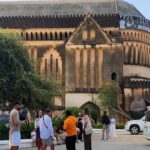
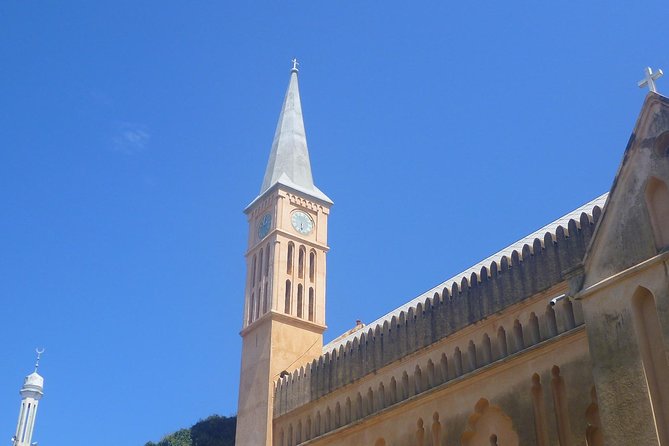
Then you hit St. Joseph’s Roman Catholic Cathedral. This is one of the most important historical buildings in Stone Town, and it’s still actively used by the local Catholic community, with masses on Sundays and occasionally on weekdays.
This stop is valuable for a simple reason: it shows that Stone Town isn’t just heritage tourism. Churches here function as real community spaces, not only photo backdrops. Take a moment to watch how people move through the space and you’ll feel the city as a living place.




Freddie Mercury Birthplace: A Pop-Culture Stop That Works for Real History
You’ll also visit the Freddie Mercury Museum area, which is in the actual house where Freddie and his family lived before moving to the UK. It focuses on his birth and early childhood in Zanzibar.
Two key points for planning:
- The museum admission is listed as not included, so you may need extra cash or a separate payment on arrival.
- Even if you skip the museum itself, the surrounding context can still be a fun bridge between global pop culture and local identity.
This is one of those stops where your guide’s framing matters. When the tour explains why Zanzibar mattered to Farrokh Bulsara’s early life, the museum feels less like a celebrity detour and more like a window into the city’s mix of cultures.
Gizenga Street and the “Everyday Zanzibar” Details You Might Miss Alone
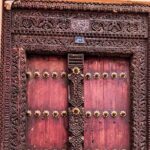
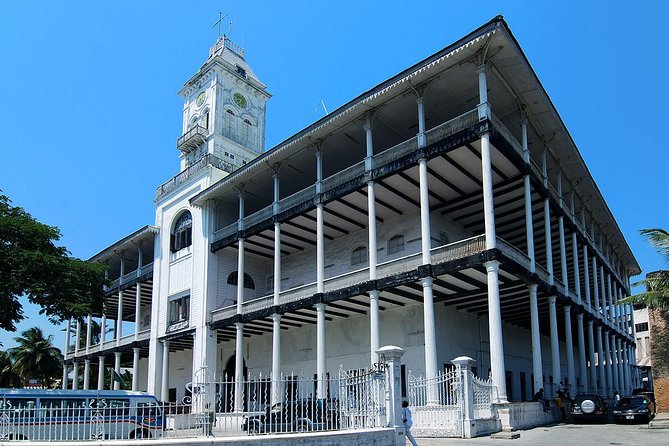
Gizenga Street is where the tour shifts from the headline sights into the texture of daily life. One of the most interesting details you can look for is the tradition of doors using distinctive brass studs linked to Indian influence—a small architectural clue that signals how trade and culture flowed through Zanzibar.
This stop also serves as a shopping-and-walking lane. You’ll pass shops where you can browse goods like antiques, pictures, traditional clothes, and various handicrafts. It’s also a good stretch break: you’re moving through narrower street life at a slower mental pace than the biggest monuments.
If you’re hoping to buy souvenirs, this is the moment to do it—don’t leave everything for after the tortoises unless you like rushing. And if you’re not shopping, you’ll still enjoy the “look closely” vibe: small details here are part of what makes Stone Town feel like a city, not a museum set.
Old Slave Market and Anglican Cathedral: A Hard Stop Done With Care
The Old Slave Market area and Anglican Cathedral are heavy topics, but the tour gives you the chance to understand them in context. The Anglican cathedral is described as a prominent example of early Christian architecture in East Africa, located in the center of the old town on the same big area that once held what was described as the biggest slave market of Zanzibar.
The cathedral’s construction was intended to celebrate the end of slavery. That message matters, because this stop isn’t meant to soften history. It’s meant to point at how long and how far the city’s story reached.
How do you make this stop land well? Give yourself a minute before you rush onward. If your guide frames it well, you’ll leave with more than photos. If they rush too fast, ask them to slow down—this is one place where it’s worth pushing for clarity and respect.
Darajani Bazaar: Spices, Produce, and Street Market Energy
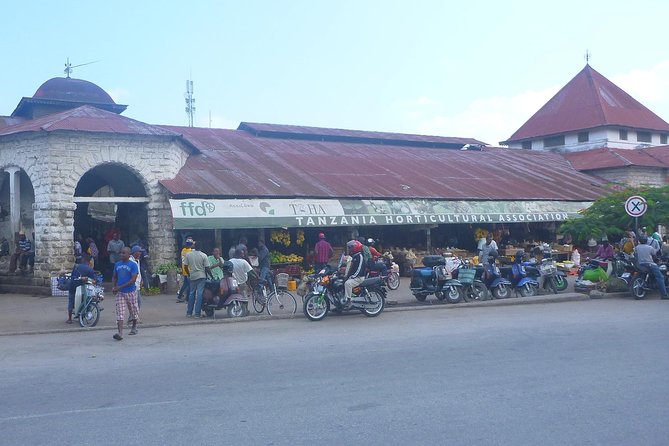
Darajani Bazaar is the classic old market area for fish, vegetables, fruits, and spices. This stop is short, but it helps you see how Zanzibar eats and trades, right in the heart of the city.
Even with a tight schedule, this can be the most sensory portion of the tour. If you’re the type who likes to learn by noticing—smells, stalls, how people negotiate, what’s being sold—you’ll appreciate this as more than a quick photo stop.
If you’re thinking about buying something, remember you haven’t been given unlimited time. Keep it simple: pick one or two items, verify what you’re getting, and save the bigger shopping for later in your own pace.
What Makes the Tour Feel Special: Guides, Pace, and Human Moments
This tour lives and dies on the guide. The best experiences seem to happen when the guide is not only explaining facts, but also telling stories in a way that helps you connect places.
I’ve seen examples of standout guiding: Mohamed was described as friendly and full of good detail on the Stone Town and Prison Island portions. Others like Yakop were praised for being flexible, including adjusting the tour when someone had difficulty walking. And guides such as Riz’one and Chicho were credited with strong explanations of Zanzibar’s history and taking people to the right sites without making it feel like a checklist.
That flexibility can matter for real people. If your group includes someone with mobility issues, it’s worth asking ahead whether the guide can adjust the walking pace. The tour does include multiple short stops, so nobody should pretend it’s fully step-free.
The pace is the trade-off. Some people wanted more time at major sites, and that’s the basic reality of a 5-hour window. You’re not seeing every street of Stone Town. You’re getting the high-impact route, designed to leave you energized for what you’ll do next.
Price and Logistics: Is It Good Value or Just a Bundle?
Let’s talk value in practical terms. Your $85 includes:
- Hotel pickup and drop-off
- Bottled water
- A professional guide (listed as art historian)
- Prison Island national park fees
- Prison Island admission ticket
- Several other sightseeing stops marked as free
What you pay extra for:
- Food and drinks
- Freddie Mercury Museum admission (not included)
If you tried to do Stone Town and Prison Island on your own, you’d still be paying for transport, the Prison Island entry system, and likely a guide at least for Stone Town. Bundling the park fees and guiding into one package is what makes this price feel reasonable, especially if it saves you from time-consuming planning.
If you’re the kind of traveler who loves slow wandering, you may feel boxed in by the stop structure. If you prefer guided direction that helps you see quickly and understand faster, this is a solid use of limited time.
Who This Tour Fits Best (and Who Might Want a Different Plan)
This tour is a strong fit if:
- You want a first-time Stone Town orientation with context
- You care about cultural layers, including Portuguese and Omani-era changes
- You’re excited about the giant tortoises and the natural feel of Changuu
- You like small-group guiding rather than a huge bus-style day
It may be less ideal if:
- You want long stays at each major site rather than short, guided stops
- You’re easily bothered by variable guide style from one operator to another
- You need a very quiet, low-walking day—this is still an active walking route through Stone Town
One more note: if your travel party has strict needs around language, double-check guide language ahead. Some experiences described communication mismatches, so you’ll feel better if expectations are clear before you meet the guide.
Should You Book This Stone Town and Prison Island Tour?
I’d book it if you want the most “bang” for a half-day: UNESCO Stone Town highlights plus the signature Changuu tortoise experience, with park fees and pickup handled. The guiding can be excellent, and when it clicks, it turns a fast route into a meaningful one.
Book with a small mindset adjustment. This is not a slow, linger-all-day tour. It’s a fast route with strong context. If you’re the type who always wants more time at the big sights, plan your next hours in Zanzibar to return to any place that hooks you.
My final checklist before you go:
- Wear comfortable shoes for Stone Town streets
- Bring sunscreen and keep drinking water
- Budget extra for Freddie Mercury Museum and your meals
- If you care about plastic waste at conservation sites, go in with realistic eyes on what’s visible
If that sounds like your style, this is a smart way to experience Zanzibar without spending your whole day on logistics.
FAQ
How long is the Stone Town and Prison Island tour?
The tour runs for about 5 hours.
What is the price per person?
The price is $85.00 per person.
What’s included in the tour price?
Included are hotel pickup and drop-off, bottled water, a professional art historian guide, and Prison Island park fees.
What is not included?
Food and drinks are not included. The Freddie Mercury Museum admission is also not included.
Is Prison Island admission included?
Yes. Prison Island national park fees are included, and the admission ticket for Prison Island is part of the tour.
Does the tour include Freddie Mercury’s house museum?
The visit to the Freddie Mercury Museum is included as a stop, but the museum ticket itself is not included.
What group size should I expect?
The tour has a maximum of 15 travelers, and there is a minimum of 2 people required per booking.
What if weather is poor or I need to cancel?
Good weather is required. If the tour is canceled due to poor weather, you’ll be offered a different date or a full refund. You can cancel for a full refund up to 24 hours before the experience’s start time.