REVIEW · ZANZIBAR CITY
Zanzibar: Baraka Turtle Aquarium Tour with Hotel Transfers
Book on GetYourGuide →Operated by Cocos Nucifera Tours and Safaris · Bookable on GetYourGuide
A morning of turtles in shallow lagoon water sounds simple. What makes this Baraka Natural Aquarium tour in Zanzibar special is the chance to swim with native turtles and watch them respond when you feed them, all in a natural lagoon setting.
I especially like that your ticket ties the fun to an actual conservation-style story: turtles are rescued and rehabilitated (including those bought from fishermen or injured) before release. The other big win is how smooth it is logistically thanks to hotel pickup and drop-off by car, so you can spend your time at the aquarium instead of negotiating transport.
One consideration: water contact isn’t risk-free. One experience included a turtle bite severe enough to require hospital care, and other swimmers reported minor injuries like scratches and bites. If you’re booking for kids, have low tolerance for risk, or bruise easily, plan to follow every instruction from the guide and keep your expectations realistic about getting in the water.
In This Review
- Key things to know before you go
- Getting to Baraka Turtle Aquarium: the Zanzibar hotel transfer you’ll actually appreciate
- Inside Baraka Natural Aquarium: turtles in a lagoon setting, not a sterile tank
- Swimming, feeding, and photos: how to get great turtle moments without overdoing it
- Sunscreen note you’ll want to take seriously
- The ethical side: what your ticket supports for rescued turtles
- Safety in the water: comfort, injury risk, and what to do if you get bitten
- Rain or shine: what changes when Zanzibar weather turns
- Timing and logistics: a short outing you can fit around your Zanzibar plans
- Price and value: is $80 per person worth it?
- Who should book this turtle tour in Zanzibar
- Should you book the Baraka Turtle Aquarium Tour?
- FAQ
- Where is this Zanzibar turtle tour located?
- Does the tour include hotel pickup and drop-off?
- How much does the tour cost?
- What is included in the ticket price?
- Are food and drinks included?
- What should I bring?
- Does the tour run in bad weather?
- Which languages are available for the guide?
Key things to know before you go
- Hotel transfers included means less hassle and more time at Baraka Natural Aquarium in Unguja South Region
- Swim and feed options let you choose how close you want to get and how active you want to be
- Touch is optional (you can keep distance for photos if that feels safer or calmer)
- Your ticket supports rehabilitation for turtles purchased from fishermen and for injured animals
- Rain or shine keeps this from turning into a weather roulette game
- Bring only a towel and keep sunscreen behavior in mind since on-site rules weren’t always strictly followed
Getting to Baraka Turtle Aquarium: the Zanzibar hotel transfer you’ll actually appreciate
This tour is built around convenience. You’ll get picked up at your accommodation in Zanzibar in the morning and driven by car to the Baraka Natural Aquarium. In practice, that matters because turtle time is the point, not transportation time.
The schedule is also easy to plan: you head out in the morning, spend the key hours at the aquarium, and return to your hotel early in the afternoon. Some people found the whole outing feels short once you factor in transfers, so it’s a good add-on if you’re also trying to fit beach time or Stone Town exploring into the same day.
Why I think this transfer setup is a value play: at Zanzibar prices, it’s often the hidden cost of getting to smaller conservation sites that adds up. Here, the ticket explicitly includes hotel pickup and drop-off, so you’re not hunting down a van, negotiating a price, or worrying you’ll be late.
A few more Zanzibar City tours and experiences worth a look
Inside Baraka Natural Aquarium: turtles in a lagoon setting, not a sterile tank
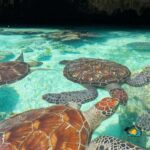
Baraka Natural Aquarium focuses on a lagoon habitat where native turtles have space to move. When you arrive, you use your included entry fee to access the sanctuary. From there, the whole tone is different from a typical zoo experience because you’re not just looking at turtles through glass.
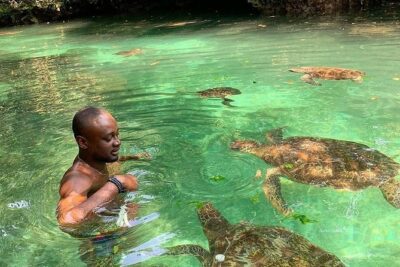
You’re in a natural lagoon area with clear, turquoise-leaning water. That’s the visual hook, but what you should really expect is behavior: turtles often approach when there’s activity, especially around feeding.
The big practical takeaway for your expectations: this is a sanctuary experience, not a guaranteed performance show. The best moments happen when you stay calm, let the guide guide you, and keep your body language low-key. If you came hoping for endless clear underwater swimming like a theme park attraction, you may feel slightly disappointed. Some people also noted that access to sea views wasn’t obvious, so don’t count on seeing a big open-ocean panorama from your spot.
Swimming, feeding, and photos: how to get great turtle moments without overdoing it
The core activities are simple and flexible. The tour gives you choices:
- Feed the turtles if you want the most interactive moment
- Snap photos from the lagoon area while they swim nearby
- Touch is allowed for some guests, though you can also keep more distance if you prefer
This is the part of the experience that tends to stick in your memory. Watching turtles swim up and react to treats is one thing, but it’s the combination of calm lagoon space plus guided timing that makes it work.
A smart way to get better photos is to treat the turtles like you’d treat wildlife: pause, observe, and avoid sudden movements. Feeding often creates the highest activity, so if you want a picture, plan to be ready during that window rather than trying to “discover” the perfect shot halfway through.
Also, pay attention to what the guide tells you about behavior in the water. One negative experience described a turtle bite during swimming and reported that other guests had injuries too, including scratches and bites. That doesn’t mean you shouldn’t go in, but it does mean you should treat the instructions as safety rules, not suggestions.
Sunscreen note you’ll want to take seriously
One review mentioned there were signs requesting guests don’t wear suncream (sunscreen), but enforcement wasn’t strict. Even if the rules vary by day, you can protect the water and the animals by taking them seriously. If you use any product, keep it minimal and follow posted instructions on-site. It’s an easy way to be a better guest in a sanctuary.
The ethical side: what your ticket supports for rescued turtles
What makes this tour more than a “cool animal photo” is the story behind the turtles. The sanctuary says turtles are there because of rescue and rehabilitation. Some are purchased from fishermen, and some arrive injured. The goal is to care for them and then release them back into the wild when ready.
This is the moral math you should do before booking. Yes, you’re paying $80 per person for an experience. But a big chunk of that cost is tied directly to entry, guided access, and supporting a local rescue process rather than just passively viewing animals for entertainment.
In the best-case versions of this experience, the guide explains why the turtles are there and what rehabilitation and release involves. That guidance can also shape your behavior in the lagoon. When you understand the stakes, you’re more likely to be patient, respectful, and less pushy around feeding or touching.




Safety in the water: comfort, injury risk, and what to do if you get bitten
Let’s talk safety plainly, because this tour includes optional swimming and optional touching.
The information you have to work with includes both positive and alarming reports. A clearly negative account described a significant turtle bite during the swim, followed by medical attention at a hospital. That same incident noted antiseptic cleaning by the guide but also described the guide as casual, which can be unsettling if you’re the one dealing with pain. That person also said other guests reported injuries ranging from scratches to bites, suggesting it wasn’t a one-off.
On the other side, other participants felt the experience was ethical and well-managed, and they described plenty of space for turtles to hide if they didn’t want interaction. Another person said the water didn’t look dirty and that turtles voluntarily swam up to them.
So how do you weigh this? Here’s a practical approach:
- If you’re prone to panicking with stings or bites, you might prefer keeping distance and focusing on feeding and photos rather than swimming directly.
- Treat your first minutes in the water as a scouting phase: let the guide position you, and don’t rush closeness.
- Keep your expectations realistic. Even “friendly” turtles are still wild animals. Touching or feeding increases interaction, which also increases the chance of accidental bites or scratches.
And if anything does happen, you want calm follow-through. The tour provided antiseptic in at least one incident, but a bite can still require medical care. If you’re booking this day, consider pairing it with a plan that won’t ruin your entire itinerary if you need time to deal with an injury.
Rain or shine: what changes when Zanzibar weather turns
The tour runs rain or shine, which is useful because you’re not stuck waiting for perfect conditions. It also means you should treat this as a wet activity from the start.
What stays the same: you’ll still go by car from your hotel, still enter the sanctuary, and still have guided access to the lagoon area. What changes: water visibility and comfort. In heavy rain, the water can feel cooler and the experience can be slightly messier, even if it stays fun.
Your packing list is refreshingly short. Bring a towel so you can dry off when you return to your day. If you’re the type to bring extra protection, stick to what the sanctuary asks. Avoid assuming you can use any product you want in the water area.
Timing and logistics: a short outing you can fit around your Zanzibar plans
The tour is structured for mornings and early afternoons. That helps you avoid the “all day gone” problem that some animal tours create.
Here’s how it fits into a typical Zanzibar day:
- Morning pickup means you beat the hottest part of the day
- Aquarium time happens before you need to scramble for lunch
- Early afternoon return gives you room for beach time, a casual seafood meal, or a second activity without feeling rushed
If you’re staying in Stone Town, you’ll likely build in some extra travel buffer even though the outing can feel fairly quick. The key is that transfers are included, so your main variable becomes the timing you set internally: when you want to swim, when you want photos, and how long you linger after feeding.
Price and value: is $80 per person worth it?
At $80 per person, this isn’t a budget activity. You should decide based on what you value:
You’re paying for three things at once:
- Hotel pickup and drop-off (so you don’t self-arrange transport)
- A guide and included entry fee
- Access to a turtle sanctuary experience with a real lagoon setting and rescue context
If what you want is purely photos from dry land, you might feel the price is steep—especially if the water access or viewing angles don’t match your expectations. One comment noted that sea access wasn’t visible at all, which hints at the importance of knowing what you’re actually seeing from your spot.
If you want interaction—feeding, optional touch, and swimming—the value improves because the experience is more hands-on. One family described a calm time with turtles they could feed, plus helpful explanations from the guide.
Where your personal value judgment gets tricky is safety and duration. Some people found the outing short, like 1.5 to 2 hours including transfer. If your time expectations are high (for example, you want a long guided swim session), the tour might feel brief. If you want a focused half-morning turtle experience with easy logistics, it can feel worth it.
Who should book this turtle tour in Zanzibar
This tour makes the most sense for you if:
- You want an animal sanctuary experience in Zanzibar, not a bus-and-board a generic zoo trip
- You enjoy hands-on wildlife moments like feeding and close observing
- You’re okay following guide instructions to keep both you and the turtles safe
It’s a weaker fit if:
- You’re extremely risk-averse about bites or scratches
- You’re expecting wide-open ocean views or a dramatic “sea” setting
- Your priority is food, comfort amenities, or long downtime (because food and drinks aren’t included)
For families, it can work well when the guide keeps things structured and guests follow safety guidance. For solo travelers who love photography, it’s also appealing because turtles can approach and you can choose a calmer distance if you want.
Should you book the Baraka Turtle Aquarium Tour?
Book it if you want a short, guided Zanzibar experience where you can feed and photograph native turtles while your money supports rehabilitation and release. The hotel transfer and included entry make it an easy day to plan.
Skip or reconsider if you’re not comfortable with potential animal contact. The presence of bite and injury reports is the deciding factor for risk tolerance. If you book anyway, plan to keep your distance if you feel unsure, follow all on-site rules (especially around sunscreen), and treat the lagoon as their home, not a controlled attraction.
If you’re on the fence, this is one of those tours where your best decision comes from matching your expectations: sanctuary learning and gentle interaction, not guaranteed ocean spectacle and not a zero-risk swim.
FAQ
Where is this Zanzibar turtle tour located?
The tour takes place in Zanzibar, in the Unguja South Region, at the Baraka Natural Aquarium.
Does the tour include hotel pickup and drop-off?
Yes. Hotel pickup and drop-off by car are included.
How much does the tour cost?
The price is $80 per person.
What is included in the ticket price?
It includes hotel pickup and drop-off, a guide, and the entry fee.
Are food and drinks included?
No. Food and drinks are not included.
What should I bring?
Bring a towel.
Does the tour run in bad weather?
Yes. It takes place rain or shine.
Which languages are available for the guide?
The tour is available in English, Italian, Spanish, and French.