REVIEW · KENDWA
Spice Farm – spice up your life in Zanzibar
Book on GetYourGuide →Operated by AMAYA TOURS COMPANY LIMITED · Bookable on GetYourGuide
Spices have a smell you can’t forget. This popular Zanzibar excursion takes you out of town into villages and plantations where a friendly guide helps you identify and taste the herbs and spices that made the island famous. I especially love the hands-on smell-and-taste part, not just a quick look at plants.
My second big favorite is the traditional lunch made in a local kitchen, served with distinctive Zanzibar fruits. The only caution I’d flag is simple: because pickup is part of the package, you should confirm your pickup details the day before so you’re not left waiting.
In This Review
- Key highlights to look for
- Why Zanzibar’s spice farm tour is worth your time
- Getting to the plantations: hotel pickup and rural pace
- Meeting the spice plants and learning to smell the difference
- Fruit tastings that show why Zanzibar agriculture matters
- Spices in food and medicine: what the guide explains
- The farm lunch: a traditional Zanzibar meal with local fruit
- Bringing spice gifts home without the guesswork
- Price and what you really get for $60
- Language and guide style: friendly explanations that stick
- Who this tour suits (and who should think twice)
- Should you book Spice Farm in Zanzibar?
- FAQ
- Where is the Spice Farm tour located?
- How much does the tour cost?
- What’s included in the price?
- What languages is the tour offered in?
- Can I reserve and pay later?
- What is the cancellation policy?
- What can I expect to see and taste during the tour?
Key highlights to look for
- Aroma-led spice introductions so you learn by scent, not just names
- A long list of spices and herbs you can taste and smell during the walk
- Fresh tropical fruit tastings tied to the local farming story
- A traditional farm lunch spiced with local herbs and cooked on-site
- Spice shopping for gifts to bring the island home
Why Zanzibar’s spice farm tour is worth your time
Zanzibar’s spice story is practical, not just romantic. In past centuries, the island’s cloves, nutmeg, cinnamon, and other crops were so valuable that trade routes formed around them, and the plants you see today are part of that legacy. On this tour, you don’t just hear the history of the Spice Trade. You walk through it, plant by plant, with your senses doing the heavy lifting.
I like how the experience stays grounded in everyday rural life. You’re guided through plantations and village areas where farmers share what grows there and how it’s used. That’s the moment it clicks: spices aren’t museum pieces. They’re crops with culinary and medicinal roles, grown in real conditions, by real people.
There’s also a lot of variety packed into a single outing. You’ll meet multiple spices and herbs, then shift into tropical fruits, and then finish with a lunch built around local flavors. It’s a full-flavor day that breaks up a holiday routine fast.
You can also read our reviews of more tours and experiences in Kendwa.



Getting to the plantations: hotel pickup and rural pace

This tour includes hotel pickup and drop-off, which is a big deal in Zanzibar where getting from the coast to rural areas can be time-consuming on your own. The package also includes bottle water, which matters once you’re walking around in warm, humid conditions.
The rural pace is part of the point. Expect a slower rhythm than city sightseeing, with time spent outdoors and with your guide explaining what you’re seeing. If you don’t love farm-style walks, wear sturdy shoes and plan to spend real time standing and looking at plants, not just snapping photos.
Meeting the spice plants and learning to smell the difference
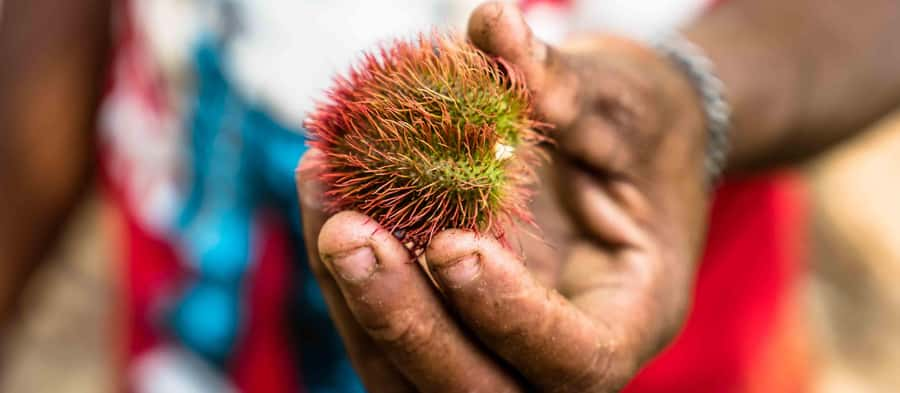
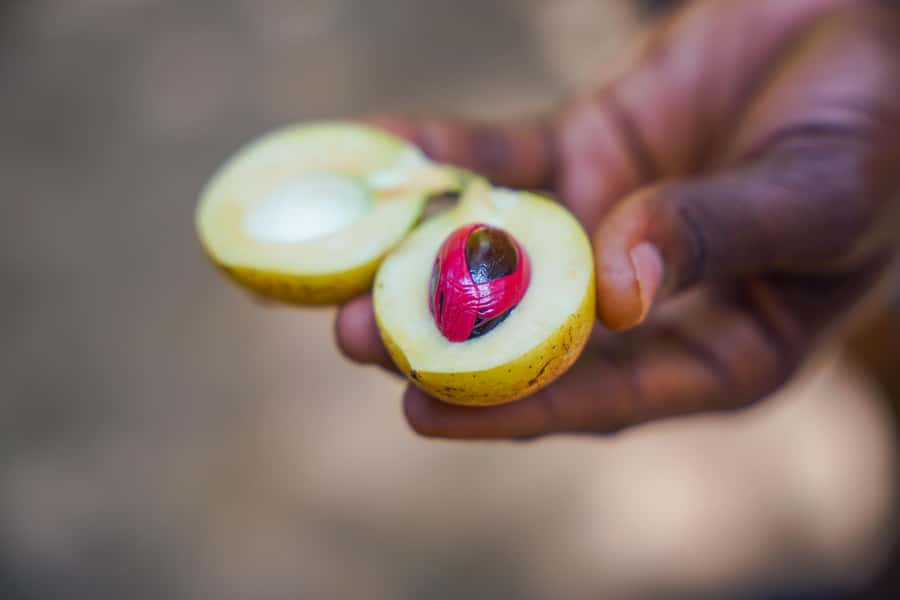
The heart of the day is learning how spices actually feel and smell. Your guide leads you through plantations where farmers let you discover, taste, and smell a wide range of crops. The spice list includes classics like cloves, cinnamon, nutmeg, and also more “everyday” herbs you might not expect to grow locally in quantity.
During the walk, you’ll get exposed to spices such as:
- vanilla, ginger, cumin, pepper
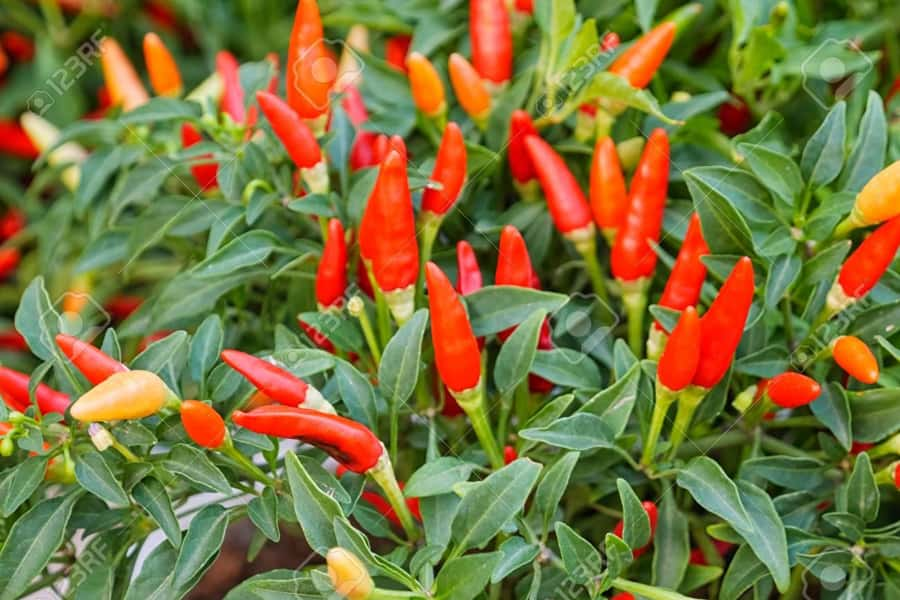
- lemon grass, ylang-ylang, tamarind, chili
- and additional spices and herbs mentioned on the route
What I like is the approach: you’re not just reading labels in the field. You’re comparing aromas, and you can connect those scents to food and daily life. That makes the learning stick, especially if you’ve never cooked with these ingredients before.
Also note the guide tone. The experience is described as informative and competent, with guides sometimes adding humor along the way. That keeps the tour from feeling like a school lecture and makes long scent sessions easier to handle.
Fruit tastings that show why Zanzibar agriculture matters
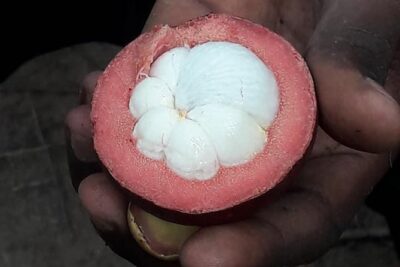
Spices get most of the attention, but the fruit tastings are where you feel the island’s climate. You’ll taste freshly picked tropical fruit such as mangoes, passion fruit, avocado, papaya, and local grapefruits, plus bananas, pineapples, and more.
Why does this matter? Because fruit farming and spice farming sit side-by-side in Zanzibar’s agricultural world. When your guide ties fruit flavors to local harvesting and everyday uses, you start understanding the broader system: what grows well, what’s harvested first, and how farmers think about flavor.
If you enjoy markets and tasting experiences, this part is worth leaning into. Try the fruits slowly, not quickly. A good guide will help you notice differences between what you know from home and what Zanzibar does with it.
Spices in food and medicine: what the guide explains
A standout feature here is the explanation that connects spices to real usage. As you move through the plantation areas, your guide discusses both culinary and medicinal uses of spices and herbs. That’s not just trivia. It gives you a reason to care about why farmers grow these plants and how traditional knowledge shapes daily decisions.
In practice, you’ll hear how spices show up in cooking and how people historically used certain herbs for health and everyday wellbeing. Even if you’re skeptical about medicine claims you’ve heard elsewhere, the tour’s value is that it’s grounded in local explanations tied to what you’re seeing right then.
This section is also where the tour often feels most memorable. Once you connect a smell to a story about use, it’s harder to forget. And if you’ve ever bought spices abroad and wondered what to do with them, this part helps you walk away with better instincts for cooking.






The farm lunch: a traditional Zanzibar meal with local fruit
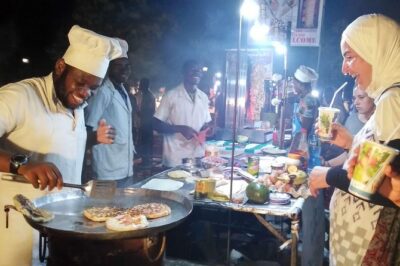
Lunch is included, and it’s one of the main reasons this tour earns such consistent praise. You’ll savor traditional Zanzibar cuisine spiced with local herbs, cooked in a local kitchen at the farm.
The “spiced with local herbs” detail matters because the flavors tend to follow Zanzibar’s style, not generic tourist cooking. Based on the way the meal is described, it’s served with attention to presentation while still fitting the theme of the day. In other words: you’re not just handed food. You’re eating as part of the spice story.
If you’re the kind of person who likes to eat what you learn, this lunch will click. And since you’ve already tasted fruits earlier, you’ll be able to connect the flavors across the day instead of treating lunch like a separate event.
Bringing spice gifts home without the guesswork
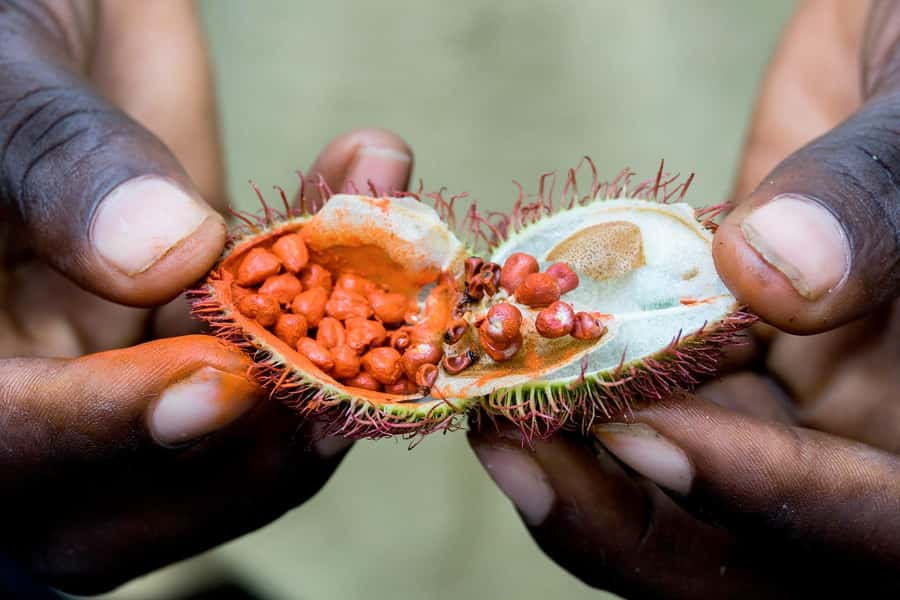
One of the easiest wins on this tour is that you can buy spices as gifts. After you’ve smelled and tasted multiple plants, shopping becomes less random. You’ll know which flavors you liked and why, so you’re buying from informed taste rather than guessing from a jar.
If you’re sending gifts home, focus on whole spices or mixes that match what you enjoy. This tour helps you narrow your choices so you don’t end up with a pantry full of things you’ve never used.
Practical tip: if you’re planning to pack spices, treat them like fragile items in your bag. Keep them sealed, and protect them from spills and heat as much as you can.
Price and what you really get for $60
At $60 per person, this isn’t the cheapest excursion in Zanzibar, but it’s also not overpriced when you break down what’s included. You’re paying for:
- hotel pickup and drop-off
- a local lunch at the farm
- all taxes, fuel surcharges, and service fees included
- bottle water
You’re also paying for a guided experience built around tasting and explanation across both spices and fruits. In other words, the cost isn’t just transportation. It’s the hands-on learning, the lunch, and the time with a guide.
If you’re already budgeting for a guided farm visit plus a proper meal, the value improves. If you only wanted a quick photo stop and don’t care about learning uses of herbs, then yes, you might feel the price. But if you want a day that feeds your senses and gives you usable take-home knowledge, this price can make sense.
Language and guide style: friendly explanations that stick
The tour is offered in multiple languages: English, Italian, German, French, and Russian. That matters because the explanations are a big part of why this experience lands well.
A common theme in positive feedback is that guides handle both information and delivery well, sometimes with humor. That’s useful in a spice tour because it’s easy to get overwhelmed by names. A guide who can pace the information and keep things human helps you remember what each scent means.
Who this tour suits (and who should think twice)
This is a great fit if you:
- want more than beach time and shopping
- love tasting experiences where you learn by smell
- enjoy traditional food and local kitchen meals
- are the type of person who buys spices and actually wants to use them
It may be less ideal if you:
- dislike rural settings or farm walking
- want a strictly short, low-effort outing
- prefer a purely visual tour with minimal tasting
Also, keep your expectations realistic. This is not a theme park. It’s a working agricultural environment, so you’re spending time outdoors and participating in a sensory, guided routine.
One more practical note: hotel pickup is included, and pickup matters. I suggest you confirm the pickup details the day before and keep your contact info accessible. One bad experience listed a promoter not showing up and issues reaching the organizer by phone or email, and that’s the kind of hassle you can reduce with a quick reconfirmation.
Should you book Spice Farm in Zanzibar?
I’d book it if you want an authentic, flavor-first day that teaches you something you can use at home. The strongest reasons to choose this tour are the hands-on spice learning, the delicious included farm lunch, and the chance to taste both spices and fruits in a rural setting that explains Zanzibar’s spice role.
Skip it if you’re only looking for scenery and don’t care about tasting or cooking connections. Also, if you’re the type who gets anxious about timing, plan to confirm pickup details so the experience stays enjoyable from the start.
If you do book, go in hungry, wear good shoes, and let your senses lead. That’s where the tour really pays off.
FAQ
Where is the Spice Farm tour located?
It’s in Unguja South Region, Tanzania (Zanzibar).
How much does the tour cost?
The price is $60 per person.
What’s included in the price?
Hotel pickup and drop-off, a local lunch at the farm, bottle water, and all taxes, fuel surcharges, and service fees are included.
What languages is the tour offered in?
The tour is available in English, Italian, German, French, and Russian.
Can I reserve and pay later?
Yes. You can reserve and pay later, booking your spot and paying nothing today.
What is the cancellation policy?
You can cancel up to 24 hours in advance for a full refund.
What can I expect to see and taste during the tour?
You’ll visit villages and plantations connected to Zanzibar’s spice trade history, taste and smell spices and herbs, sample freshly picked tropical fruits, and enjoy a traditional Zanzibar lunch spiced with local herbs.