REVIEW · ZANZIBAR ARCHIPELAGO
SAFARI WILDLIFE FROM ZANZIBAR TO MIKUMI 3 DAYS AND 2 NIGHTS
Book on GetYourGuide →Operated by Host zanzibar tours & Safaris · Bookable on GetYourGuide
Safari time starts on the water. This 3-day, 2-night trip is a smart mix of wildlife viewing at Mikumi and Masai culture, delivered at a slower pace than flying. I like that it’s built around Tanzania’s real travel rhythm with a private group and professional guide support, not a frantic hop-on/hop-off schedule. One thing to consider: you’ll spend a big chunk of Day 1 (and again Day 3) on the Zanzibar-to-Dar es Salaam ferry and the train to Morogoro, so it’s not a quick weekend getaway.
Mikumi National Park is grassland country, which means good visibility and plenty of chances to spot animals without needing luck-based scanning forever. You’re also working with a schedule designed for sightings, including early starts and a second chance later in the day when animals change their behavior. The one drawback is that if you’re chasing rarer species like rhinos or cheetahs, the itinerary can’t guarantee those sightings, since they are difficult to find in this type of safari rhythm.
What makes this experience especially appealing is the combination: two-wheel safari energy (jeep drives and high-spot areas) plus culture time with a Maasai village visit. And yes, the transportation route is unusual in a good way: ferry to Dar es Salaam, then a train to Morogoro, then a drive into the park.
In This Review
- Key Points at a Glance
- Getting From Zanzibar to Mikumi Without Rushing the Trip
- Day 1: Ferry to Dar es Salaam, Train to Morogoro, and Maasai Culture
- Day 2: The Full Mikumi Game-Drive Day, Plus Hippos and Crocodiles in Warm Sun
- Day 3: Returning by Train and Boat
- What Wildlife You Should Plan For in Mikumi National Park
- Lodge, Meals, and Pace: Where the Comfort Fits the Safari
- Price and Value: What $750 Really Covers
- Practical Tips for Maximizing Your Mikumi Sightings
- Should You Book Safari Wildlife from Zanzibar to Mikumi?
- FAQ
- How long is the safari from Zanzibar to Mikumi?
- What time does the ferry from Zanzibar depart?
- How do you travel from Dar es Salaam to the safari area?
- How much safari time do you get in Mikumi?
- What animals can you see in Mikumi National Park?
- Is Maasai culture included?
- Are meals and drinks included?
- What languages are available for the live guide?
Key Points at a Glance
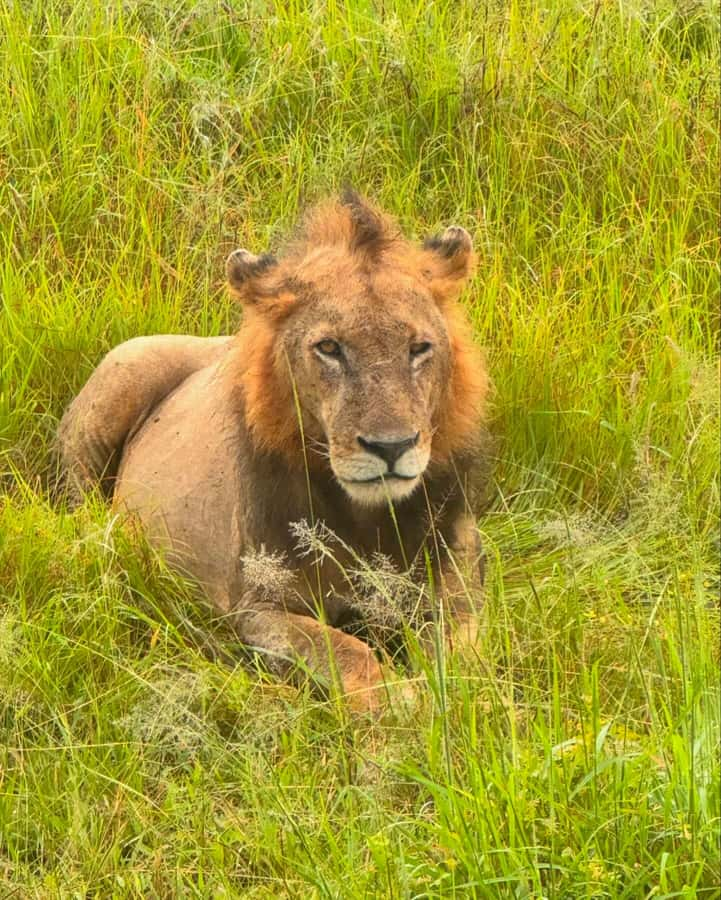
- Grassland visibility in Mikumi National Park helps you read the terrain and spot animals faster
- A full game-drive day gives you morning and afternoon viewing, not just one short outing
- Breakfast inside the safari routine and lodge stops help you stay focused instead of exhausted
- Hippos and crocodiles timing is better planned later in the day when the sun warms them up
- Masai village cultural tour adds more than photos to your trip
- Private group format keeps the experience personal and easy to manage across long transfers
Getting From Zanzibar to Mikumi Without Rushing the Trip
This tour’s big idea is simple: use the journey as part of the adventure, rather than treating transport like a necessary evil. You start with a ferry from Zanzibar to Dar es Salaam and then switch to a high-speed train to Morogoro. That means you get a real change of scenery and a calmer pace than a flight-and-transfer sprint.
You’ll also appreciate what this does for your safari timing. Instead of arriving exhausted at the last minute, you build into the trip gradually—ferry in the morning, train late morning into early afternoon, then the drive onward. It’s a travel style that tends to improve your focus once you’re in Mikumi.
You can also read our reviews of more tours and experiences in Zanzibar Archipelago.
Day 1: Ferry to Dar es Salaam, Train to Morogoro, and Maasai Culture
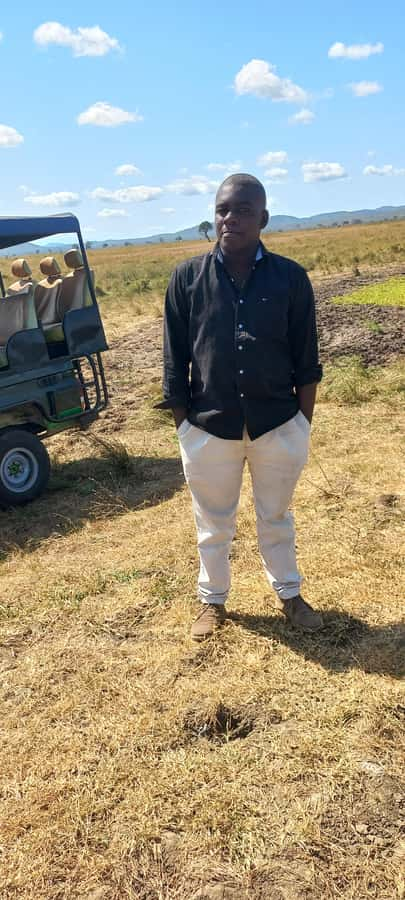
Day 1 starts early: you take the boat from Zanzibar at 7:00, reaching Dar es Salaam around 8:30. The railway station is close to the ferry, which helps keep the changeover smooth. By 9:30, you’re on the high-speed train heading toward Morogoro, arriving around 11:10.
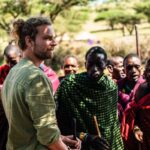
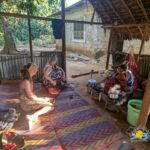
From Morogoro, you drive to Mikumi National Park and usually reach it in the afternoon. Then it’s lunch at the lodge, followed by a Masai culture tour. That cultural visit is a great way to switch gears after travel—before you lock into the wildlife-heavy Day 2.
One reason I like this sequencing: you don’t spend all day staring out a window waiting for the first animal. You get time to settle, eat well, and still fit in the human side of Tanzania. It’s also where you’ll often get context from the guide—stories, explanations, and practical info on what you’re likely to see once you’re out in the park.
Day 2: The Full Mikumi Game-Drive Day, Plus Hippos and Crocodiles in Warm Sun
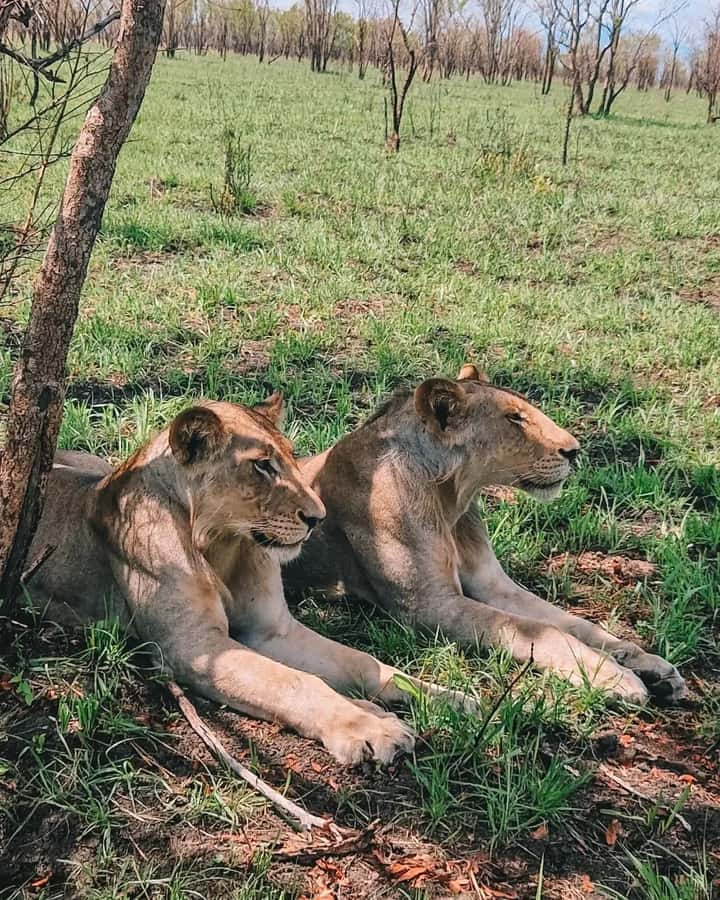
This is the day that does the heavy lifting. Your safari-style game drive starts early, around 6:00, when animals are more active and visibility is often better. Mikumi’s grasslands are well-suited to this kind of morning driving, because you can spot movement without spending your whole time doing frantic zooming.
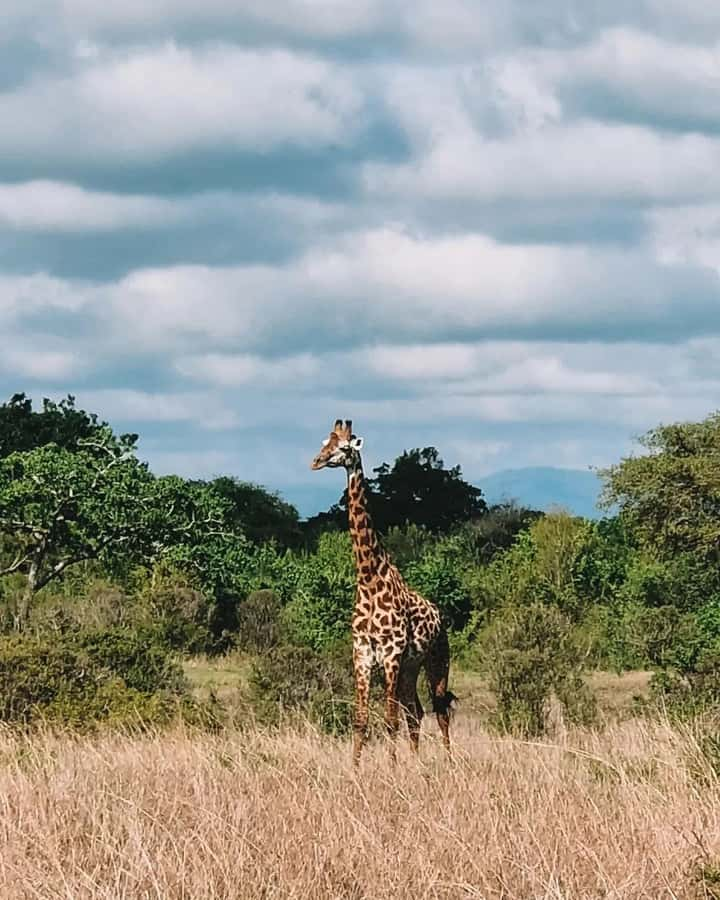
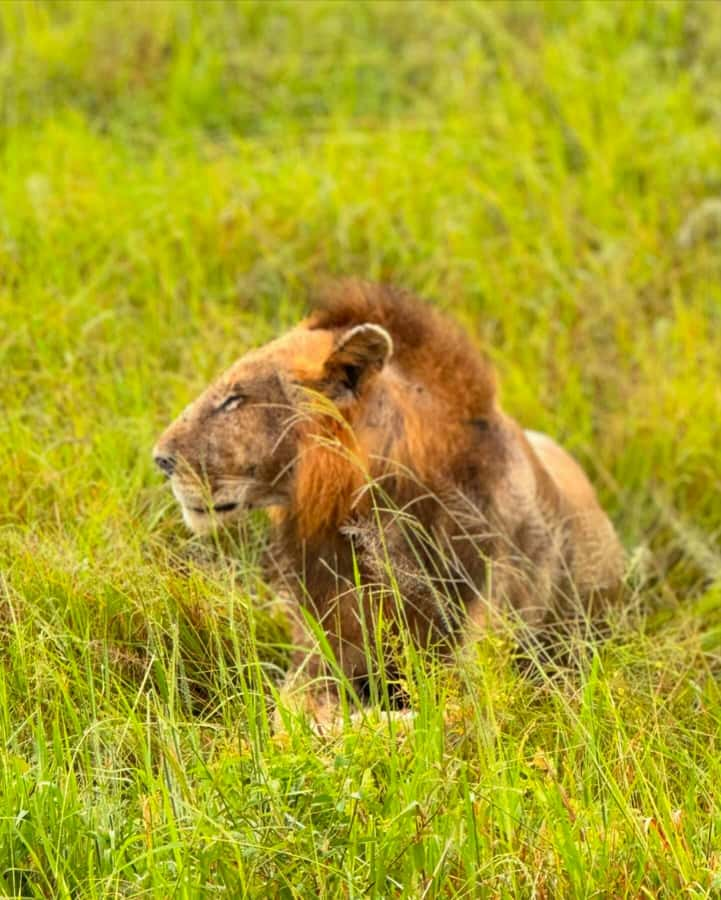
During this morning block, you’re aiming for the big names: lions, leopard, elephant, giraffe, and other grazing animals like zebra and antelope. The itinerary also explicitly includes buffalo, plus plenty of birds you’ll notice once your eyes adjust to the savannah rhythm.
You then stop for breakfast in the savannah, which matters more than it sounds. Eating outside the car helps you recharge, stretch your legs, and reset your attention. It’s also a nice pause where you can watch how the landscape changes between morning and midday.
After breakfast, you continue with the game drive, and lunch is at the lodge located in the middle of the national park. That detail is valuable because it reduces the amount of back-and-forth driving you’d otherwise do.
Here’s the practical safari tip built into the schedule: in the afternoon, it’s a good time to focus on hippos and crocodiles. The logic is behavior-based—warming up in the sun helps them regulate their body temperature, so later daylight can mean more activity and easier viewing.
Then you finish with an evening game drive. Evening is often where you catch changes: animals reposition, predators may become more visible, and the whole park feels different in color and sound.
If you’re trying to maximize sightings, this day is the one you should protect. Don’t plan to cram in extra side trips—let Mikumi be the main event.
Day 3: Returning by Train and Boat
Day 3 moves you back the same way, just in reverse. You take the train early from Morogoro to Dar es Salaam, then connect to the boat back to Zanzibar. The key point is that it’s still a full travel day, just without the wildlife time pressure of Day 1.
This matters if you’re deciding how to structure the rest of your Zanzibar stay. I’d treat Day 3 as a day for recovery: plan for an easy evening back on the island and avoid booking anything that depends on you being fully alert the moment you land.
What Wildlife You Should Plan For in Mikumi National Park
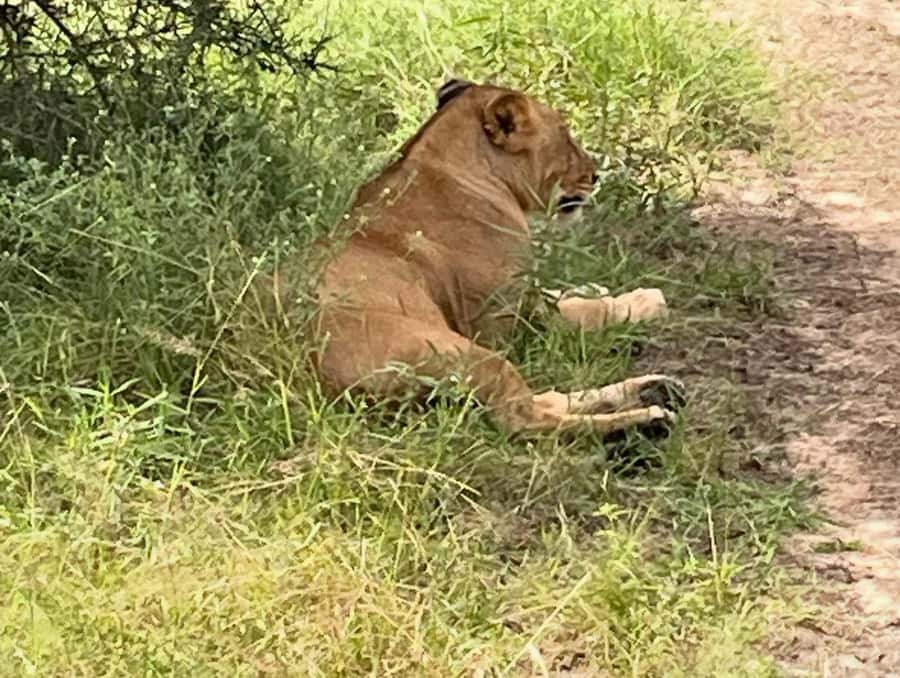
Mikumi is a grassland national park with very good visibility, and that affects what kind of sightings feel likely. Instead of only hoping for a rare sighting that happens at exactly the right time, you’re driving through terrain that’s built for scanning and spotting.
Based on what this safari is set up to look for, you can plan around these animals:
- Lions
- Leopard
- Elephants
- Buffalo
- Giraffes
- Zebra
- Antelopes
- Hippos
- Crocodiles
- Birds (lots of them)
A balanced expectation helps. Even with good visibility and smart timing, sightings aren’t guaranteed—especially for species that are harder to locate. One practical note from real safari experience: if you’re specifically hoping for rarer animals like rhinos or cheetahs, treat it as a bonus rather than a promise.
If you do keep that mindset, you’ll enjoy what Mikumi tends to deliver: steady, varied wildlife encounters across both the morning and afternoon game-drive windows.
Lodge, Meals, and Pace: Where the Comfort Fits the Safari
You’re not surviving on dry snacks and hope. The package includes 2 nights in lodges, plus all meals and non-alcoholic beverages. You also have entrance fees covered, so you’re not juggling paperwork while you’re trying to watch for movement.
The pacing is also worth praising. Day 2 is structured around wildlife, with breakfast and lunch that keep you in a safari mindset instead of turning the day into a long, uncomfortable slog. The itinerary even accounts for the best time to see hippos and crocodiles, which is the difference between a random afternoon drive and a day with a real plan.
One detail to know: Day 1’s overnight is at the lodge, while Day 2’s overnight is at a hotel in Morogoro town. That can be helpful if you like a shift from park time to town comfort after a full safari day.
Price and Value: What $750 Really Covers
At $750 per person for 3 days and 2 nights, the value comes from what’s included—not just the safari.
You’re paying for:
- Ferry from Zanzibar to Dar es Salaam and return
- High-speed train transfers to Morogoro and back
- All transfers
- Two nights in lodges/hotel
- All meals and non-alcoholic beverages
- Admission fees
- Maasai village visit
- Professional guide services
- A 4-wheel safari car for game drives
So you’re not just buying a park ticket. You’re buying a transport-and-safari package that stitches together Zanzibar, Dar es Salaam, Morogoro, and Mikumi in one organized flow. For many visitors, that’s where the savings appear: you avoid trying to piece together ferry times, train timing, transfers, and park logistics on your own.
Also, this is a private group. That typically means you’re not squeezed into the tightest possible schedule for a mixed crowd, which matters when your days already include long travel legs.
Only one type of mismatch stands out: this experience is not suitable for wheelchair users, so plan another option if mobility access is needed.
Practical Tips for Maximizing Your Mikumi Sightings
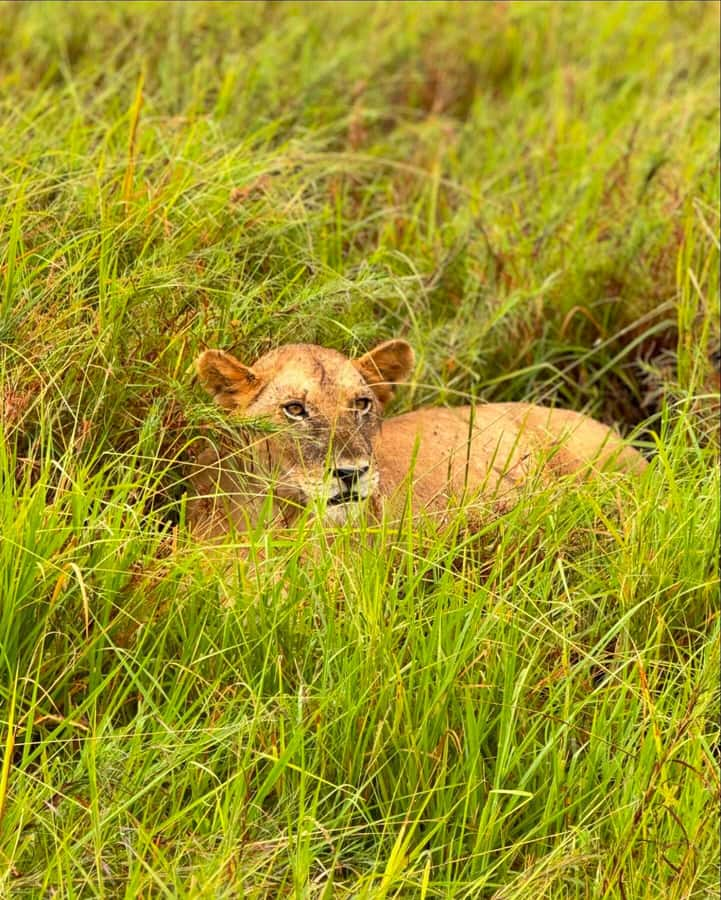
Here’s how to make the most of a safari day designed for visibility and timing.
Start early, stay present. A 6:00 game drive is your best window. If you sleep through it, you lose the calm early-light conditions that help animals appear without you fighting glare and heat.
Think behavior, not just species lists. The schedule’s focus on hippos and crocodiles later in the day is a big clue. Use the afternoon to watch water edges and sun-facing spots, not just to chase any animal you see from a distance.
Bring for sun and warmth. Even without specific gear requirements listed, the itinerary clearly uses sunlight timing as a viewing tool. Plan for hot conditions, then use your lodge breaks—breakfast and lunch—to reset.
Give your guide room to work. This tour runs with a live guide in many languages (English, French, German, Spanish, Italian, Czech, Slovenian, Arabic, Dutch, Korean, Romanian, Hungarian). In real safari terms, that matters because the best viewing often depends on reading tracks, understanding where animals tend to be, and adjusting the route without you feeling rushed.
And it helps that the guiding style seems to land well. In past experiences with this operator, guides like Mohammed have been praised for sharing lots of information, while drivers such as Abdul have been described as fun and focused on keeping people feeling secure throughout the drives. Another guide name you may hear is Tayc, known for making the adventure feel smooth and enjoyable.
Should You Book Safari Wildlife from Zanzibar to Mikumi?
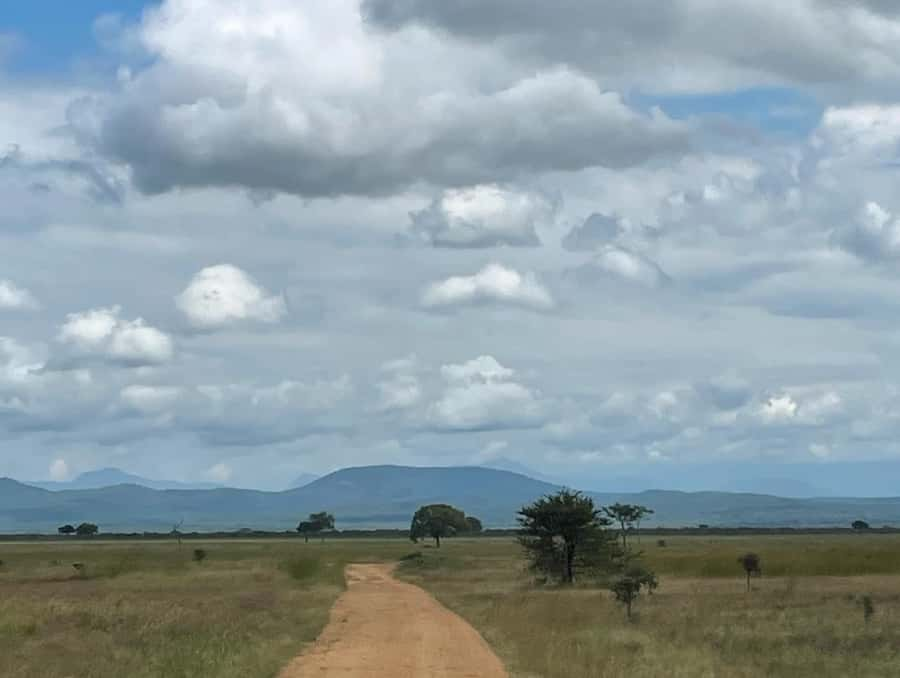
Book it if you want a Tanzania wildlife safari that’s built around real planning: two game-drive blocks, a full culture stop, included meals, and a transport route that avoids the constant stress of short transfers. If you like the idea of arriving by ferry and train and letting the day unfold, this tour fits that travel style.
Don’t book it if you need a short, low-travel itinerary, or if mobility access is required, since it’s not suitable for wheelchair users. And if your must-see list includes very hard-to-locate species, treat those sightings as wish-list items, not the core promise.
If you’re aiming for a strong shot at lions, elephants, giraffes, hippos, and crocodiles, with good visibility and a schedule that makes sense, this is a solid choice.
FAQ
How long is the safari from Zanzibar to Mikumi?
It runs for 3 days and 2 nights.
What time does the ferry from Zanzibar depart?
The ferry departs Zanzibar at 7:00 and arrives in Dar es Salaam at about 8:30.
How do you travel from Dar es Salaam to the safari area?
After arriving in Dar es Salaam, you go to the railway station nearby the ferry and take a high-speed train to Morogoro.
How much safari time do you get in Mikumi?
You have a full day game drive in Mikumi on Day 2, with early morning starts, breaks for meals, and continued drives into the afternoon and evening.
What animals can you see in Mikumi National Park?
The safari is set up for sightings such as lions, elephants, buffalo, giraffe, zebra, antelope, hippos, crocodile, leopard, and birds.
Is Maasai culture included?
Yes. You visit a Maasai Village as part of the experience.
Are meals and drinks included?
Yes. The tour includes all meals and non-alcoholic beverages.
What languages are available for the live guide?
The live guide is available in English, French, German, Spanish, Italian, Czech, Slovenian, Arabic, Dutch, Korean, Romanian, and Hungarian.