REVIEW · ZANZIBAR CITY
Day trip Safari to Mikumi National Park
Book on Viator →Operated by Mo Tours & Safaris · Bookable on Viator
Early starts, big safari energy. This day trip is a smart way to get from Zanzibar to Mikumi National Park for two game drives, without spending days on the road. You fly out early, ride in a 4×4 jeep with a small group, and focus on real sightings: elephants, giraffes, hippos, zebras, and more.
I love how smoothly it’s run end to end, with round-trip flights and transfers handled for you. I also like the attention you get on a small vehicle group, plus the lunch stop in the bush between drives. The main catch is the schedule: you’re up very early (pickup at 4:30am), so expect a long, demanding day.
In This Review
- Key highlights you’ll feel right away
- Flying Into Mikumi: The Shortcut That Actually Works
- Getting Going: 4:30am Pickup to First Sightings
- Game Drive One: Where Mikumi Usually Shows Off
- Lunch in the Bush: Fuel Without Losing Momentum
- Game Drive Two: Better Chances, Different Behavior
- Conservation and Ecosystem Learning (What You Should Actually Pay Attention To)
- Guide Quality and the Small-Group Advantage
- Animals You Can Expect in Mikumi (and How to Manage Expectations)
- Price and Value: Is $560 Worth It?
- Logistics You’ll Want to Get Right
- Should You Book This Mikumi Day Trip?
- FAQ
- What time does the tour start in Zanzibar?
- Are flights included in the day trip?
- How long is the total tour?
- How many people are in each safari vehicle?
- Is lunch included?
- What animals does the tour mention as possible sightings?
- Do I need to bring a passport?
Key highlights you’ll feel right away
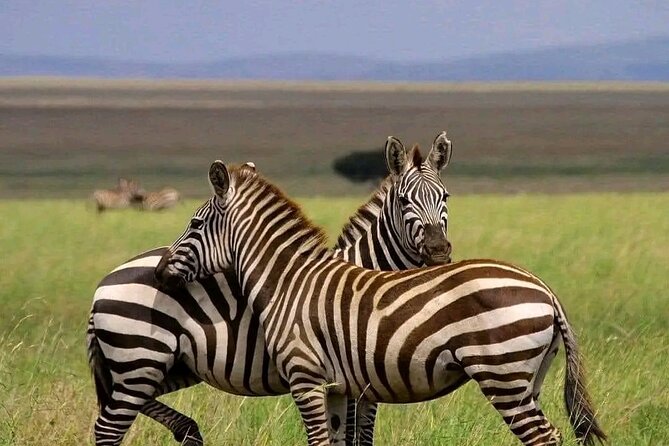
- Small-group 4×4 safari (usually 6–7 people per vehicle) for more guide attention
- Two game drives in Mikumi, with a bush lunch between them
- Syke’s and red colobus monkeys are real possibilities on this trip
- Professional driver/guide plus careful day planning for a tight timeline
- Park tickets, land transfers, and a safari vehicle are included in the price
Flying Into Mikumi: The Shortcut That Actually Works
Most “safari day trips” fall into a trap: too much transit, not enough wildlife time. This one avoids that by using flights to compress the distance. The result is that you spend your energy on the 4×4, scanning for animals, not stuck in traffic.
You’re picked up in Zanzibar and taken to the airport so you can catch your transfer to Mikumi. Departs are set for 07:00am, with arrival at about 07:45am in the park area. That timing matters. Wildlife is often most active earlier in the day, and you get in before the heat ramps up.
What makes this especially useful is the rhythm. You don’t just show up, do one drive, and leave. You’re built around two game drives, which gives you a better shot at seeing different animals and behavior patterns as the day shifts.
A few more Zanzibar City tours and experiences worth a look
Getting Going: 4:30am Pickup to First Sightings
Your day starts early—pickup is listed for 4:30am. That means you’ll want to be packed the night before. I’d also set your phone alarm to a backup time. When your morning includes an airport connection, you don’t want to be negotiating with sleep.
From your pickup, you’re driven to the airport to meet the transfer flight. The pace is fast, but the itinerary is structured so you aren’t guessing what happens next. When you arrive in the Mikumi area (around 07:45am), you meet your driver/guide and head straight into the jeep.
Once you’re rolling in the 4×4, the day becomes your typical safari formula—quiet scanning, sudden stops when something is spotted, and the constant “watch the ground and the treeline.” Mikumi can surprise you because it’s not only about big mammals. You may also notice primates and birds if you keep your head up as well as down.
Practical tip: bring a light layer you can tolerate early morning. It’s Zanzibar-to-Tanzania, and mornings can feel cooler than you expect.
Game Drive One: Where Mikumi Usually Shows Off
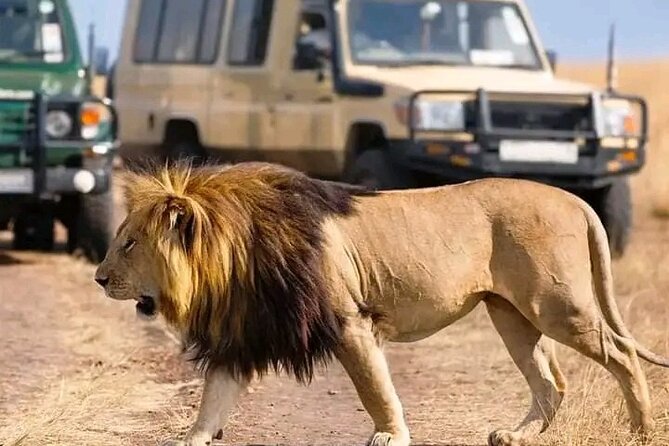
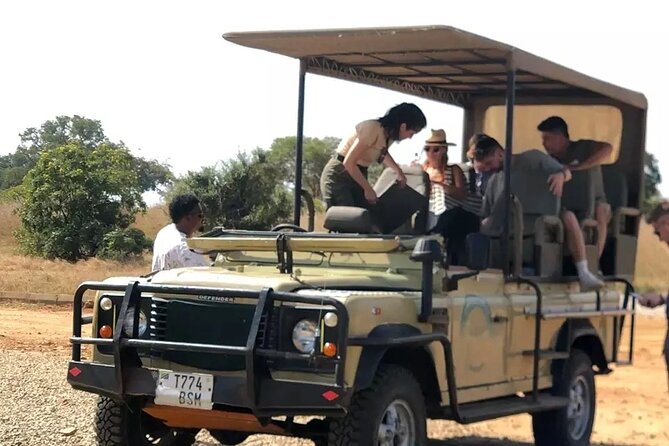
Your first safari stretch is done in a safari jeep/4×4 land cruiser. You’ll drive until about 1pm, with lunch inside the park between the drives. Since you’re there before mid-morning is fully underway, you get a strong window for sightings.
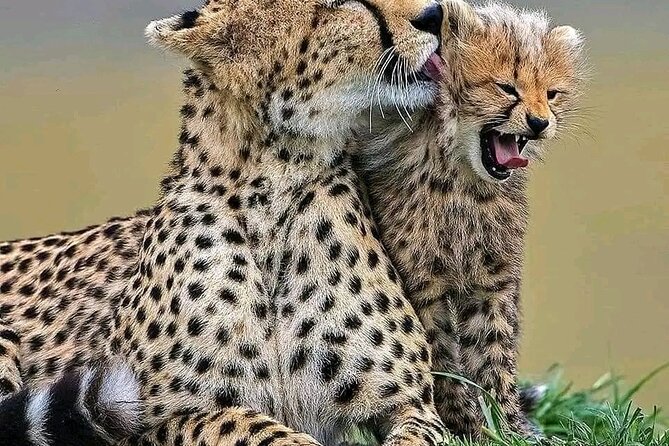
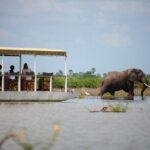
Commonly seen animals include giraffes, hippos, buffalo, elephants, zebras, plus baboon and eland. The list also notes wildebeest, and your chances for predators like lions are part of the reason people come. Even when you don’t get a lion sighting, you still get the safari payoff: herd movement, feeding behavior, and the way animals share space at water and along feeding areas.
Here’s what I’d watch for on drive one:
- Signs before you see the animal: tracks, calls, and the way other wildlife reacts.
- Water proximity: hippos don’t do subtle, so when you find water, scan wide.
- Tree and edge spotting: baboons and other primates can pop into view quickly.
And yes, photos matter here. You’ll be in an open-air style setup or at least in safari-friendly positioning in the jeep, and that helps you capture animals without fighting for angles.
Lunch in the Bush: Fuel Without Losing Momentum
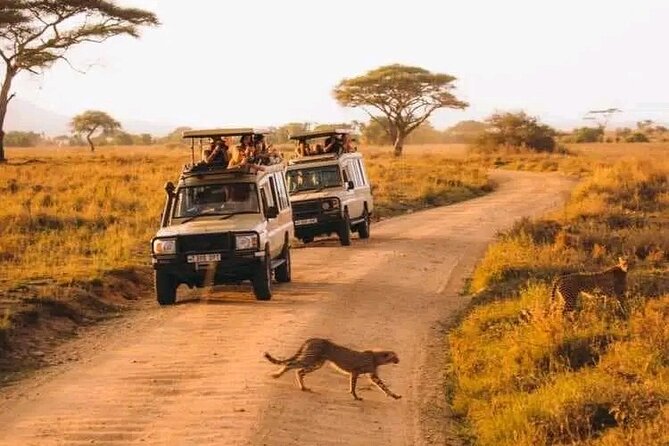
At around 1pm, you take a lunch break inside the park. Lunch is included, and so are soft drinks. This is a valuable pause, not just a meal. It’s also when you get a mental reset between drives, which makes the second half of the safari feel smoother.
Why this lunch stop works: it’s not a rushed roadside stop outside the ecosystem. It’s in the park context, so you’re still close to where wildlife is doing its daily routine. That means you can shift from “search mode” to “watch mode” for a bit and keep your eyes open between bites.
If you want better photos after lunch, do two things:
- Put your lens cap and phone screen protector on before you sit down.
- Wipe your camera lens. Dust happens on safari roads fast.
Also, don’t skip water. Soft drinks are included, but you’ll still benefit from staying well-hydrated when you’re up early and moving through the day.
Game Drive Two: Better Chances, Different Behavior
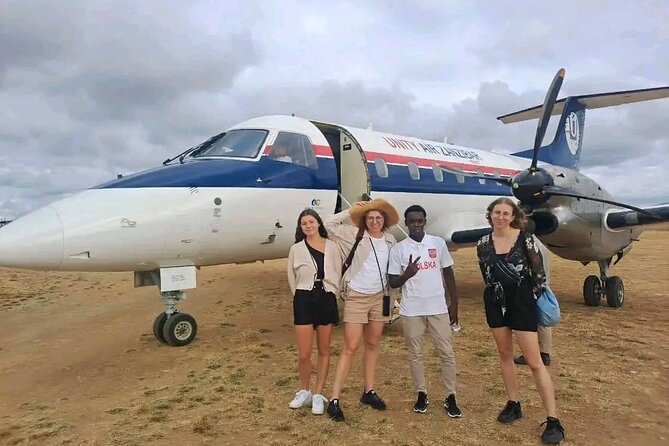
After lunch, you finish the game drive. This matters because animal behavior often changes as the day progresses. Some animals move more in the morning. Others are more likely to show up later when the temperature and activity levels shift.
This second drive is also where your “wildlife luck” can pivot. You might see species you missed earlier, or you might catch an animal at a different moment—resting, moving through thicker cover, or crossing open ground. Since the tour is built for two driving windows, it gives you that extra roll of the dice.
One thing I’m especially glad this trip includes: a guide who’s actively finding animals rather than just doing a loop. In a similar style of trip, the difference is obvious. When your guide is on task, you get more quality sightings—and better explanations of what you’re seeing.
A few more Zanzibar City tours and experiences worth a look

Conservation and Ecosystem Learning (What You Should Actually Pay Attention To)
The tour highlights local conservation efforts and the ecosystem. That can sound vague, but in practice it means the guide isn’t only pointing at animals. They’re also helping you understand the bigger picture: how habitats support wildlife, why protection matters, and how the animals are responding to the environment.
During a short day like this, you won’t get a lecture night at a lodge. You’ll get “field learning,” which is more memorable anyway. For example, when you see animals near certain areas, you’ll hear why those spots matter—water access, food availability, and how different species overlap.
I also think this type of conservation framing improves your safari experience. Instead of just collecting sightings, you start noticing patterns: where animals choose to be and what that reveals about the habitat. That makes the whole day feel more grounded and less like a checklist.
Guide Quality and the Small-Group Advantage
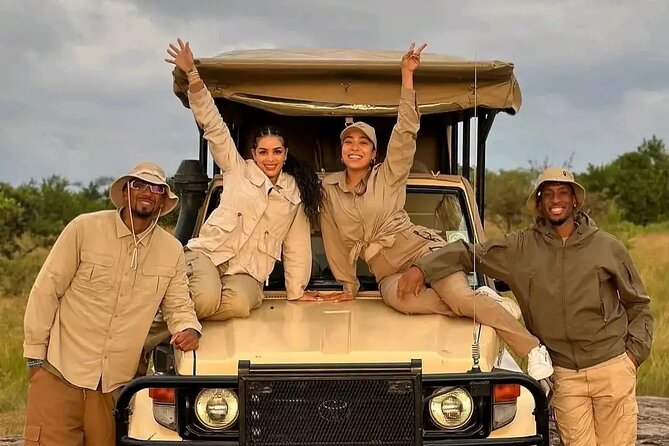
This is a small-group safari. On arrival in the park, you join others to make 6 to 7 persons per safari vehicle, depending on the vehicle seats. That size is a big deal. In a bigger group, guides often have to manage timing more than attention. Here, you’re more likely to get individualized help—like getting pointed to the right spot in time or having your questions answered clearly.
One standout from real-world experience is how guides can focus on specific animal types. For instance, a trip like this can lead to excellent primate sightings, including Syke’s and red colobus monkeys. Those are the kinds of moments that don’t happen if you’re rushed or only driving for the sake of driving.
Language can be the only real frustration point. If you’re booking expecting Spanish guidance, confirm it during booking or shortly before departure. There’s at least one case where a guest expected a Spanish-speaking guide and ended up with an English-speaking guide, and that ruined the experience because explanations were missed. If language matters to you, double-check. Safari value isn’t only about animals—it’s also about understanding what you’re seeing.
Animals You Can Expect in Mikumi (and How to Manage Expectations)
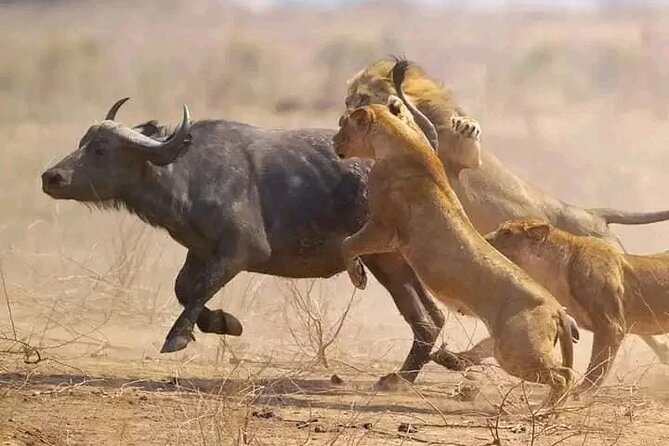
The tour lists commonly seen animals in Mikumi: giraffe, hippo, buffalo, elephant, zebra, baboon, eland, and wildebeest. It also mentions giraffes, elephants, zebras, hippos, lions, and more as possible sightings.
Here’s how I’d manage expectations for a one-day itinerary:
- You’re not guaranteed lions or a full “greatest hits” lineup.
- You are guaranteed active scanning in the right habitat, during daylight windows.
- Your best odds come from being attentive and flexible, not fixed on one animal.
Also, don’t ignore primates. Even if your main goal is big mammals, Mikumi can deliver monkey moments fast. If your guide calls out primates, look quickly. They can be surprisingly easy to miss while you’re focused on the savanna.
Price and Value: Is $560 Worth It?
At $560 per person, you’re paying for more than a jeep rental. The price includes:
- Safari vehicle (4×4 land cruiser)
- Professional driver/guide
- Lunch meal and soft drinks
- All tickets, all transfers, and all fees and taxes
- Round-trip flights (as part of the transfers)
For a Zanzibar-based safari, the biggest value driver is the flight and logistics. If you tried to DIY this, you’d be juggling flight timing, ground transport, park entry, and guide coordination. The cost might be similar—or it might be higher once you piece everything together and still end up with less time in the park.
Is it cheap? No. But for what’s included, it’s fair—especially because the day is designed around wildlife time rather than travel time. The small-group setup (max 15 overall) also helps justify the price. You’re paying for coordination and guide attention, not just transport.
What to budget extra: the tour doesn’t include medical insurance or personal expenses.
Logistics You’ll Want to Get Right
A few details will make your day smoother.
- Bring your passport. The tour explicitly asks you to take it with you on site.
- Bring a mobile-friendly ticket. The listing notes mobile ticket use, so make sure your phone has battery and isn’t locked out by an emergency PIN issue.
- Plan for early pickup. Your start time is 4:30am, so you’ll want to be ready, not rolling your luggage at the last second.
- Weather matters. The tour requires good weather. If it gets canceled due to poor weather, you’ll be offered another date or a full refund.
Also note that the day includes walking and waiting around airstrips and vehicle staging areas. It’s listed as suitable for most travelers, but comfort in those transitions matters.
Should You Book This Mikumi Day Trip?
I’d book this if you want a real safari day without wasting your vacation on transit. It’s also a good choice if you like small groups and guided explanation. The two-drive format plus a bush lunch is a solid structure, and it gives you more than one chance at meaningful wildlife moments.
I’d think twice if:
- You hate early mornings and long days. This tour starts at 4:30am.
- You strongly need a specific language. If Spanish guidance is essential, confirm it before you go.
- You’re the type of traveler who wants total freedom to linger. This itinerary is efficient, which is the point—but it’s not slow travel.
If you’re visiting Zanzibar and you really want one “wow” wildlife day, this is a practical way to get it. You get the park experience, you get real 4×4 driving time, and you don’t have to become a logistics manager to make it happen.
FAQ
What time does the tour start in Zanzibar?
The pickup is listed for 4:30am.
Are flights included in the day trip?
Yes. Round-trip flights and all land transfers are included.
How long is the total tour?
The duration is listed as about 10 hours.
How many people are in each safari vehicle?
On arrival in the park, you’ll join others to make about 6 to 7 persons per safari vehicle, depending on the number of seats.
Is lunch included?
Yes. Lunch is included (with soft drinks) and it happens inside the park between game drives.
What animals does the tour mention as possible sightings?
Commonly seen animals include giraffe, hippo, buffalo, elephant, zebra, baboon, eland, and wildebeest. Lions are also mentioned as possible.
Do I need to bring a passport?
Yes. The tour notes that you should take your passport with you on site.