REVIEW · ZANZIBAR CITY
Zanzibar Aromatic Spice Farms Tour
Book on Viator →Operated by ZAFRICA TOURS AND SAFARIS · Bookable on Viator
Zanzibar’s spice plantations trace back to Portuguese traders in the 1500s, who helped shape what grew here and why. On this spice shamba walk, you’ll get hands-on with plants, then practical explanations of how they’re used in cooking and daily life.
I like two things most. First, you don’t just look at crops—you smell and taste spices and fruits like clove, lemon grass, nutmeg, cinnamon, turmeric, vanilla, coconuts, papaya, chili, black pepper, jack fruit, cardamom, cassava, and oranges. Second, the stop for a traditional Swahili lunch lets you connect the flavors to real meals, including seasonal fruit that’s actually growing at the time.
One thing to plan for: it’s a walking tour, and it needs good weather. If the weather turns, it may be rescheduled or refunded, so I’d keep your Zanzibar schedule flexible when you can.
In This Review
- Quick highlights to know before you go
- Zanzibar’s spice shamba: why this tour feels different
- Walking through the farm: what you’ll actually do
- The spice and fruit tasting stops: clove, vanilla, turmeric, and more
- Swahili lunch at the farm: where the flavors click
- The spice stall finish: what to buy and how to pay
- Price and value: what your $102.57 covers
- Who should book this spice farm tour
- Logistics in plain terms (so you’re not surprised)
- Should you book Zanzibar Aromatic Spice Farms?
- FAQ
- How long is the Zanzibar Aromatic Spice Farms Tour?
- Where does the tour take place?
- What is the price per person?
- Is pickup included?
- What’s included in the tour price?
- Do I get to taste spices and fruits?
- Does the tour include a lunch?
- Is tipping required during the tour?
- Can I buy spices at the end of the tour?
- What is the cancellation policy?
- Is the tour affected by weather?
Quick highlights to know before you go
- Smell-first learning as you walk between spice and fruit plants
- Fruit and spice tastings during the farm portion, not just at the end
- Swahili lunch on-site, so the flavors make sense on your plate
- A finish at a spice stall with packaged spices for purchase (cash only)
- Private group feel with transport by private vehicle for your party only
Zanzibar’s spice shamba: why this tour feels different
Spices in Zanzibar aren’t just souvenirs. The whole point here is seeing (and tasting) how spices behave as living crops—before they become the tiny jars you see back home. That matters because you start to understand things like why some plants are harvested differently, or why certain flavors need time and careful growing.
You’ll also get a sense of Zanzibar’s layered history through the crops themselves. Portuguese traders helped introduce spices to the islands in the 16th century, drawing from their wider trading networks. Even if you’re not a history person, the plants make that story feel real: different aromas, different growing stages, and different types of harvest work.
And because the tour is guided, you’re not left staring at green leaves and guessing. The guide points out what you’re seeing, then ties it to flavor and use—so it feels more like a food lesson than a museum walk.
You can also read our reviews of more tours and experiences in Zanzibar City.



Walking through the farm: what you’ll actually do

Expect a walking spice farm experience on a shamba, with stops that focus on both growth and usage. You’ll move through spice and herb plants and learn how they’re cultivated, then get chances to smell and sample many of the ingredients that show up in everyday cooking.
This is where the tour earns its value. The senses do the teaching. You get to compare aromas up close—like how lemon grass smells when you’re near the plant, or what cardamom feels like when you’re handling it rather than guessing from a spice jar. The guide’s explanations help you connect what you’re tasting to the plant’s real life cycle.
One practical note: since it’s a farm walk, wear comfortable shoes. The path is part of the experience. It’s also why good weather matters—mud and slippery ground can change the vibe fast, even if the tour still runs.
The spice and fruit tasting stops: clove, vanilla, turmeric, and more
The tour is built around tastings, so you’ll spend real time with flavors instead of rushing past them. Based on what’s listed for the experience, you should expect to encounter both herbs and fruits, including:
Spices and herbs you’ll sample/smell
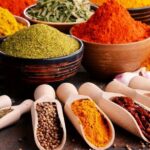
Clove, lemon grass, nutmeg, cinnamon, turmeric, vanilla, black pepper, chili, cardamom, and cassava.
Fruits you’ll get to taste
Coconuts, papaya, jack fruit, and oranges (plus seasonal fruits as available).
A standout part of tasting vanilla (even if it’s not in candy-like form) is realizing how much work goes into getting it from a growing plant to a usable spice. Vanilla beans aren’t something you can fake with imagination. Seeing the plant and hearing why it’s hard to cultivate makes the real-world effort feel obvious.
That same idea applies to many of the spices. When you understand the plant side—manual labor, growth stages, and why harvest timing matters—your respect for the flavors increases. And yes, you’ll remember the smells later when you cook or taste something at home.
Swahili lunch at the farm: where the flavors click
After the walking portion, you’ll enjoy a traditional Swahili lunch at the farm. This is more than a nice break. It’s where the tour’s learning becomes useful.
On a spice farm tour, it’s easy to get stuck in an endless sequence of samples. Here, the lunch acts like a final layer: you taste dishes that use spices in ways that make sense. You can connect what you learned about each crop—what part is used, when it’s harvested, and what it contributes—to the flavors you’re eating.
You’ll also have access to seasonal fruits that are available at the time of your visit. That’s a big deal in practical terms. Seasonal fruit tastes better, and it also helps you understand what’s “in season” on the farm rather than what might be imported and sold year-round.
If you like food-focused travel, this is the portion that turns the tour from interesting into genuinely memorable.
The spice stall finish: what to buy and how to pay
The experience wraps up with a stop at a spice stall selling fresh packaged spices. It’s a straightforward add-on: you can take home what you tasted, and you’ll know what you’re buying because you’ve already met the plant.
Important practical detail: payment is cash only. If you’re the type who relies on card machines (lots of us do), make sure you withdraw enough before you reach the stall. This is one of those small things that can ruin an otherwise great finish—so plan ahead.
Also, don’t feel pressured to buy immediately. Use the last stop to compare what you want—like choosing a spice you tasted earlier—so your shopping matches your actual preferences.





Price and value: what your $102.57 covers
At around $102.57 per person for about 3 hours, this tour lands in the “worth it if it matches your interests” category. What makes it feel like value is what’s included and what’s not.
From what’s provided, your price includes:
- Transport by private vehicle
- Seasonal fruits
- Seasonal tastings as part of the farm experience
- Tips for farm workers are already included, so you don’t have to manage that extra decision mid-tour
- A traditional Swahili lunch
- A mobile ticket and pickup offered
That’s a lot of “covered costs” for a short outing. The transport and lunch alone can easily push similar experiences higher, especially in Zanzibar City where time matters and logistics add up.
The one thing to watch is that it’s not a half-day safari-style adventure. If you’re expecting a long day, this may feel compact. But if you want a focused, high-signal visit that stays close to the plants and the flavors, the time works well.
Who should book this spice farm tour
This is a great fit if you:
- Want a hands-on food experience with tastings and real meals, not just scenic photos
- Like learning through smell and taste
- Want a half-day activity that’s easy to drop into a Zanzibar City schedule
- Prefer a private experience where your group stays together
It’s also a smart choice if you’re traveling with at least one person who likes cooking, because you’ll likely leave with a mental map of what different spices do.
If you’re only after beaches or major monuments, this may feel too niche. But if you want one authentic, local flavor experience that doesn’t require advanced hiking skills, it’s an easy yes.
Logistics in plain terms (so you’re not surprised)
You’ll start around Zanzibar City and travel via private vehicle, with pickup offered. The tour is designed for most travelers, and it’s confirmed at booking. Children can join, as long as they’re accompanied by an adult.
The experience is also tied to conditions: it requires good weather, which means delays or rescheduling can happen if conditions aren’t right.
One small group note: it’s a private tour/activity, so only your group participates. That usually makes the pacing easier and keeps the guide focused on your questions.
Should you book Zanzibar Aromatic Spice Farms?
Book it if you want a short, focused taste of Zanzibar that goes beyond jar-and-market shopping. The biggest reasons are simple: you’ll smell and taste the plants, and then you’ll connect the flavors at a Swahili lunch where spices actually show up in food.
Skip it only if you hate walking or you’re traveling during a period when you can’t move plans around and the weather might be unstable. Also, if you’re the kind of buyer who dislikes cash-only shopping stops, make sure you come prepared.
If your goal is an authentic, practical experience—one that leaves you with both knowledge and spices you can actually use—this is a strong bet.
FAQ
How long is the Zanzibar Aromatic Spice Farms Tour?
The tour runs for about 3 hours (approximately).
Where does the tour take place?
It’s based in Zanzibar City, Tanzania, and includes travel to the spice farm.
What is the price per person?
The price is $102.57 per person.
Is pickup included?
Pickup is offered, and transport is provided by private vehicle.
What’s included in the tour price?
Included items are seasonal fruits, transport by private vehicle, and tastings as part of the spice farm experience. A traditional Swahili lunch is also part of what you’ll enjoy on the farm.
Do I get to taste spices and fruits?
Yes. You’ll be smelling and tasting a range of spices and herbs, plus tropical fruits such as coconut, papaya, jack fruit, and oranges, with seasonal fruits available as well.
Does the tour include a lunch?
Yes. You’ll have a traditional Swahili lunch at the farm.
Is tipping required during the tour?
The tour price already includes tips for farm workers, so you don’t need to worry about it.
Can I buy spices at the end of the tour?
Yes. There’s a spice stall with fresh packaged spices, and purchases are cash only.
What is the cancellation policy?
You can cancel up to 24 hours in advance for a full refund. If you cancel less than 24 hours before the start time, the amount paid is not refunded.
Is the tour affected by weather?
Yes. The experience requires good weather. If it’s canceled due to poor weather, you’ll be offered a different date or a full refund.