REVIEW · ZANZIBAR CITY
3 Days Serengeti National Park from Zanzibar
Book on Viator →Operated by Experience Zanzibar Tours & Safaris · Bookable on Viator
Safari is better when you lose fewer hours. This private 3-day Serengeti trip from Zanzibar mixes fast travel (flying) with two long Serengeti game drives, plus a driver-guide who helps you spot animals and understand what you’re seeing. The best part for practical travelers is that you’re not left guessing: you get pickup help, meal planning, and an itinerary that you can adjust to your pace and interests.
I particularly like the customizable feel (you’re not stuck in a rigid checklist) and the fact that the days are built for real sightings, not rushed photo stops. One thing to consider: the schedule starts early (you’ll be on the move around 5:30 am), and the game viewing days are long, so it’s not a “sleep in and stroll” kind of safari.
In This Review
- Key Reasons This Safari Works
- Flying From Zanzibar to Serengeti: Why “Fast” Still Feels Like Safari
- Day 1 in Serengeti National Park: First Light, Big Five Chances
- Day 2: The Full-Day Game Drive With Picnic Lunch and Migration Season Magic
- Day 3: Morning Game Viewing, Then Back to Zanzibar
- Driver-Guide Help and the Private-Group Advantage
- Meals, Lodging Nights, and the Reality of Time in the Bush
- Price and Logistics: What You’re Actually Paying For
- Weather, Early Starts, and One Common Safari Curveball
- Who This 3-Day Serengeti Trip From Zanzibar Suits Best
- Should You Book This 3-Day Serengeti Safari?
- FAQ
- How long is the Serengeti safari from Zanzibar?
- What time does the tour start?
- Is this tour private or shared?
- Are meals included?
- Do I need to pay for park admission tickets?
- Does the trip depend on weather?
Key Reasons This Safari Works
- Flying to shorten the grind: You depart Zanzibar in the morning and arrive in time for game viewing.
- Long time in the park: Day 1 and Day 2 are heavy on actual safari hours.
- Central Serengeti timing: You’re in an area linked to the wildebeest migration corridor and great predator chances.
- Picnic lunch style game day: Food is planned so you can stay focused on animals.
- Driver-guide storytelling: You get context, not just spot-and-shoot driving.
- Private group comfort: It’s only your group, so you can set the tone.
Flying From Zanzibar to Serengeti: Why “Fast” Still Feels Like Safari
The big challenge with Serengeti from Zanzibar is time. This trip handles that with an early morning transfer and a direct flight routing via Arusha. You depart around 8:00 am, fly, and are scheduled to arrive in the Serengeti area around 10:15 am, which means you’re not staring at luggage while the best light slips away.
The other plus is how your first day is structured: you’re not sent to a waiting room. Instead, you go straight into a game drive on arrival. That matters because early sightings can be surprisingly productive, and you get time to adjust to the park before a full day kicks in.
One detail I appreciate is the way the trip builds from the first day onward. After that morning start, you’re spending continuous time in the park rather than constantly re-routing. If you hate logistical friction, you’ll feel it reduced here.
A few more Zanzibar City tours and experiences worth a look
Day 1 in Serengeti National Park: First Light, Big Five Chances
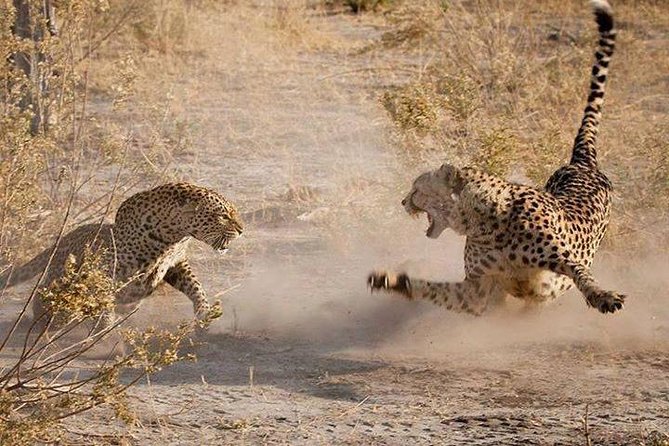
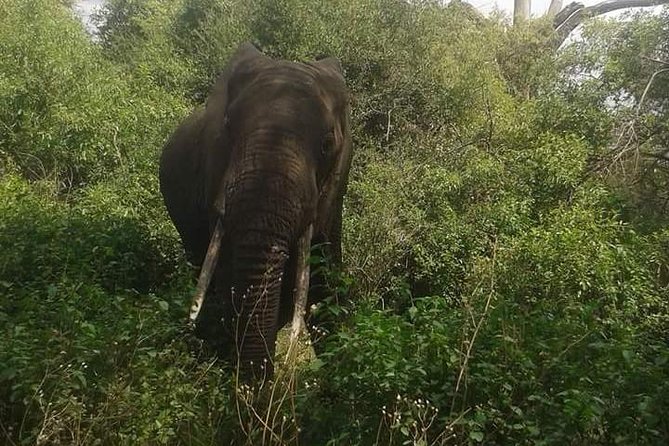
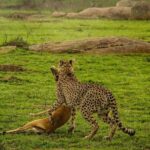
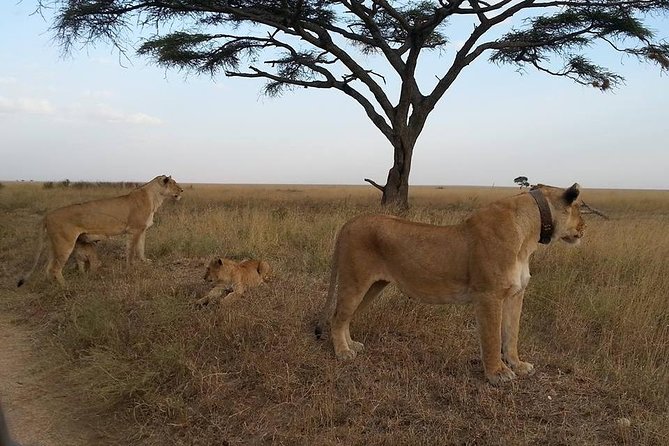
Day 1 is all about getting you on the grasslands and into the “who’s where?” rhythm of Serengeti. After your morning flight, you’re scheduled for a game drive where you have a chance at the Big Five—including lions, elephants, buffaloes, leopards, and rhinos. The schedule also leaves room for the park’s usual cast: hippos, zebras, wildebeest, cheetahs, hyenas, and Thomson’s gazelles.
What I like about this approach is that it doesn’t pretend you’ll see everything. It gives you a strong chance while keeping expectations grounded in what Serengeti actually does: animals move, predators time their hunts, and sightings depend on where the herds and smaller species are positioned.
You also get a sense of where you’ll be operating geographically. The plan places you in the Central Serengeti area, described as connected to a wildebeest migration corridor. That’s important because migration isn’t just a dramatic word—it’s the engine behind many predator encounters. When the prey moves, predators follow. And when predators follow, your odds rise.
You’ll also hear about the Moru Kopjes area and the Seronera region, both known for wildlife viewing opportunities. The trip description specifically notes Dunia Camp as offering easy access to scenic kopjes and strong sightings for big cats in the nearby forests’ fringes. Even if your exact lodge setup differs, the takeaway for you is clear: this is designed around zones that support frequent sightings rather than “wherever the driver feels like going.”
Practical note: your first day is long enough that you’ll want water ready and a light layer. Morning can feel cooler, and once you’re scanning for animals for hours, comfort matters more than you expect.
Day 2: The Full-Day Game Drive With Picnic Lunch and Migration Season Magic
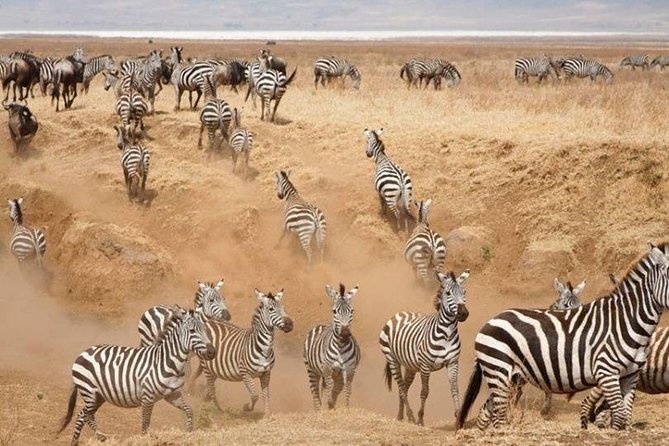
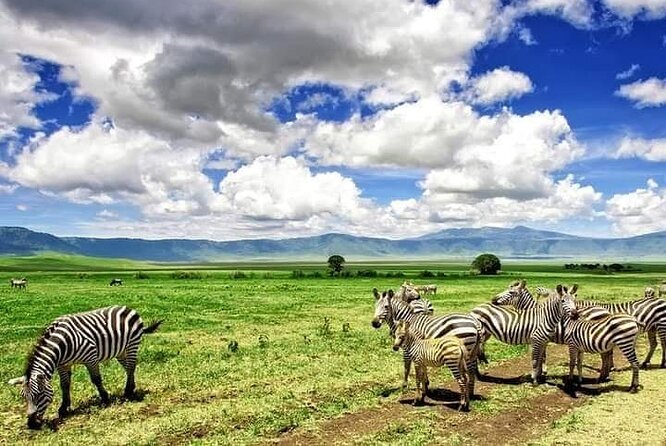
Day 2 is the big wildlife day. You’re scheduled for a full day game drive with a picnic lunch, and it’s built around extended viewing rather than quick stops. Your chance list again includes major predators and big herbivores—lions, elephants, buffaloes, and leopards—plus the wider Serengeti mix like hippos, zebras, wildebeest, cheetahs, and hyenas.
Here’s what makes Day 2 especially valuable: it has time to follow the park. In Serengeti, the action often isn’t one dramatic moment. It’s patterns—where grazing concentrates, where predators position, and where animals pause. A full-day drive lets your guide respond to those movements without rushing you away.
You’ll also have a chance at something you can’t reliably manufacture: wildebeest immigration and migration movement depending on the season. That’s the reason Serengeti remains famous. When herds cluster, predators become more predictable. And when you add kopjes, river-adjacent zones, and open plains, you get the classic Serengeti “stage” where animals perform their daily routines in full view.
If you’re the kind of traveler who likes to learn while watching, this is your day. The driver-guide time is long enough to explain how the ecosystem works—why certain animals show up where they do, and how water and food routes drive everything else. That turns the day from “we saw animals” into “I understand why those animals were there.”
One possible downside to keep in mind: long days mean long stretches without a proper break. Even with picnic lunch, you’re still out in the bush for about 10 hours. Plan to bring sunscreen, a hat, and anything you’ll want for comfort during extended scanning.
Day 3: Morning Game Viewing, Then Back to Zanzibar
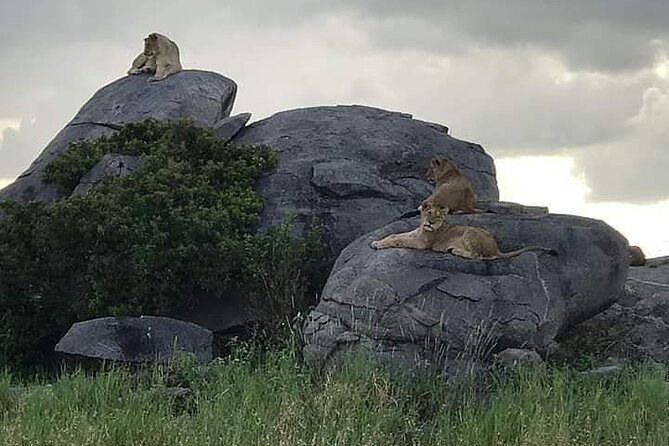
Day 3 keeps a safari rhythm but trims the schedule. After breakfast, you’re scheduled for another game drive, then you go en-route to the airstrip and depart for Zanzibar around 10:30 am.
This structure is good for two reasons. First, it gives you a morning window when animals often remain active before the heat rises. Second, it prevents the last day from becoming a logistical mess. Instead of pushing you through the park until late afternoon, it uses the early hours and then focuses on getting you back comfortably.
Your sighting chances remain strong and broad, including mentions of lions, elephants, rhinos, buffaloes, and hippos, along with other game animals. Even though you’ve already done big driving days, I like that this last one is positioned as a fresh look rather than a repeat circuit.
If you’re thinking about packing, Day 3 is where you’ll feel it. Bring what you’ll need for a morning on safari, but also keep things streamlined so you’re not digging through a bag right before transfers. Serengeti mornings can be cooler, but you’ll still be moving for hours.
Driver-Guide Help and the Private-Group Advantage
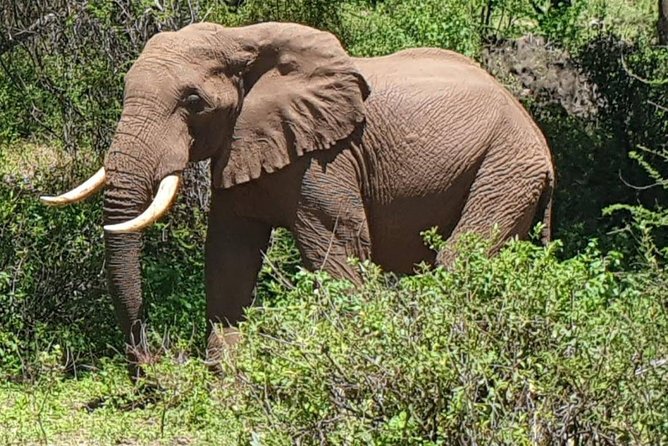
This trip is described as private, meaning it’s only your group. That sounds small on paper, but it changes the feel of the days. You’re not coordinating around other guests’ preferences or waiting for a slow-moving group to get ready. It’s easier for your driver-guide to focus on your interests and pacing.
It also sounds like the driver-guide component isn’t just a formality. The experience is described as a time for learning, with the guide helping you understand the area while you drive. In practical terms, that means you’re less likely to miss the “why” behind a sighting. You’ll also have more flexibility to ask for certain kinds of viewing, like predator-focused routes or areas where herd movement is likely.
The human factor comes through in feedback too: people highlighted staff as friendly and guides as fun, with a game-drive setup in good condition. That matters because safari days can feel monotonous if you’re just watching from a distance with no story. When the guide is actively engaged, spotting becomes easier and the driving becomes less tiring.
And yes, you’ll likely appreciate the baseline comfort: included breakfasts, lunches, and dinners reduce decision fatigue. You don’t have to hunt for meals after a game drive, and your day stays on schedule.


Meals, Lodging Nights, and the Reality of Time in the Bush
The trip includes meals across the days—breakfasts, lunches, and dinners—and it includes an overnight stop during the safari. That matters because game viewing schedules don’t bend around restaurants. With meals built in, you can stay focused on the park instead of asking where to eat and how late the kitchen opens.
The plan also references that camps are positioned in the Central Serengeti migration corridor area. That suggests you’re not bouncing between far-flung zones every day. The value is simple: less shifting means more stable viewing opportunities, and more predictable rest between drives.
One caution for value-minded travelers: included meals don’t always mean “luxury dining.” But in a safari setting, the tradeoff is usually worth it. You’re paying for time outdoors and transport between viewing zones, not for a five-course menu.
Price and Logistics: What You’re Actually Paying For
At $2,395.95 per person for a 3-day safari, you’re paying for more than just “a guide.” You’re paying for the full bundle: private attention, multi-day time in Serengeti, park access, and the key piece most people find hard to solve—getting there efficiently from Zanzibar with flights via Arusha.
The value equation looks like this:
- You get three days of park time with long game drives (roughly 10 hours on Day 1 and Day 2, then a shorter final day).
- Meals are included, so the trip doesn’t turn into a budgeting puzzle.
- The itinerary is described as customizable, which is real value if you care about predator odds, photography time, or simply pacing.
- Pickup is offered, which reduces the “how do I get to the starting point?” stress.
One thing to consider: this is priced like a private, high-effort safari. If you’re the type who’s happy joining a larger group or booking separate components (flight + lodge + guide), you might find cheaper options. But if you value smooth coordination and don’t want to assemble multiple vendors yourself, this price can start to feel fair.
Also, the trip description notes admission ticket free, which helps offset some of the usual park costs.
Weather, Early Starts, and One Common Safari Curveball
Serengeti trips are weather-dependent, and this one specifically notes that it requires good weather. That doesn’t just mean discomfort. Poor conditions can affect wildlife movement and road conditions inside the park, and it can affect overall schedule stability.
Then there’s the start time. The meeting point start time is 5:30 am, and Day 1 departure from Zanzibar is around 8:00 am. If you’re not used to early mornings, treat this as your “reset expectation” moment. You’re trading late sleep for better safari time.
One last reality check: safari plans can face small curveballs. Feedback included a small missed opportunity related to a Ngorongoro crater visit, described as having no major impact on the overall trip. The key lesson for you is to stay flexible. When you’re moving by flights and game drive schedules, tiny plan changes can happen—what matters is how quickly they get handled.
Who This 3-Day Serengeti Trip From Zanzibar Suits Best
This is a strong fit if you want:
- Big wildlife time in a short window
- A private setup with a driver-guide who helps you spot and understand
- Included meals and a prebuilt schedule so you can focus on the animals
- A practical route from Zanzibar that uses flight time rather than losing days to overland travel
It’s also a good option if you’re a couple or a small group who prefers a calmer rhythm. The private format tends to feel more personal, and it makes customization easier.
If you’re traveling with very young kids or someone who struggles with early starts and long days, you might want to think carefully. The schedule is active and built around long game viewing windows.
Should You Book This 3-Day Serengeti Safari?
If your main goal is to maximize wildlife time and keep the planning simple, I’d lean toward booking. The biggest strengths are the efficient transfer via flight, the two heavyweight game-viewing days, and the fact that meals are handled. You’re spending your time where it counts—in the park—without needing to manage three separate suppliers.
But do book with clear expectations. It’s early, it’s long, and it’s wildlife-first, comfort-second. If you want a relaxed vacation with lots of sleeping in and downtime, this schedule won’t match that mood.
If you’re ready to trade some rest for Serengeti sightings, this trip is a solid value play for a private, short safari-from-Zanzibar plan—especially if you care about getting real time in the Central Serengeti and learning while you watch.
FAQ
How long is the Serengeti safari from Zanzibar?
It runs for approximately 3 days.
What time does the tour start?
The start time listed is 5:30 am.
Is this tour private or shared?
It’s private, and only your group participates.
Are meals included?
Yes. Breakfasts, lunches, and dinners are included.
Do I need to pay for park admission tickets?
The information provided says the admission ticket is free.
Does the trip depend on weather?
Yes. It requires good weather, and if it’s canceled due to poor weather, you’ll be offered a different date or a full refund.