REVIEW · ZANZIBAR
Zanzibar Spice Tour and Lunch Experience
Book on Viator →Operated by COASTLINE TOURS AND TRAVEL · Bookable on Viator
Spice smells start the day in Zanzibar. This 5-hour Zanzibar Spice Tour pairs a guided walk through Hill Kidichi Spice Farm with time to learn why Zanzibar is often called Spice Island, then ends with a sit-down Swahili lunch cooked by local chefs. You’ll be picked up near Old Fort and returned there at the end, which keeps logistics easy.
What I like most is the hands-on feel of seeing spice plants up close and using what you learn to shop smarter—spices are available to buy directly from the farm. I also really appreciate that lunch is part of the price, so you’re not stuck hunting for food afterward or juggling timing with a long drive.
One thing to consider: this is an outdoor farm experience with a moderate physical fitness requirement, and it needs good weather. If it’s cancelled due to poor conditions, you’ll need to pick a new date or get a refund, so plan flexibility.
In This Review
- Key highlights worth your time
- Old Fort pickup and a short, focused 5-hour plan
- Hill Kidichi Spice Farm: what you’ll see and learn
- The one-stop layout: great for focus, limited for variety
- Spice shopping on site: how to make it worth the money
- A tip that keeps shopping stress low
- Swahili lunch: where the flavors turn into a meal
- What’s the trade-off?
- Timing, transport, and why a private group feels better
- Weather matters more than you might expect
- Price and value: $85 for spice learning plus lunch
- Should you book this Zanzibar Spice Tour?
- FAQ
- How long is the Zanzibar Spice Tour and Lunch experience?
- Where does the tour start and end?
- Is lunch included?
- Is pickup offered?
- Is the tour private?
- What’s the admission situation for the farm?
- What should I know about weather and cancellations?
- Is tipping included in the price?
Key highlights worth your time
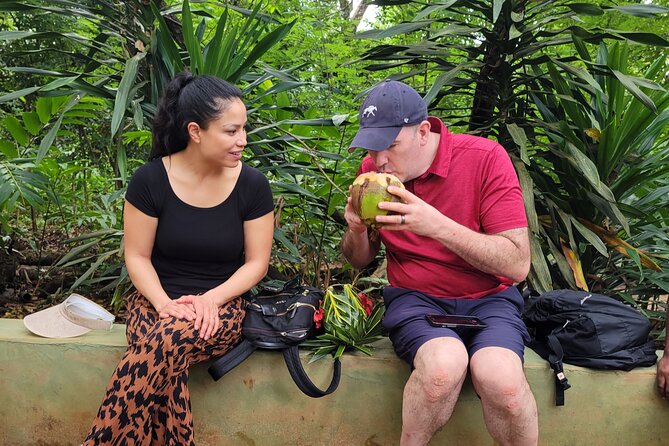
- Hill Kidichi Spice Farm guide-led tour with spice plants, herbs, and tropical fruit
- Swahili lunch included, prepared by local Swahili chefs
- Buy spices on site so you can take home what you actually learned about
- Easy Old Fort start and end near Mizingani Rd, with pickup offered
- Private group experience, so your time stays focused
- Mobile ticket and free admission ticket mentioned for the farm visit
Old Fort pickup and a short, focused 5-hour plan
If you’re short on time in Stone Town, this style of tour works. The meeting point is Old Fort on Mizingani Rd, and the tour ends back at the same starting point. That simple loop matters because Zanzibar traffic and day-to-day timing can get unpredictable, and you don’t want to burn your day chasing transport.
You’re also dealing with a tour length that feels realistic: about 5 hours. That means you can enjoy the spice farm without turning the day into a full marathon. The experience is described as private for your group, too, which usually leads to a less rushed pace and fewer awkward waits while people catch up.
The provider lists pickup as an option, and the group discounts and mobile ticket are useful if you’re coordinating with companions. In plain terms: this setup is designed to be smooth, not complicated.
A few more Zanzibar tours and experiences worth a look



Hill Kidichi Spice Farm: what you’ll see and learn

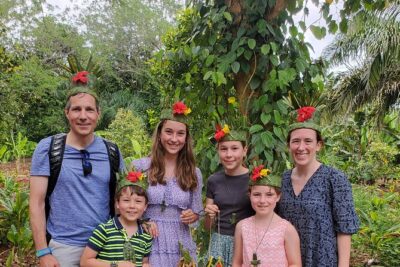
Hill Kidichi Spice Farm is the centerpiece, and it’s where the whole experience earns its keep. You’ll walk through areas with spice plants and herbs, and you’ll also see tropical fruits. That combination is more useful than it sounds, because the farm visit isn’t only about what spices are. It’s about how they grow, how they’re handled, and how they fit into daily life on the island.
Zanzibar’s spice reputation isn’t abstract here. The tour is built around the idea of showing you the reality of spice trees and plants and explaining their uses locally and internationally. The information also frames spices as more than just flavor—local traditions treat them as part of everyday remedies, so you’ll hear that angle too.
The guides you might meet can vary, but recent experiences include people named Osman (spelling may vary), Othman, Mohammed, and Abdulrahman, with praise for polite, professional service and clear explanations. If you care about practical takeaways, this kind of guided approach is what helps. You’re not just walking through greenery for photos; you’re learning what’s in your shopping bag before you buy.
The one-stop layout: great for focus, limited for variety
The itinerary is essentially built around one main stop at the spice farm. That’s a strength if you want depth and a calm day. It’s also a consideration if you were hoping for multiple farms, markets, and long scenic drives. Here, the value is concentrated. You go to the farm, you learn, you eat, and you go back.
Spice shopping on site: how to make it worth the money
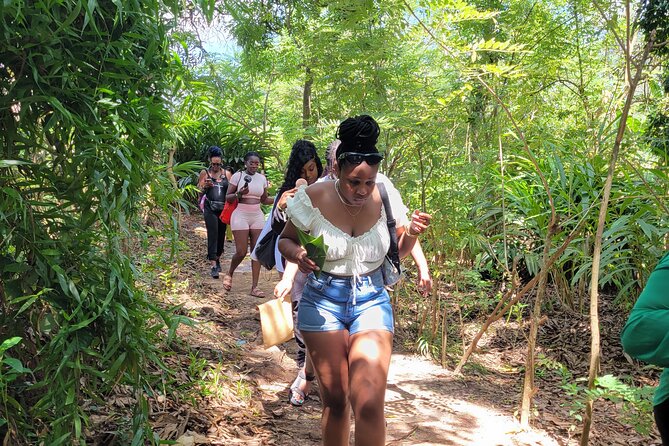
You’ll have the chance to buy spices directly from the farm. That’s one of the most practical parts of the experience because it turns “interesting” into “useful.” Instead of buying random spice packets later in town, you can match flavors to what you saw growing.
This is also where you’ll likely enjoy the tour most if you’re food-minded. Spices like cinnamon and cardamom get mentioned in the experience description, and you can use what you learn to choose blends that make sense for your cooking style. Even if you don’t cook much, spices make great gifts because they travel well and stay aromatic longer than many other souvenirs.
There’s no price list included in the info you provided, so I’d treat spice purchases as an extra budget item. The tour price covers the guided experience and lunch, but the farm shop is a separate spend. If you want to control costs, decide before you go what you want: a couple of staples for cooking versus a larger mixed assortment for gifts.
A tip that keeps shopping stress low
Use the tour time to ask basic questions about how spices are used on Zanzibar—especially if the guide touches on local medicinal or remedy traditions. Even when you don’t plan to use spices for that purpose, it helps you understand why certain flavors matter there. You’ll leave with better instincts for what to buy, and you’ll be less likely to overpay for something you can’t use.





Swahili lunch: where the flavors turn into a meal
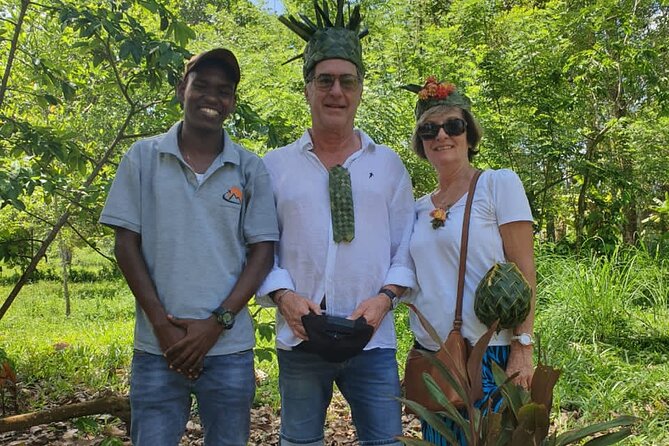
Lunch is included, and it’s a big part of why this tour works as a package. You’ll eat local Swahili food under local Swahili chefs, which gives you a chance to taste what the spices are actually doing in real dishes. The experience description frames lunch as the moment where ingredients become culinary results, not just aromas.
From the overall feedback, the lunch portion tends to land well. People describe it as amazing, and some also mention fresh fruit included as a finishing touch. That matters because it makes the day feel complete: you learn about spices, then you eat them, then you go home satisfied rather than still hungry and unsure what you bought.
If you’re concerned about spice intensity (some people are), you can use your first bites to gauge how strong the dishes feel. Since the lunch is part of the tour and prepared by local chefs, it’s generally set up for visitors in mind, but spice sensitivity is still personal—trust your palate.
What’s the trade-off?
Because lunch is built into a fixed schedule, you won’t have the freedom to wander for other meals on your own. If you love roaming for independent street food stops, you might find yourself wishing for more choice. But if you want a dependable half-day that ends with a proper meal, having lunch included removes a lot of uncertainty.
Timing, transport, and why a private group feels better

This tour is listed as private for your group. In practice, that’s a real benefit for two reasons.
First, you get fewer delays. Group tours can get slow when one person needs extra time. A private setup means the guide can pace the walk and focus on your questions. Second, it often makes the farm shop feel less awkward—if you want to ask about a spice, the moment is yours, not a shared queue.
Pickup is offered and the start location is specific: Old Fort on Mizingani Rd. That’s good for orientation. It also means you’re not piecing together transport from random landmarks.
The physical side is also worth noting. The tour requires moderate physical fitness level. Spice farms usually involve uneven ground, walking between plants, and some time outdoors. You don’t need to be an athlete, but if you’re dealing with mobility issues, plan accordingly.
Weather matters more than you might expect
The operator states the experience requires good weather. If conditions are poor, the tour can be cancelled and you’ll be offered a different date or a full refund. This is one of those Zanzibar practical realities: sun helps, rain changes the experience. If you’re traveling during a wet window, choose dates with some buffer so you’re not locked into one option.
Price and value: $85 for spice learning plus lunch
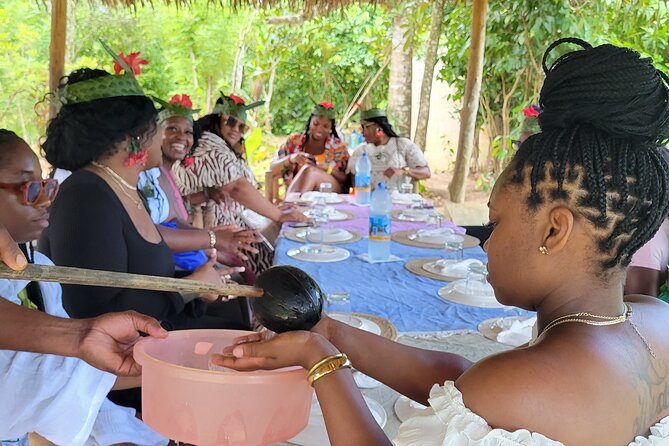
At $85 per person, the real question is what you’re getting for that money. Here’s the math that matters.
You’re paying for:
- A guided spice farm visit (with an admission ticket listed as free)
- The lunch itself (local Swahili lunch included)
- Pickup offered and return transport to the meeting point
- A private-group experience
So you’re not only buying access to a farm. You’re buying interpretation—someone explains what you’re seeing and helps you connect it to buying decisions. The lunch turns it into a full half-day activity instead of a short walk followed by a meal you still have to solve.
One cost consideration: tips and personal needs are not included. That’s normal, but if you tend to tip generously, add that to your mental budget.
Also, spice purchases are optional but likely. If you plan to take home multiple jars, your total trip cost will rise quickly. The best way to keep value strong is to go into the shop with a simple shopping plan: pick a few flavors you’ll use, not just whatever looks pretty.
Should you book this Zanzibar Spice Tour?

Book it if:
- You want a focused, half-day activity in Zanzibar that includes lunch and doesn’t force you into extra planning.
- You care about spice sourcing and want to buy from the place where it grows.
- You like guided, practical explanations—think of this as a flavor lesson you can take home.
Skip it (or pair it carefully) if:
- You want lots of variety across multiple attractions, because this experience centers on one farm stop.
- Your schedule is rigid and you can’t shift dates if weather turns.
If your goal is to walk away understanding why Zanzibar has a spice reputation—and to bring home spices you can actually use—this is a strong choice.
FAQ
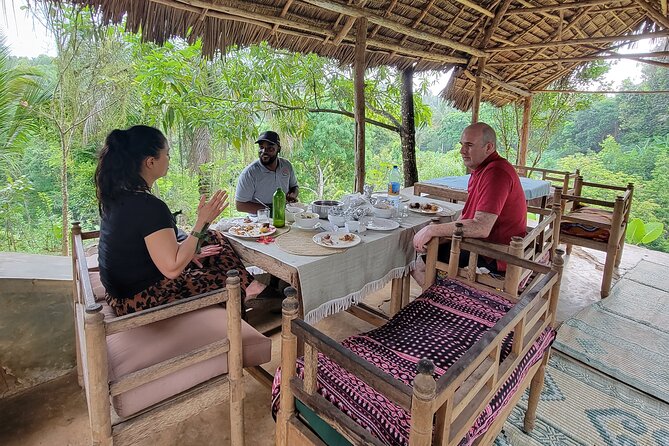
How long is the Zanzibar Spice Tour and Lunch experience?
It runs about 5 hours (approximately).
Where does the tour start and end?
It starts at Old Fort, Mizingani Rd, Zanzibar, Tanzania, and ends back at the same meeting point.
Is lunch included?
Yes. The tour includes local Swahili lunch.
Is pickup offered?
Pickup is offered.
Is the tour private?
Yes. It’s listed as private, meaning only your group participates.
What’s the admission situation for the farm?
Admission is listed as free for the Hill Kidichi Spice Farm stop.
What should I know about weather and cancellations?
The experience requires good weather. If cancelled due to poor weather, you’ll be offered a different date or a full refund. There is also free cancellation up to 24 hours in advance for a full refund.
Is tipping included in the price?
No. Tips and personal needs are not included.