
Stone Town feels like a living puzzle. On this private walk, I love how you read the town through its limestone architecture and doors, and I also love the human stories that connect markets and places like the former slave market site to the island’s Arab, African, Indian, and Persian mix. One thing to plan for: the streets are narrow and the day can be hot, so comfy shoes really matter.
I went with guides who genuinely adjust to what you care about. Names like Abdullah, Abdalla, Cosmo, Amina, Issa, and Hashir show up across this experience, and the consistent theme is friendly pacing plus the kind of explanation that makes the town feel less random.
If you want sunset views, book the evening option that’s timed for the best light. The tour runs rain or shine, and you’ll want to dress respectfully and keep your camera ready for doorways, carvings, and market street moments.
In This Review
- Key things I’d plan around
- Why Stone Town’s limestone streets need a guide
- Meeting at Old Fort and getting oriented quickly
- Architecture lessons: the doors, the streets, and the 2000-building maze
- Markets and the coffee bazaar: seeing Zanzibar at everyday speed
- Former slave market context and the cathedral connection
- House of Wonders and palace-era landmarks under renovation
- Hamamni Baths street, Catholic Cathedral, Jaw’s Corner, and Secret Garden
- Freddie Mercury, Mercury’s Bar, and the Old Fort finish
- Price, timing, and what’s actually good value for $30
- Who should book this private Stone Town walking tour
- Should you book Stone Town’s Hidden History private guided walking tour?
- FAQ
- How long is this Stone Town private walking tour?
- How much does the tour cost?
- Where do I meet the guide?
- Is pickup and drop-off included?
- What’s included in the price?
- Are entrance fees included for Freddie Mercury’s museum or Hamamni Baths?
- What languages are available for the live guide?
- Does the tour run in bad weather?
- What should I bring, and what should I wear?
- Is this tour suitable for pregnant women?
Key things I’d plan around
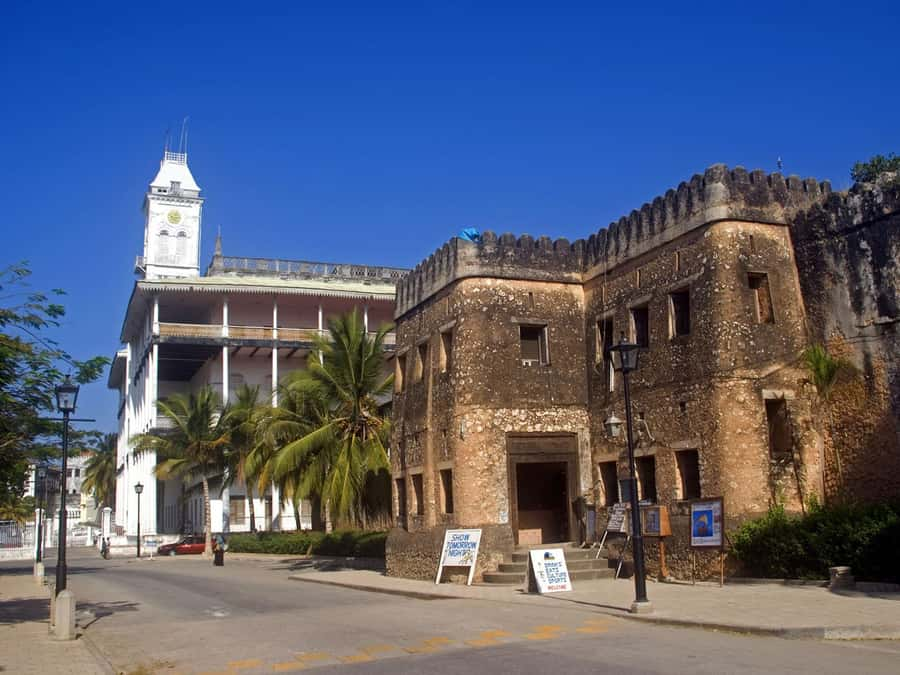
- A UNESCO street-level lesson: you walk a compact area where 2000+ limestone buildings shape everyday life
- Architecture you can spot fast: doors, coral-rag details, and the mix of African/Arab/Indian influences
- Coffee and spice stop(s): you get out of sightseeing mode and into market rhythms
- Former slave market context: you visit the key area and related landmarks, including cathedral stops
- Optional entries at certain sites: Freddie Mercury’s museum, Hamamni Baths, and church/museum areas may cost extra
- Guides tailor the route: you can steer toward history, markets, architecture, or a shorter focus when time is tight
Why Stone Town’s limestone streets need a guide
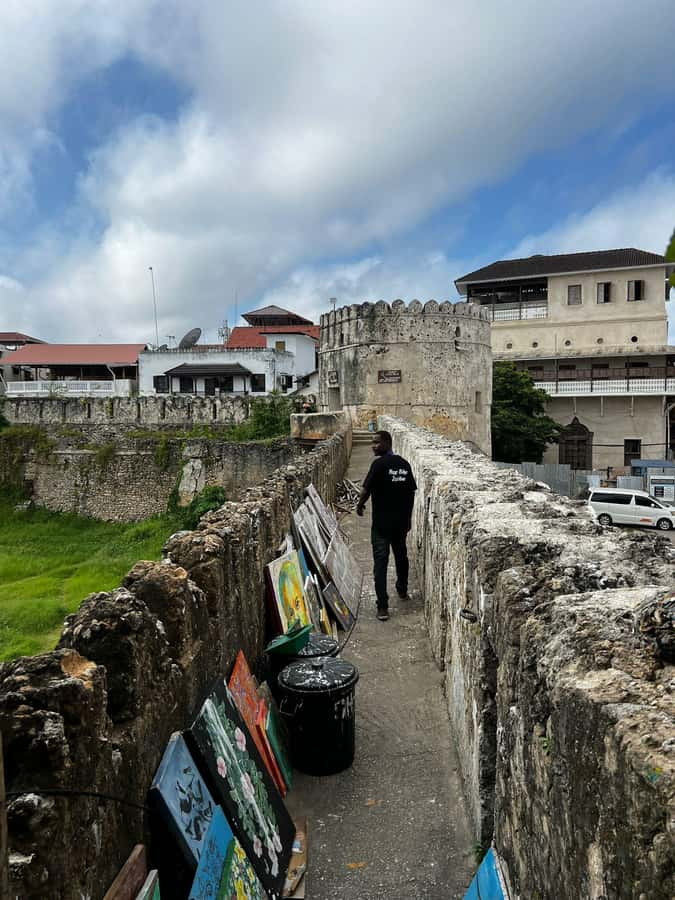
Stone Town isn’t one single “style.” It’s a layered place made from limestone buildings—coral rag, cut, stacked, and shaped over centuries. That’s why a guide changes the experience. Without one, you see pretty streets. With one, you start noticing patterns: door height, carved details, and the way different neighborhoods reflect different eras.
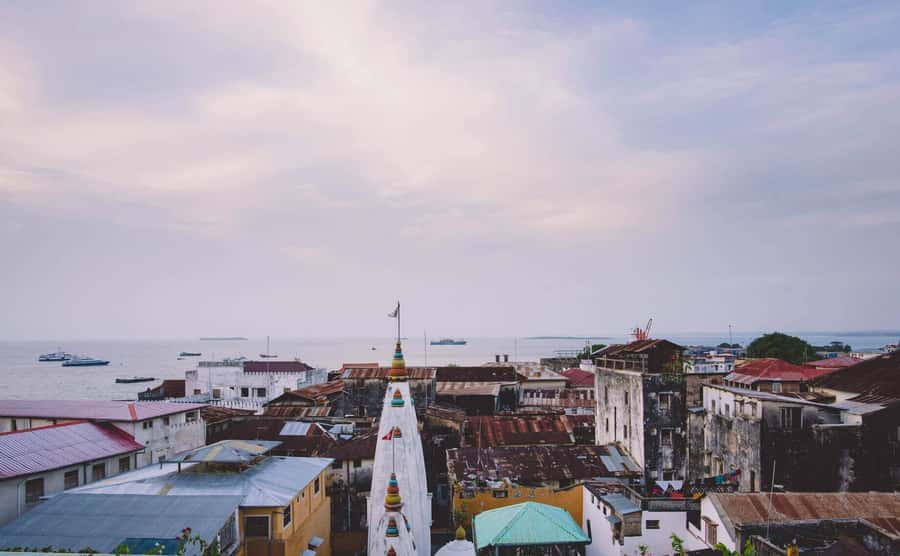
The tour also gives you a reality check about scale. You’ll cover an area roughly the size of 14 football fields, with around 18,000 people living in the neighborhoods you’re walking through. That mix—heritage site plus daily life—keeps the visit from feeling like a museum hallway.
And because Stone Town has been a UNESCO World Heritage Site since 2000, the stories aren’t just decorative. They help you understand why these buildings and street lines matter, and why the town carries both beauty and pain in the same frame.
Meeting at Old Fort and getting oriented quickly
You meet your guide in front of the Old Fort, near Forodhani Gardens. This is a smart starting point because it puts you near the historical core while giving you an easy reference point if you’re arriving from a hotel area.
If you choose pickup, it’s optional and your guide will come with a Happy Bikes shirt or hat/cap. Plan to wait in a hotel lobby about 10 minutes before your pickup time so you don’t end up playing phone-tag on narrow streets.
I like the way this tour typically gets you into “I know where I am now” mode. That matters in Stone Town, where the lanes can feel like they all lead somewhere interesting—but only a guide will help you connect the dots without wasting time.
Architecture lessons: the doors, the streets, and the 2000-building maze
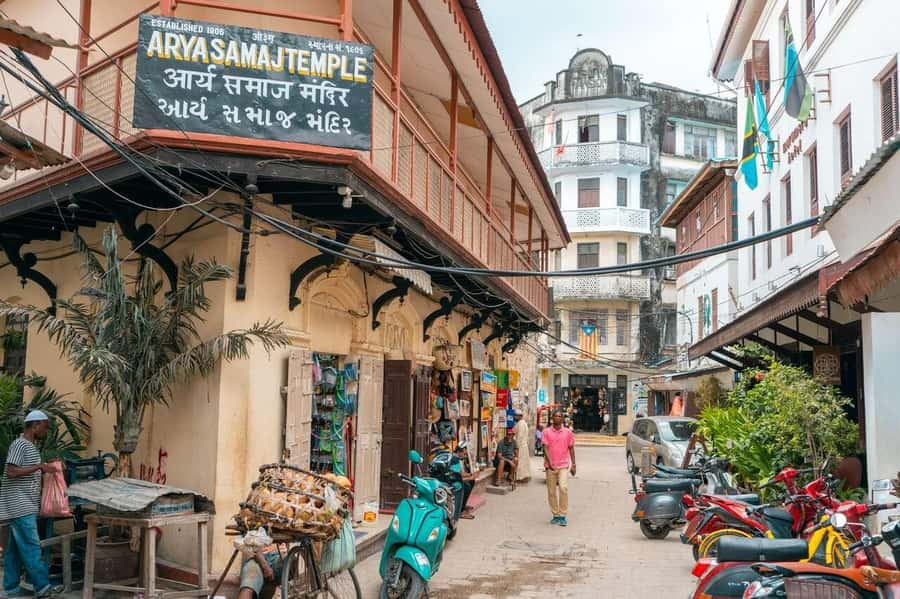
A highlight here is how you learn Stone Town by walking it. You’ll spend time noticing the architecture that makes the town famous: the dense mix of 2000+ limestone buildings crammed into a small footprint.
Your guide points out how cultures show up in real materials, not just vague labels. Expect references to African, Arab, Indian, Persian, and European influences—often visible in the style of building fronts, door features, and street geometry.
One of my favorite parts of Stone Town tours like this is the “stop, look, explain” rhythm. You’ll pause for a specific doorway or façade, then learn how it fits into the broader story. That turns photos into evidence, and it makes the town easier to remember long after the heat fades.
Practical note: there’s no getting around it—this is a walking tour. You’ll want comfortable shoes because you’ll be moving through tight lanes and stone surfaces for a couple of hours.
Markets and the coffee bazaar: seeing Zanzibar at everyday speed
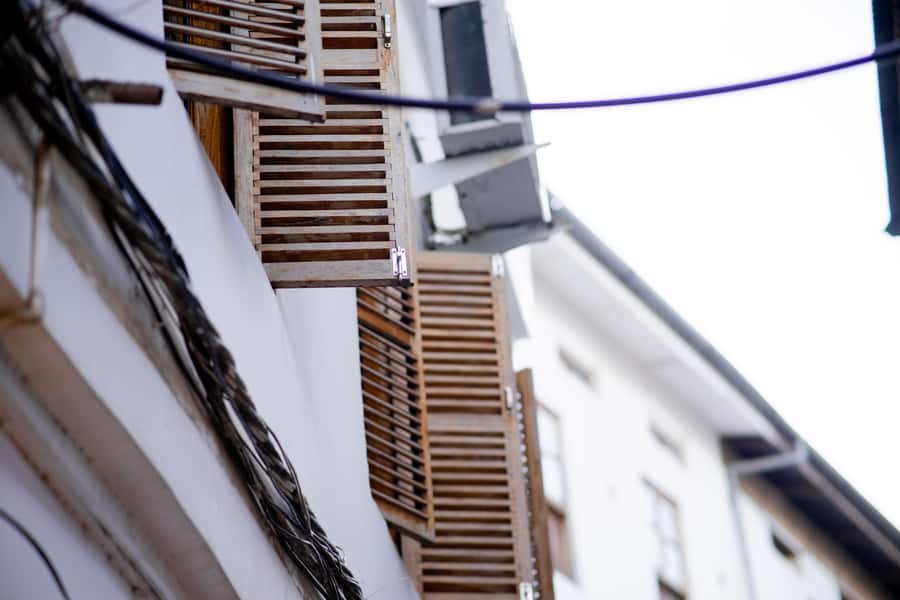
This tour puts time into market areas, not just monuments. You’ll visit the Darajani bazaar area, and you’ll also spend time in market zones tied to food and daily shopping.
The biggest value of doing this with a guide is context. Markets are loud, busy, and full of motion, so it’s easy to watch without learning. A good guide helps you understand what you’re seeing: why spices appear in certain areas, how vendors think about foot traffic, and how locals use these streets day to day.
You’ll also get a sense of Zanzibar’s taste culture. The tour description specifically calls out a coffee-filled bazaar, which is a fun way to experience the island’s hospitality without turning the day into a formal tasting schedule.
Bring cash if you think you’ll want to buy small items. The tour does include a city map, but it doesn’t cover personal purchases.
Former slave market context and the cathedral connection

Stone Town history has light and shadow in the same block. One of the route’s key stops is the area tied to the former slave market site. That’s an essential part of understanding the island, and it’s also where a guide’s storytelling quality really matters.
You’ll also encounter nearby landmarks that help you connect the dots. For example, the tour includes a stop at the Anglican Cathedral, described as connected to the former slave market context. Expect the guide to explain how the site’s role changed over time and why the place still matters.
This can be emotionally heavy. The practical trick is to go in mentally prepared and let your guide set the pace. It’s fine to ask questions, and it’s also fine to pause and take a breather when the story gets real.
And because this is a private experience (not a mass group shuffle), you can move at a comfortable speed and keep your attention where it counts.
House of Wonders and palace-era landmarks under renovation
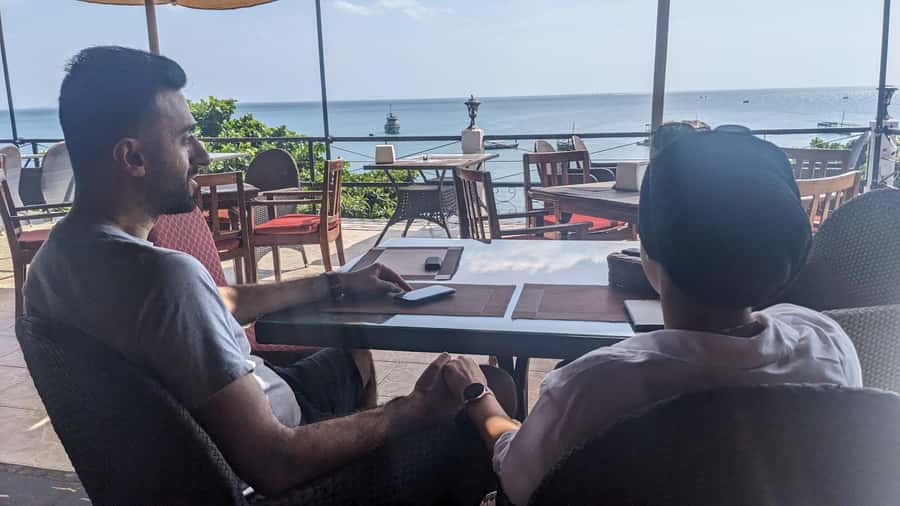
You’ll get time around the House of Wonders (also called the National Museum) and hear what it represents historically. The key detail here is that it’s under renovation, which means you may not get the full “museum inside” experience depending on access at the time you go.
Still, seeing the building as a centerpiece works. It’s one of those places where architecture carries the story, and a guide’s context helps you understand what you’re looking at even if you can’t roam every room.
The tour also references other palace-era stops, including the Palace museum area. Even when you can’t go deep into every interior space, the walking route ties the buildings together so they don’t become random highlights.
If you care about buildings as cultural documents, this portion is worth paying attention to. You’re learning how power, trade, and cultural exchange shaped what got built—and what got repurposed later.
Hamamni Baths street, Catholic Cathedral, Jaw’s Corner, and Secret Garden
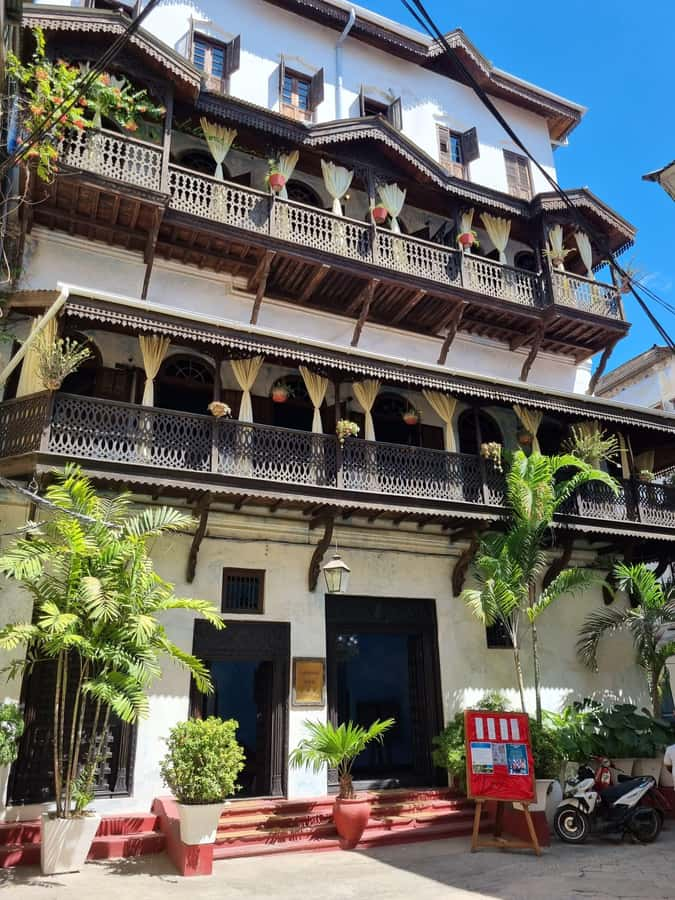
The tour covers more than the classic “postcard” stops. You’ll visit Hamamni Baths street, and you’ll also include the Catholic Cathedral plus areas described as Jaw’s Corner and the Secret Garden.
Here’s why I think these stops matter: Stone Town isn’t only about trade and grand architecture. It also shows everyday belief systems, communal spaces, and how the city arranged private and public life.
You’ll also learn how to notice the town’s texture. Some places are visually striking, but others feel meaningful because of their position in the streets and the way locals use them.
One practical thing: entry fees for some of these sites can be optional. The tour description flags possible extra costs for the Freddie Mercury museum, Anglican church, and Hamamni Baths. So if you want every interior, bring a little extra budget.
Freddie Mercury, Mercury’s Bar, and the Old Fort finish
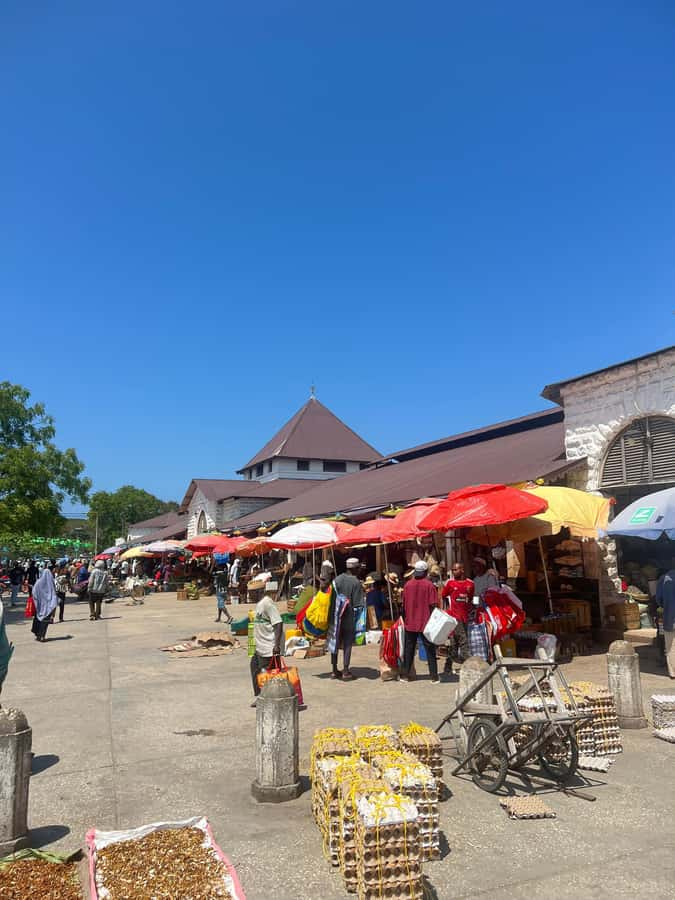
Freddie Mercury is part of modern Stone Town identity, and the tour includes the area around Freddie Mercury’s museum (entry may be optional). Even if you don’t go inside, the guide’s explanation helps you place the story against the older city texture around it.
You’ll also end up back near the Old Fort area, with that location acting like a “history anchor.” The Old Fort stop is useful because it gives you a final reference point before you head back, and it’s near the gardens where the mood can shift from tourist focus back to local evening life.
The tour’s drop-off options show how flexible this is for your hotel location. You might be dropped around well-known spots like Darajani Bazaar, Lukmaan Restaurant, Mercury’s Bar, or major hotels such as Park Hyatt Zanzibar or Tembo Palace Hotel (depending on your selected option and meeting details).
And if you’re a photo person, pay attention to how long you spend at each stop. One standout theme in the guide experience is that some guides give you real time for pictures instead of rushing you through the best angles.
Price, timing, and what’s actually good value for $30
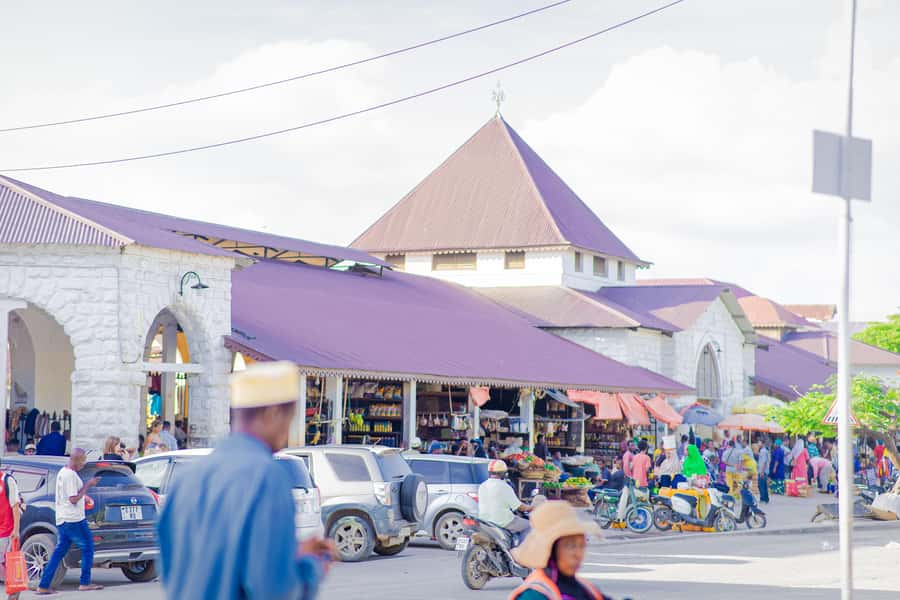
At $30 per person for a 2–4 hour private guided walking tour, the value comes from what’s included and what you avoid.
Included is a private local guide, pickup and drop-off (if you select it), water (500ml x2), a map of the city, plus taxes/surcharges. That’s not just “a tour guide” cost. It’s a small bundle of practical comfort and navigation help.
What you might pay extra for: entry fees to the Freddie Mercury museum, Anglican church, and Hamamni Baths are listed as optional. Food and drinks are also optional, so you’ll want to budget if you plan to snack during market time.
Timing matters too. For the evening option focused on sunset views, the guidance is to book for around 4:30 pm for the best light and the possible night market highlight. If you’re more heat-tolerant, morning can feel easier for walking; if you’re chasing sunsets, the evening format is the move.
One more tip: this tour runs rain or shine, so carry a small umbrella on shower days. Stone Town streets can get slick, and you’ll stay happier if you’re not battling weather with bad shoes and bad timing.
Who should book this private Stone Town walking tour
This tour is a strong fit if you want three things at once: architecture, culture, and history with real context, all delivered at walking speed.
It also works well as an early-day (or first-day) plan in Stone Town. Guides like Abdullah, Cosmo, and Issa show up repeatedly in the guide experience here, and the common thread is tailoring. If you tell your guide you want more about doors and building styles, you’ll likely get that. If you want more attention on the market streets or the former slave market story, you can steer.
Two groups I’d especially recommend it for:
- First-timers who want orientation fast without a rigid bus tour
- Anyone who dislikes “checklist tourism” and prefers stories tied to places you can actually stand inside or in front of
It’s marked as not suitable for pregnant women, and it also doesn’t work well with luggage or large bags. So pack light.
Should you book Stone Town’s Hidden History private guided walking tour?
If you want a private guide who can connect Stone Town’s UNESCO streets to the layers of African, Arab, Indian, and Persian influence, this is an easy yes. The price is fair for the time on foot, the included water and map help, and the standout strength is the way guides tailor the route while keeping the story coherent.
Book it if you care about seeing the town like a local—through doorways, market rhythm, and meaningful historical context. Consider a different plan only if you hate walking in heat or you need a tour with zero emotional weight around the former slave market era.
FAQ
How long is this Stone Town private walking tour?
It runs for 2 to 4 hours, depending on the option you choose and your pace.
How much does the tour cost?
The price is $30 per person.
Where do I meet the guide?
Please meet your guide in front of the Old Fort, near Forodhani Gardens.
Is pickup and drop-off included?
Pickup is optional, but pick up and drop off are listed as included in the activity details. Your exact pickup point depends on the selected option.
What’s included in the price?
A private local guide, pickup and drop-off (when selected), water (500ml x2), a map of the city, and taxes/surcharges are included.
Are entrance fees included for Freddie Mercury’s museum or Hamamni Baths?
Entry fees to Freddie Mercury’s museum, the Anglican church, and Hammani Baths are not included and are optional.
What languages are available for the live guide?
The tour offers guides in English, French, German, Italian, Spanish, and Swahili.
Does the tour run in bad weather?
Yes. The tour takes place rain or shine.
What should I bring, and what should I wear?
Bring a camera, sunglasses, comfortable shoes, and cash. Dress appropriately and respectfully for local culture.
Is this tour suitable for pregnant women?
No. It’s listed as not suitable for pregnant women.