REVIEW · NUNGWI
Nungwi Village Tour & Swim with Turtles at Mnarani Aquarium
Book on GetYourGuide →Operated by Zanturtle Explore Tours and Safaris · Bookable on GetYourGuide
Turtles and dhows in one short morning. This Nungwi Village Tour mixes an early look at the Nungwi fish market with stops that explain how everyday life works on Zanzibar’s north coast, from reef-edge fishing to boat building. The Mnarani Natural Aquarium is the big emotional payoff: it’s a natural coral formation shaped by ocean erosion, so it feels less like a tank and more like a living coast.
I really like the way your guide ties the sights together with real village context. You’ll also get hands-on cultural moments, and in at least one case the tour included a stop at a local kindergarten, where kids lit up over something as small as a Chupa Chup. One possible drawback: the swimming with sea turtles has an extra $10 entrance fee in cash for the turtle experience, so factor that into your budget and bring Tanzanian shillings or US dollars.
In This Review
- Key things you should know before you go
- From Your Hotel Pickup to Nungwi: Timing and What Matters
- Nungwi Fish Market: Catch of the Day and Reef-Edge Fishing
- The Dhow Boat Yard: Where Wood, Joints, and Launch Day Take Center Stage
- Mnarani Natural Aquarium: Coral Bedrock and Tides You Can Feel
- Swimming With Sea Turtles: The Extra Fee and How to Prepare
- Relaxing Beach Time and Natural Sea Views
- The Cultural Part That Makes the Tour Feel Human
- Price and Value: What $54 Buys You in 2.5 Hours
- Who This Tour Fits Best (and Who Should Rethink It)
- Quick Booking-Friendly Tips (So Your Day Stays Smooth)
- Should You Book This Nungwi Tour?
Key things you should know before you go

- Fish market early = best variety: You’re timed to catch the market when activity is highest.
- Dhow building is practical, not just scenic: You learn what goes into construction and how the boats get launched.
- The aquarium changes with the tide: Water depth rises and falls with conditions, which affects what you’ll see.
- Expect reef life details: You might see fishermen collecting small sea creatures like squid, octopus, and puffer fish.
- Sea turtle time may cost extra: The turtle activity needs a cash entrance fee.
- Your guide can make it personal: A guide like Gandhi (mentioned in one booking) can add strong local storytelling.
From Your Hotel Pickup to Nungwi: Timing and What Matters

This is a 2.5-hour private group tour with hotel pickup and drop-off. That short window matters. You’re not trying to cover Zanzibar in a day—you’re getting focused access to Nungwi’s working side: fishing, boat yard work, and coastal nature.
Your day starts with a representative meeting you at your hotel reception, then you head out with a live tour guide. The tour runs in multiple languages, including Arabic, English, French, Italian, German, Portuguese, Polish, Russian, and Spanish, so it’s easier to get explanations that actually land. If you end up with a German-speaking guide, one booking noted the guide handled missing vocabulary well by rephrasing and sometimes switching to English.
What I suggest you plan for: sun and walking. Wear comfortable shoes, bring sunscreen and a hat, and pack a towel if you’re swimming. This is one of those tours where “just comfortable sandals” can turn into “why did I not wear proper shoes” once you’re standing around during market and boat-yard stops.
A few more Nungwi tours and experiences worth a look

Nungwi Fish Market: Catch of the Day and Reef-Edge Fishing

The fish market is timed early, when it’s in full swing. That’s when you’ll see more than just leftovers—depending on the catch the night before, you might spot bigger names like tuna, kingfish, or dorado, along with other large fish for sale.
But the real value isn’t only the fish. It’s watching the fishermen at work and understanding the reef connection. You may see fishermen wade out to the edge of the coral reef to catch smaller sea creatures, including squid, octopus, puffer fish, and even an occasional ray. Even if you don’t know Zanzibar’s fishing rhythms yet, your guide can help you connect what you’re seeing on land to what’s happening underwater.
Practical note: the market experience is close-up and photo-heavy, but you should respect privacy. It’s also smart to ask before taking photos of locals, especially in tighter areas where people are working or focused.
If you like authentic, “real place, real routine” moments, this stop is the one that sets the tone.
The Dhow Boat Yard: Where Wood, Joints, and Launch Day Take Center Stage
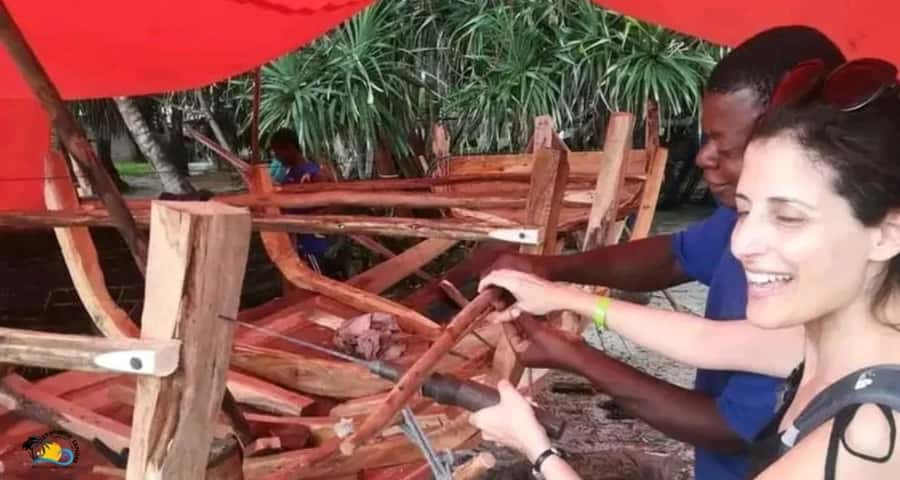
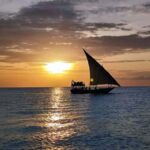
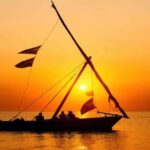
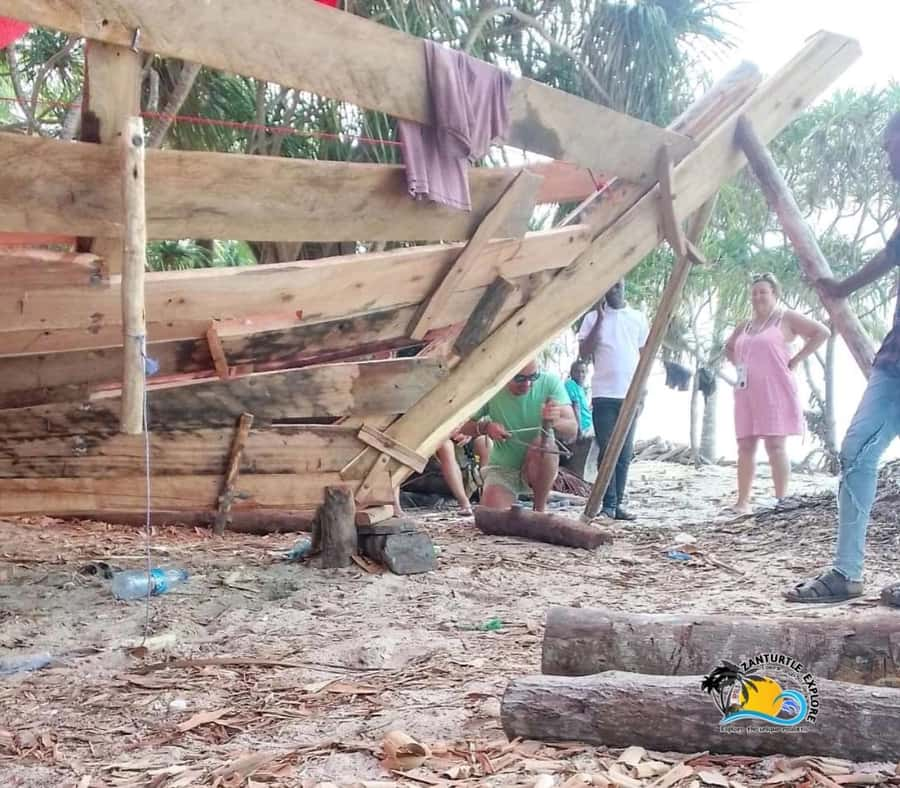
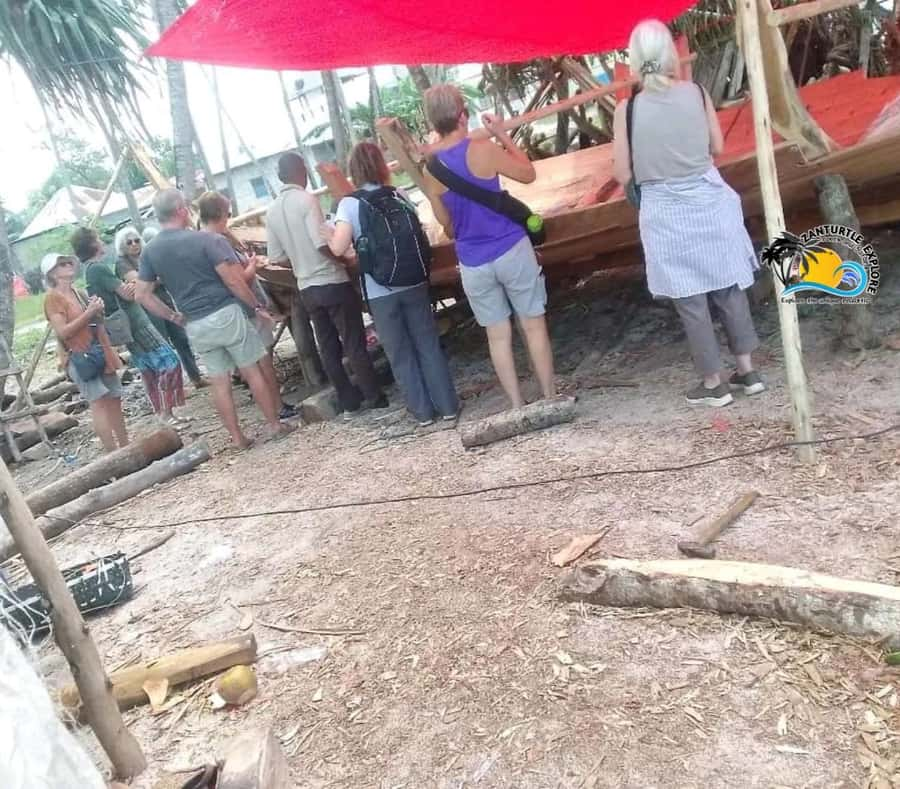
Next comes the Nungwi boat yard—specifically, a dhow building demonstration. The dhows are an iconic part of Zanzibar’s maritime identity, but the tour doesn’t treat them like museum pieces. You learn how the boats are built, from sourcing wood to the joints used, and you get an explanation of how the craft gets launched.
I like this stop because it answers a question most sightseeing skips: how does it actually work? Seeing a dhow under construction (or at least hearing how the process goes) gives context to what you might notice later—like the sails you see passing by on the water.
This is also where your guide’s local storytelling can really shine. One review highlighted a guide who brought visitors into the orbit of local marine carpenters and gave strong context on how tradition and modern life meet in the same community.
Tip for you: watch the details your guide points out—joints and the sequence of work—because that’s where the explanation becomes memorable.
Mnarani Natural Aquarium: Coral Bedrock and Tides You Can Feel

Then you move to Mnarani Natural Aquarium, and this is the “wait, this is natural?” moment. The aquarium isn’t built from scratch. It’s a natural formation carved from coral bedrock by millions of waves crashing against the shore over time.
Here’s what makes it special for wildlife viewing: the water depth rises and falls with the tides. That means the conditions can change what you’ll see from one moment to the next. If you’re expecting the same view at every visit, plan to be flexible instead. The ocean controls the schedule more than any wall or floor plan would.
The tour includes access to Mnarani, but the entry fee for the aquarium (and especially the turtle experience) is not included in the base tour price. So you’ll likely pay on-site for entry tied to the swimming with sea turtles option. Bring cash ahead of time.
This stop is also a good fit if you like nature that feels coastal rather than “contained.” It’s still an organized visit, but the setting reads as part of the island’s shoreline, not a theme park.
Swimming With Sea Turtles: The Extra Fee and How to Prepare
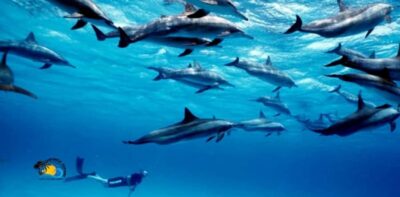
The tour offers the chance to swim with turtles at Mnarani Natural Aquarium. That’s the headline for a lot of people—and it’s also where you need to be practical.
Before you go, make sure you bring $10 (TZS 25,000) in cash for the entrance fee associated with the Swimming with Sea Turtle experience. If you forget, the tour can still be worthwhile, but you may miss the turtle portion specifically.
What to bring for turtle time:
- Swimwear (advised if you plan to swim)
- A towel
- Comfortable footwear for walking between stops
- Sunscreen and a hat for the stretches in the sun
- Your camera, if allowed by the area rules and you respect privacy
Also keep your expectations grounded. You’re swimming in open, natural conditions where tides and sea movement matter. If you’re prone to seasickness, this isn’t listed as suitable—so it’s smart to consider your comfort level with sea conditions before choosing the turtle swim.
One more rule to keep in mind: intoxication isn’t allowed, and littering isn’t allowed. This is meant to be an orderly, respectful environment for wildlife and locals nearby.



Relaxing Beach Time and Natural Sea Views
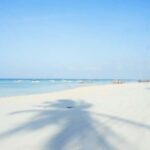
After the main nature and culture stops, you’ll have time to relax on the sandy beaches or swim in the natural sea. This is where the tour shifts from “information” to “breathe.”
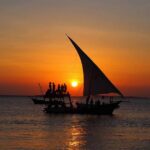
Even if the water part isn’t for you, the beach time is valuable because it gives you a break from walking and sun exposure. You can also just watch what’s happening along the shoreline—boats, fishermen activity in the distance, and the general coastal rhythm you now understand better thanks to the earlier stops.
If you want to swim, do it with your plan in mind: bring what you need (towel, swimwear, and footwear if required). And remember this is coastal water, so treat it like nature, not a controlled pool.
The Cultural Part That Makes the Tour Feel Human

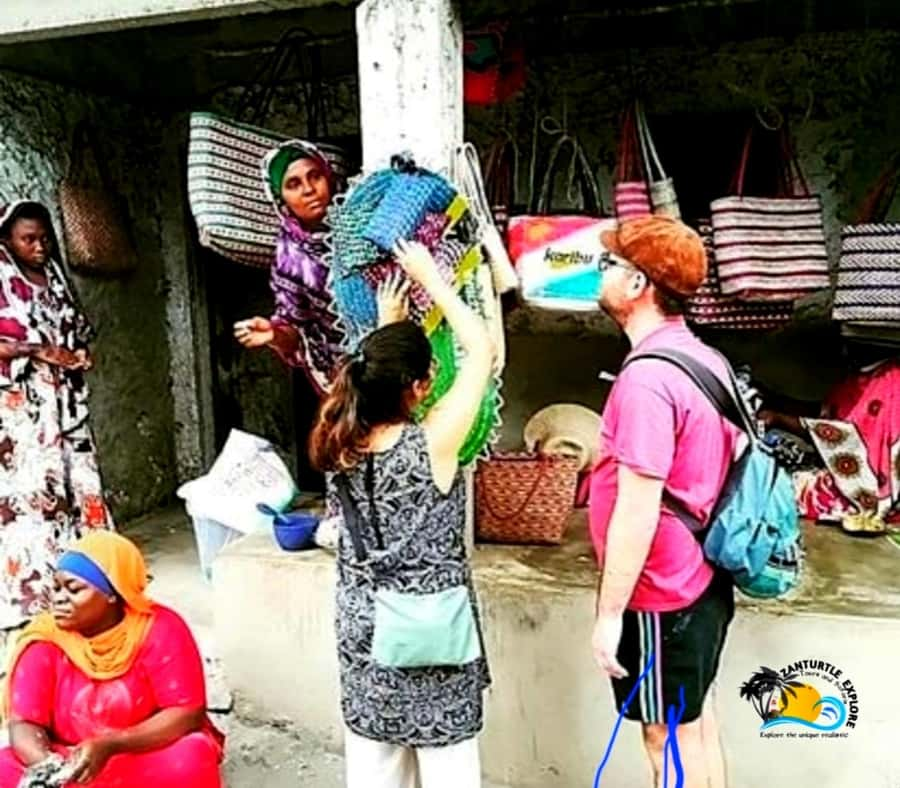
The tour isn’t just about places. It’s about people and livelihoods. You learn the local way of life and the rhythms of a community shaped by fishing and the sea. The stops are designed so you’re not only looking at scenery—you’re meeting workers and seeing how tasks connect across the village.
In the strongest bookings, the guide also brought visitors to a school setting. One standout highlight described a kindergarten visit where kids’ eyes lit up over something as simple as a Chupa Chup. Another account emphasized meeting teachers, marine carpenters, fishermen, and mothers of family—basically, the full working community, not just one profession.
You should go into this part of the tour with respect. If you want photos, ask first. If someone is working, give them space and avoid taking photos when it would distract them. This is how you keep the experience positive for you and for the locals who share it.
If you like tours that feel like conversation instead of sightseeing checklists, you’ll appreciate the cultural angle here.
Price and Value: What $54 Buys You in 2.5 Hours
At $54 per person for 2.5 hours, this tour sits in a value zone for Zanzibar day activities. What you’re paying for isn’t only the aquarium visit. The price covers a guided village tour experience plus hotel pickup and drop-off, and it includes:
- Guided Nungwi Village Tour
- Access to the fish market
- Visit to Mnarani Natural Aquarium
- Dhow building demonstration
- Opportunity to see local fishermen at work
- Welcoming bottles of water
What’s not included matters. The entry fee for Mnarani and the cash needed for the sea turtle swimming experience are extra. Personal expenses are also extra.
So the real cost for you might become closer to $54 + the turtle entry fee if you choose that option. Still, it can be fair value because you get multiple experiences bundled: market, boat yard, coral natural aquarium, and guided cultural context—without having to coordinate everything yourself.
Who This Tour Fits Best (and Who Should Rethink It)
This tour is a great match if you want a short, focused experience that combines working village life and coastal nature. It’s especially good for:
- People who enjoy watching locals work (fish market and fishermen moments)
- Anyone curious about dhows and how they’re built
- Wildlife-friendly visitors who like natural settings more than enclosed tanks
- Travelers who want culture explained in plain language by a live guide
It’s not the best fit for everyone. It’s listed as not suitable for people prone to seasickness, and there’s a mixed note around mobility. The tour says wheelchair accessible, but it’s also marked not suitable for people with mobility impairments—so if that affects you, you should confirm specifics directly with the operator before booking.
Also, if you’re looking for a “no walking, all sitting” tour, this probably won’t feel right. The market and boat yard involve moving around outdoors.
Quick Booking-Friendly Tips (So Your Day Stays Smooth)
- Bring cash for the turtle-related entrance fee: $10 or TZS 25,000.
- Wear comfortable shoes and expect sun.
- Bring a towel if you want to swim.
- Bring a hat and sunscreen, because the early stops can get hot.
- Respect privacy: ask before taking photos.
- Avoid intoxication and don’t litter.
Also, you’ll get a live guide in a range of languages. If language matters to you, pick the language you want and stick with it so the explanations stay clear.
Should You Book This Nungwi Tour?
Book it if you want a real Nungwi village snapshot in a short amount of time—fish market energy, dhow boat-yard know-how, and a coral-formed aquarium setting where the tides actually matter. It’s also a good choice if you care about guided context, because this tour is built around explanations, not just entrances and exits.
Skip or rethink it if you don’t want additional on-site cash fees for turtle swimming, or if sea conditions make you uncomfortable. And if mobility is a concern, confirm the practical details first.
If your goal is a balanced mix of daily life and natural coastal wildlife—without devoting a whole day—this one is an easy yes.