REVIEW · ZANZIBAR
Fruits & Spices Adventure
Book on Viator →Operated by Busungu Tours and Safaris · Bookable on Viator
Spices here are more than souvenirs. This Zanzibar fruits and spices tour mixes a gentle walk with real hands-on tasting and farm talk. You’ll move through forest and fields and learn how island soil shapes what grows, how it’s cooked, and why it matters.
What I really liked: the farm lunch is built into the experience, and it’s described as copious and flavorful, not a sad add-on. I also loved how the guide experience comes through—Mr Abeed is known for being engaging and explaining spices using English, Afrikaans, and Hindi terms, which makes the whole thing easier to follow.
One thing to consider: communication can be hit-or-miss. One guest noted they never received a pickup time, so if pickup details are important to you, confirm them clearly before the day-of.
In This Review
- Key Points to Know Before You Go
- Zanzibar’s Spice Tour Reality Check: Smell, Taste, Learn
- Old Fort Start Point and the Timing That Matters
- Jambo Spice Farm: Where the Tasting Becomes the Main Event
- The Walk Through Fields and Forest: How Zanzibar Food Grows
- Medical Uses of Plants: Learn the Stories, Keep It in Context
- Mr Abeed’s Multilingual Style: Why the Guide Matters
- Lunch in Zanzibar: When Food Is the Point, Not the Pause
- Price and Value: $20.52 That Actually Adds Up
- Who This Tour Suits Best (And Who Might Not)
- Quick Practical Tips Before You Book
- Should You Book Fruits & Spices Adventure?
- FAQ
- What is included in the Fruits & Spices Adventure tour?
- How long does the tour last?
- Where do we meet for the tour?
- What time does the tour start?
- Is this tour private?
- Do I need a mobile ticket?
- Are tips included?
- How does cancellation work?
Key Points to Know Before You Go
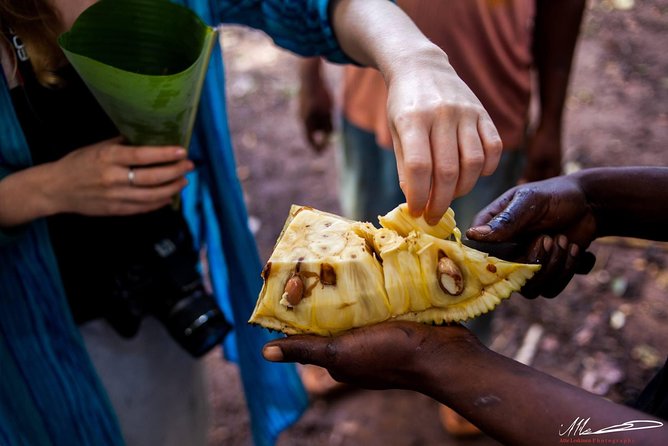
- Jambo Spice Farm focus: you spend the heart of the tour tasting fruits and sampling spices in a working farm setting.
- Lunch is part of the deal: you get a flavored meal after the walk, which turns a quick look into a full experience.
- You’ll learn the plant stories: expect explanations of how spices grow and get used in cooking, plus medical uses of some plants.
- A guide who connects the dots: multilingual explanations (including English, Afrikaans, and Hindi terms) help spices feel practical, not just fragrant.
- Plan for a simple day schedule: start at 9:30 am from Old Fort, and you’re back around the meeting point.
Zanzibar’s Spice Tour Reality Check: Smell, Taste, Learn
Zanzibar has a reputation for spice. But on this tour, spice stops being a vague idea and becomes something you can smell, taste, and compare. You’re not just standing in one spot for photos. You’re walking paths through the farm and surrounding greenery, with explanations tied to what you’re seeing.
The tour also makes a smart move: it doesn’t treat spices like museum pieces. It frames them alongside fruit growth, cooking, and even practical plant uses. That’s why the experience works even if you’re not the type who collects botanical trivia.
And yes, there’s food. Not just a bite. A real lunch appears after the tasting portion, which keeps the day feeling complete instead of rushed.
You can also read our reviews of more tours and experiences in Zanzibar.



Old Fort Start Point and the Timing That Matters
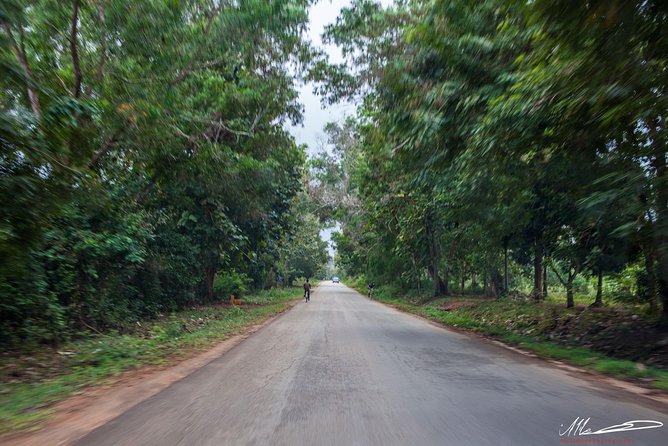
You’ll begin at Old Fort on Mizingani Rd with a start time of 9:30 am. The activity ends back at the meeting point, so you’re not dealing with a complicated return plan.
The duration is listed as 3 to 5 hours (approx.). In practice, this kind of farm walk usually stretches or tightens depending on your pace, how many tasting breaks happen, and how many questions your guide has time for. If you’re planning the rest of your day, treat it as a half-day commitment with some buffer.
You’ll be traveling in an air-conditioned vehicle. Zanzibar heat can be no joke, so this is a useful comfort detail, especially if you’re doing other tours later.
One small, practical caution: if your plans require a specific pickup window, it’s worth confirming it ahead of time. At least one past guest reported not receiving pickup time info. Meeting at Old Fort is listed, but pickup arrangements can vary by situation—so double-check what applies to your exact booking.
Jambo Spice Farm: Where the Tasting Becomes the Main Event
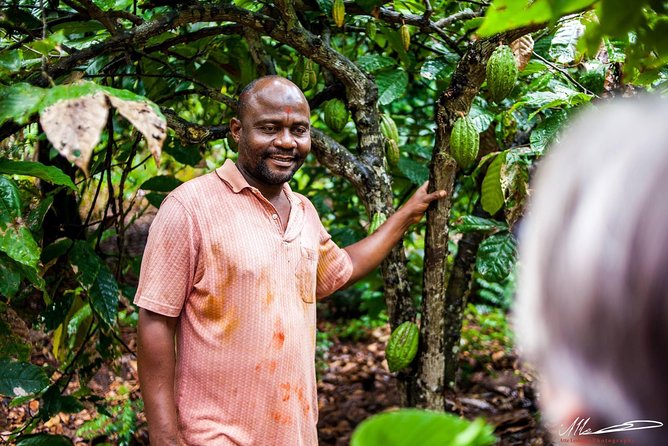
The centerpiece is Jambo Spice Farm. This is where you get the farm atmosphere and the “touch-and-smell” side of Zanzibar. Instead of learning spices from a label, you’re experiencing them as growing plants and processed ingredients.
Here’s what makes the farm stop special:
You’ll have time to savor and explore a variety of spices and fruits. That wording matters. It suggests more than one or two quick samples, and it points toward a real tasting flow where you can compare flavors and aromas.
There’s also a delightful atmosphere that’s part of why this feels different from other tours. You’re in green surroundings, walking paths, and getting explanations tied to daily agricultural life.
Then comes lunch. It’s served as part of the tour and described as deliciously flavored. One guest called it the best and most flavorful meal they had in Zanzibar, and another said it was copious and delicious. The takeaway for you: plan to eat well here, and don’t schedule something heavy right before.
Also, you may encounter additional drinks like a coconut drink that was specifically mentioned by a guest. Even if your exact menu varies, the theme is clear: you’re meant to taste your way through the farm story.
The Walk Through Fields and Forest: How Zanzibar Food Grows
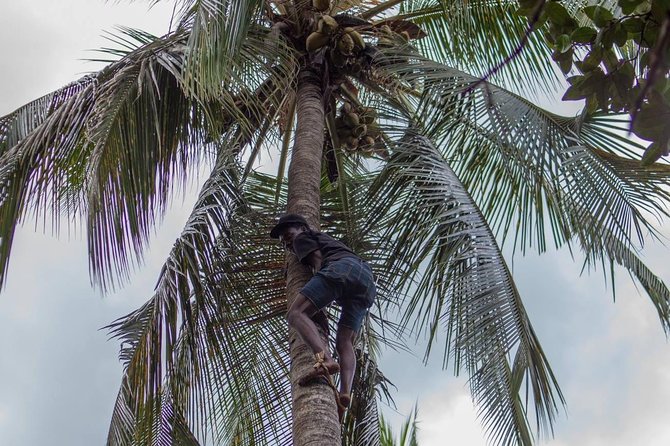
After the initial tasting start, the tour moves you along paths through the farm’s greener areas. You’ll be hearing about Zanzibar agriculture and beauty while you walk. The point is to connect the dots between:
1) Soil and climate (what Zanzibar grows well),
2) How crops develop (how plants are cultivated),
3) How those crops end up cooked (how the flavors get used).
This is where I think the tour earns its place. Many “spice tours” are basically a fragrance stop with a souvenir shop at the end. This one is designed around learning how fruits and spices are grown and cooked, with the walking portion doing the heavy lifting of turning it into a real experience.
Expect the tone to be practical. The tour description emphasizes that Zanzibar’s cooking is about discovering. That lines up with the reviews describing a guide who explains daily farm life and the role fruit and spices play in supporting people.
If you like food travel that’s more than eating, you’ll get a lot out of this. You’ll also get more from the walk if you ask simple questions like how something is harvested or why one spice flavor is used more than another.
Medical Uses of Plants: Learn the Stories, Keep It in Context
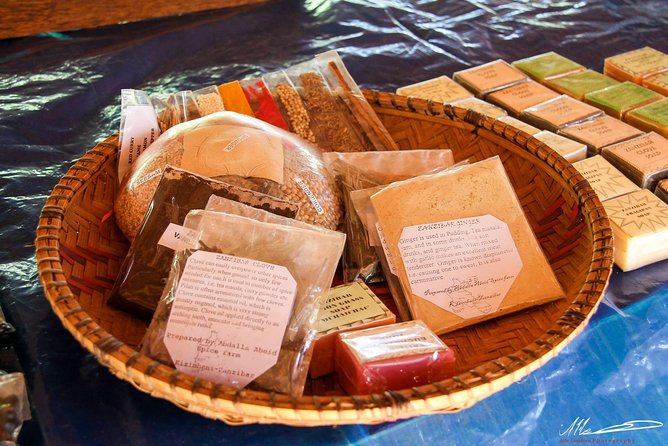
One of the more interesting parts of the tour is the chance to learn about medical uses of some plants and trees. That adds variety and makes the walking explanations feel wider than “culinary only.”
Still, keep your mindset grounded. The tour is sharing local knowledge and traditional uses, not issuing health treatment advice. If you’re curious, ask questions, listen carefully, and treat it like cultural learning. If you have medical needs, rely on your usual healthcare approach.
That said, this plant-uses section is exactly the kind of detail that can make spice tours feel richer and more human. It connects plants to real life across cooking, wellbeing, and everyday survival.






Mr Abeed’s Multilingual Style: Why the Guide Matters
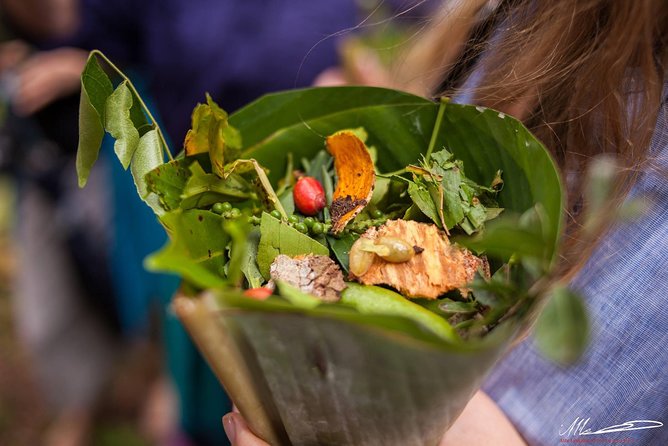
A spice tour lives or dies on the guide. You can see the plants without a guide. What you can’t easily get is the meaning behind them.
Mr Abeed gets repeatedly highlighted for being knowledgeable in multiple languages and for using terms from English, Afrikaans, and Hindi to explain spices. That matters for you because it reduces confusion. If the guide can translate concepts across language, you follow faster and you remember more.
He’s also described as charismatic and entertaining. Translation: you’ll probably feel less like you’re being lectured and more like you’re chatting while walking.
This is a private tour, meaning only your group participates. That’s another advantage. You can ask follow-up questions without feeling rushed or swallowed by a big crowd’s energy.
If you’re traveling with friends and you want a guide who can keep things lively while staying informative, this is the kind of energy that can make the 3 to 5 hours feel like a fun morning rather than a long tour schedule.
Lunch in Zanzibar: When Food Is the Point, Not the Pause
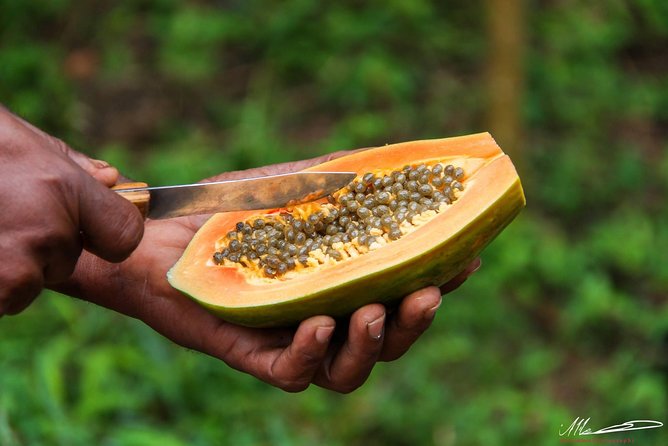
The tour includes lunch, and the lunch is framed as a major part of the experience. Local dishes are made with fresh flavored spices after your tour. That means the meal isn’t just “served during the tour.” It’s tied to the tasting and learning you’ve just done.
Based on the reviews you provided, lunch is a standout. One guest said it was copious and delicious. Another called it the best meal they had in Zanzibar. That’s a big deal when you’re paying a low price for a half-day tour.
Here’s how to use this info practically:
- If you’re the kind of eater who likes trying spice flavors in different forms, this lunch will feel like the payoff.
- If you hate surprises, don’t worry: the tour description makes clear that the food uses spices you’ve explored. It shouldn’t be random.
- If you’re planning to shop afterward, remember you might feel pleasantly full. Save your best energy for the afternoon.
And because the tour includes lunch, you can plan your budget more easily than with tours where meals are “optional and extra.”
Price and Value: $20.52 That Actually Adds Up
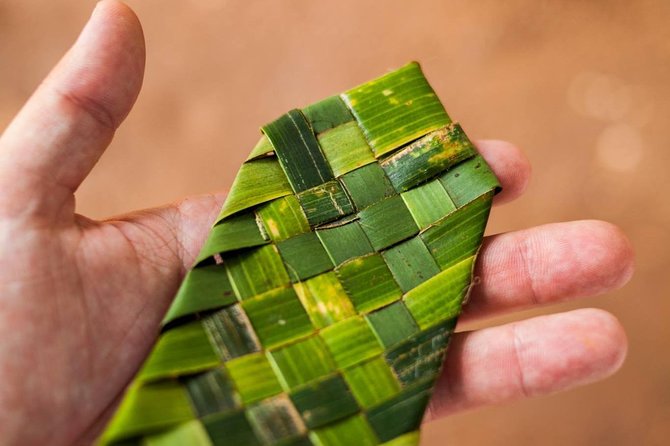
At $20.52 per person, this is one of those Zanzibar experiences that can feel like a bargain if you’re comparing it to tours with similar time and food.
What makes the value feel real is what’s included:
- Lunch
- Air-conditioned vehicle
- All fees and taxes
You’re not paying extra for the basics, which helps when you’re traveling and trying to control costs.
What isn’t included:
- Tips
- Alcoholic drinks
That matters for budgeting. If you plan to drink alcohol, set aside extra money. If you don’t drink, you can treat the tour like a more predictable fixed cost.
Also, don’t overlook the private aspect. Private tours can cost more, but this one is priced low while still being structured around tasting, walking, and lunch.
Is it a luxury spa experience? No. It’s an educational farm-based outing with food at the center. For the price, you’re getting a lot of practical content plus a full meal.
Who This Tour Suits Best (And Who Might Not)
This tour is best for you if you want Zanzibar food culture to make sense. You’ll probably enjoy it if you like:
- walking and learning in a natural setting,
- tasting fruits and spices without being rushed,
- a guide who explains in plain language with multilingual support,
- a meal that’s connected to what you learned.
It’s also a good fit if you’re traveling as a small group and want a private experience rather than squeezing into a big tour crowd.
Who might not love it? If you only want beach time, or you’re not into farm walks at all, this may feel more educational than relaxing. Also, if you strongly dislike uncertainty about pickup timing, check details ahead of time since one past guest flagged communication issues.
Most travelers can participate, so the tour likely isn’t too extreme. But you should still expect walking during the farm portion and plan comfortable footwear.
Quick Practical Tips Before You Book
These are the small details that help you enjoy the day more:
- Wear comfortable shoes for farm paths.
- Bring light sun protection. Zanzibar mornings can start bright fast.
- Come hungry. Lunch is a major part of the experience.
- Bring basic curiosity. Ask your guide how something is used in cooking or why people grow it.
And because the tour uses a mobile ticket, have your phone ready and ensure you have the booking confirmation available for the start.
Should You Book Fruits & Spices Adventure?
I’d book this if you want a real Zanzibar food experience for a fair price. You’re getting a farm setting at Jambo Spice Farm, tastings of spices and fruits, a lunch that’s repeatedly described as generous and delicious, and a guide who can explain spice meanings across English, Afrikaans, and Hindi with a friendly style.
If you’re booking with strict timing expectations, do one simple thing: confirm pickup timing clearly ahead of time. Then you can relax and enjoy the walk, the smells, and that lunch payoff.
Overall, this is the kind of tour that gives you more than flavors. It gives you context.
FAQ
What is included in the Fruits & Spices Adventure tour?
Lunch is included, along with an air-conditioned vehicle and all fees and taxes. Tips and alcoholic drinks are not included.
How long does the tour last?
The tour is listed as about 3 to 5 hours.
Where do we meet for the tour?
The meeting point is Old Fort, Mizingani Rd, Zanzibar, Tanzania.
What time does the tour start?
The start time is 9:30 am.
Is this tour private?
Yes. It’s a private tour/activity, so only your group participates.
Do I need a mobile ticket?
Yes, the tour uses a mobile ticket.
Are tips included?
No, tips are not included.
How does cancellation work?
You can cancel for a full refund if you cancel up to 24 hours in advance of the experience’s start time.
If you want, tell me your travel dates and whether you’re starting from a hotel near Old Fort. I can suggest how to plan the rest of your day around a 3–5 hour spice farm outing.